Explore a received list of 51 places associated with the Goddess and the story of Sati. Names, numbers and identifications vary between traditions; this directory is an introduction, not a ruling on every local account.
Use the location notes to begin your research. Confirm the exact temple and current access through its official authority before travelling. Image captions distinguish shrine photographs, regional views and devotional artwork. A regional view or artwork does not establish the location of a disputed Peetha.
How to read the directory and plan a visit
The list records devotional names and associations; these are not archaeological conclusions. Entries marked as research notes explain what remains uncertain. Image credits identify the depicted place or artwork, and regional pictures are not evidence for an exact shrine location.
Before travelling, confirm the temple's local name, address, opening arrangements and photography rules with its authority. Check current transport and any registration requirements separately. Ask before photographing people and clarify offering or service charges before agreeing to them.
For a disputed identification, compare the village, deity name and source together. Send corrections with a page link and a reliable reference through our Contact page.
51 directory entries
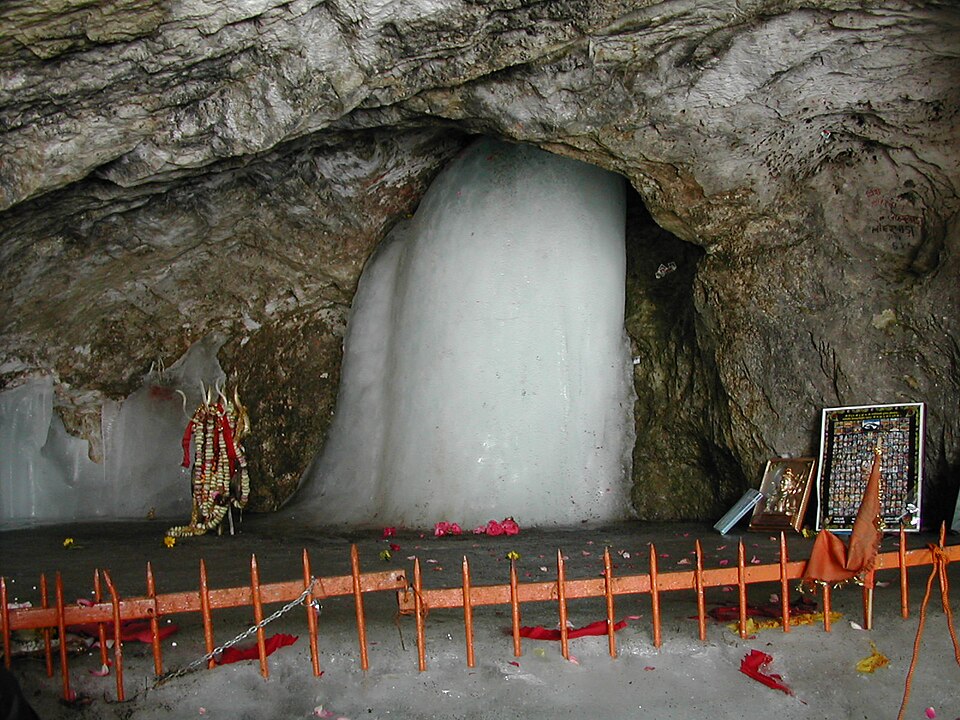
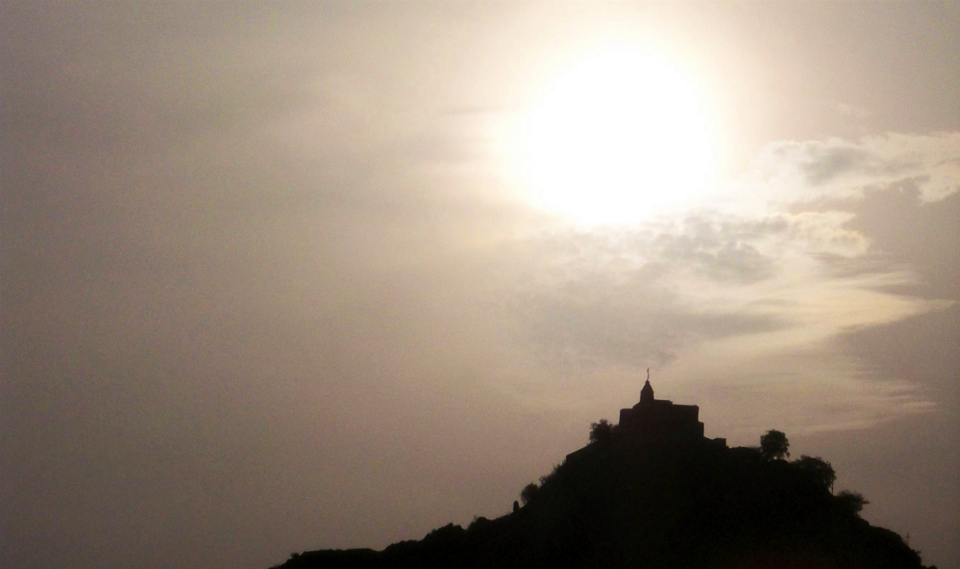
Lord Amarnath — Gktambe at English Wikipedia. Source · Public domain. Display may be cropped.
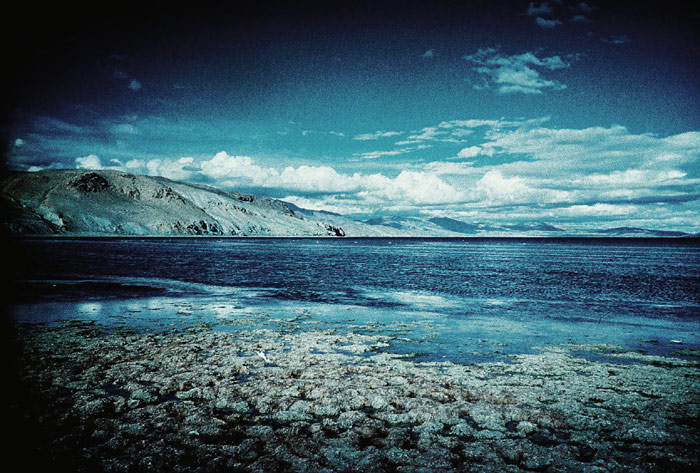
Lake Manasarovar: a landscape associated with the received tradition, not a photograph of a temple sanctum — Frederic Vanwalleghem at English Wikipedia. Source · Public domain. Display may be cropped.
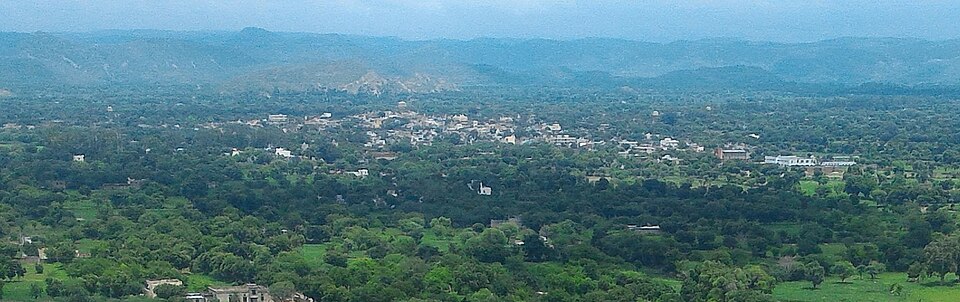
Regional view: Bairat (Viratnagar), Rajasthan. This panorama shows the town associated with the directory entry, not an identified Ambika temple. — Raonaresh. Source · CC BY-SA 4.0. Display may be cropped.
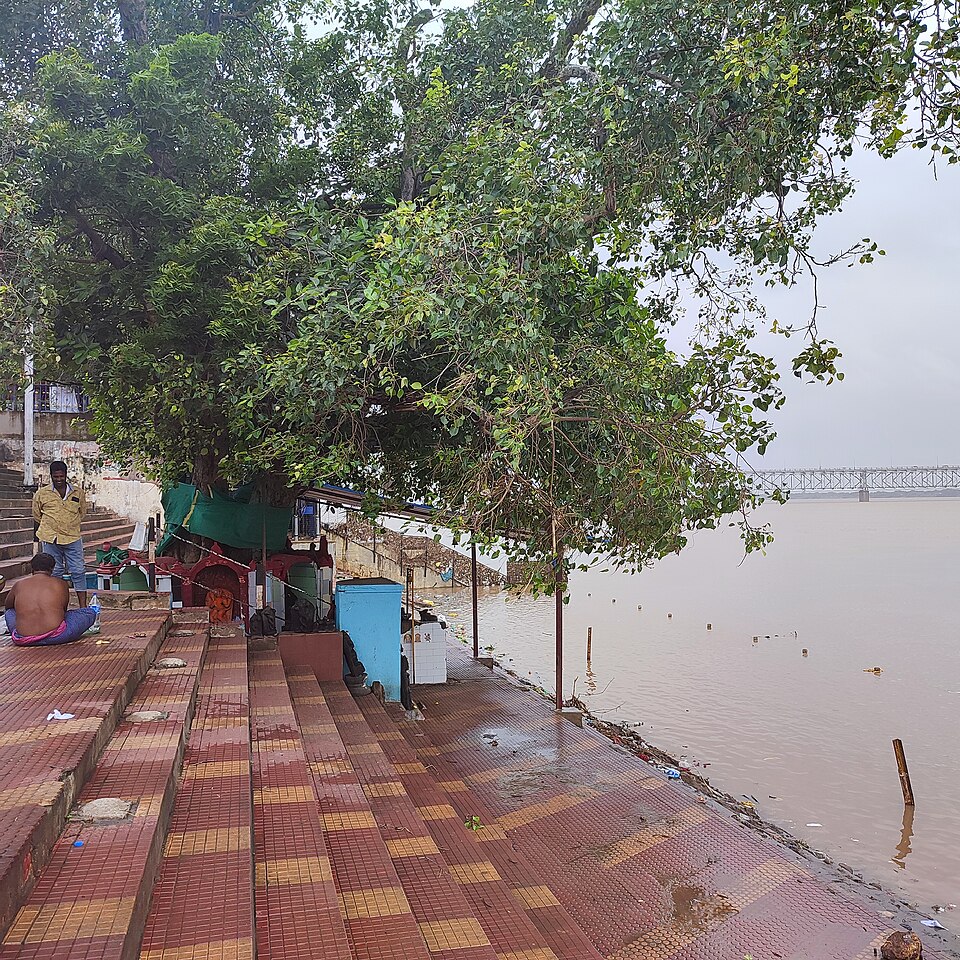
Godavari river ghat at Rajahmundry: regional landscape, not a verified photograph of a specific Peetha shrine — Adivaitha. Source · CC BY-SA 4.0. Display may be cropped.
Shrine interior recorded by the photographer at Maa Bhramari Temple near Siliguri, West Bengal, in 2017. — SayandeepDutta. Source · CC BY 4.0. Display may be cropped.
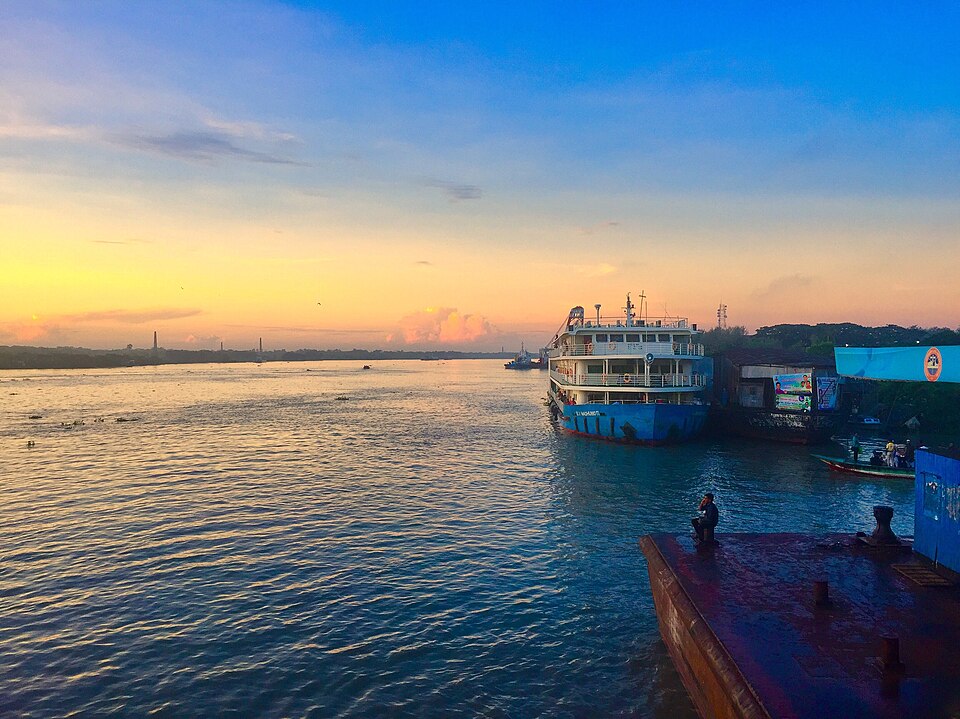
Regional view: the Kirtankhola River at Barisal, Bangladesh. This is regional context, not a photograph of Sugandha Temple or the Sunanda River. — Hasan Iqbal from Stockholm, Sweden. Source · CC BY 2.0. Display may be cropped.
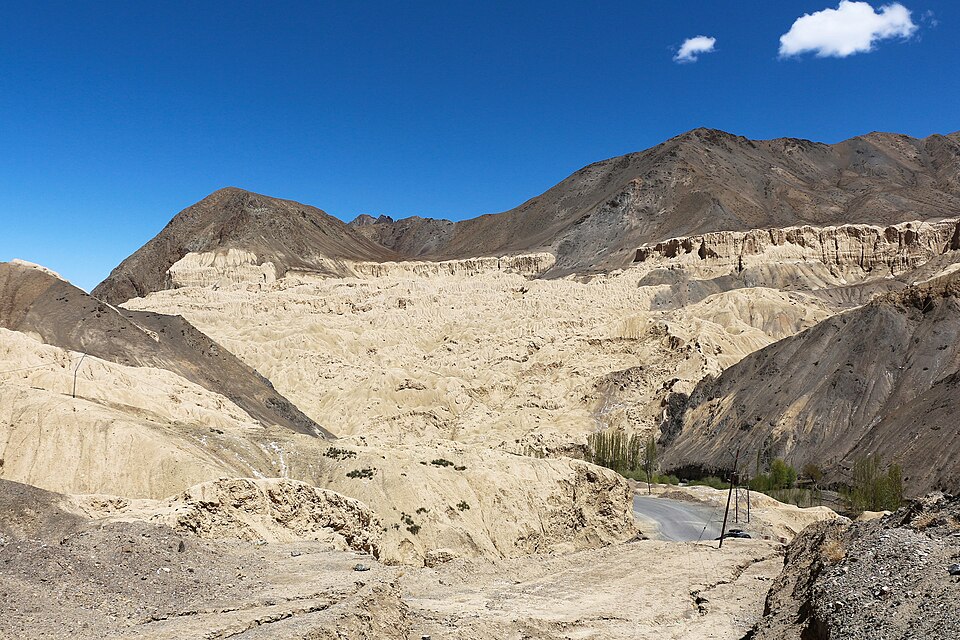
Regional landscape: Ladakh near Lamayuru, one of the broader regions named in Shri Parvat traditions. This photograph does not identify the Peetha site. — Bernard Gagnon. Source · CC BY-SA 4.0. Display may be cropped.
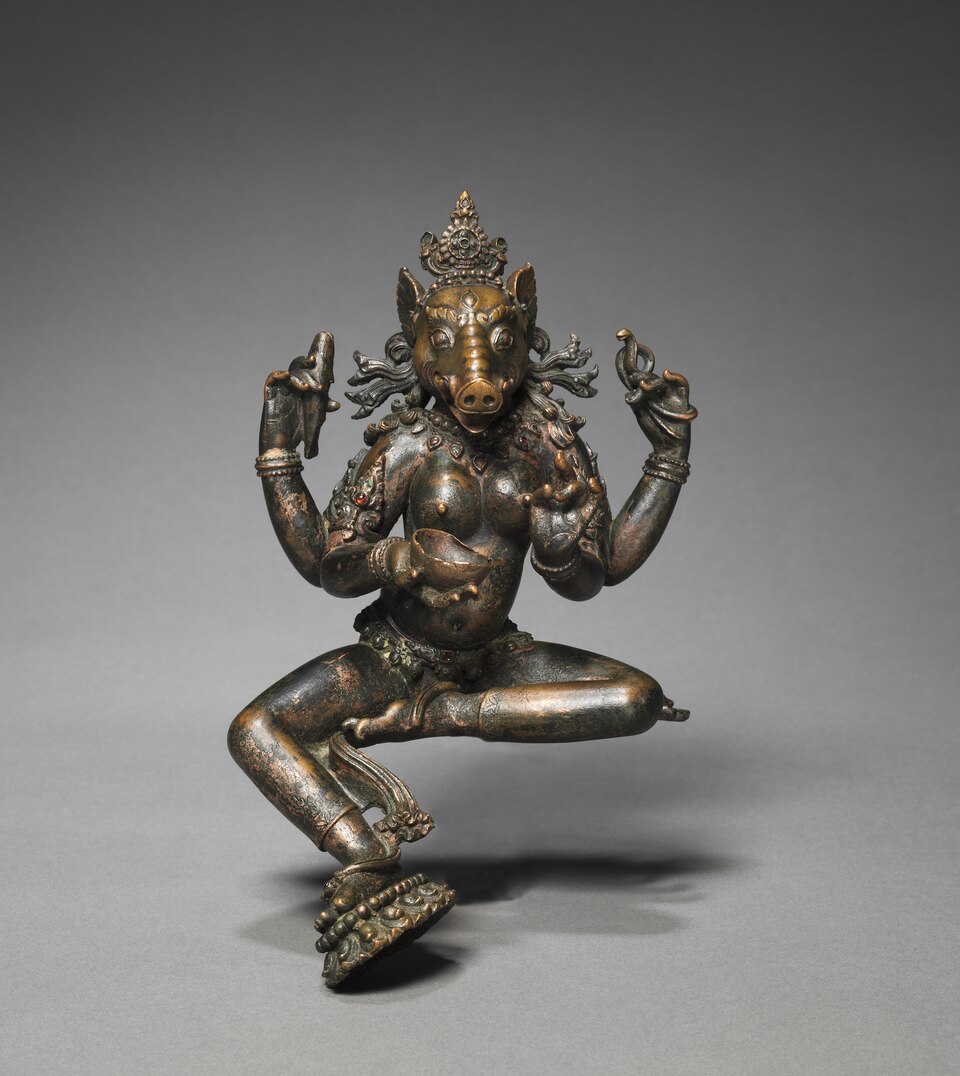
Devotional art: a 14th-century Nepalese sculpture of Varahi, Cleveland Museum of Art, accession 1978.70. It illustrates the named Goddess, not the Panchasagar shrine. — Cleveland Museum of Art; Nepalese artist unrecorded. Source · CC0. Display may be cropped.
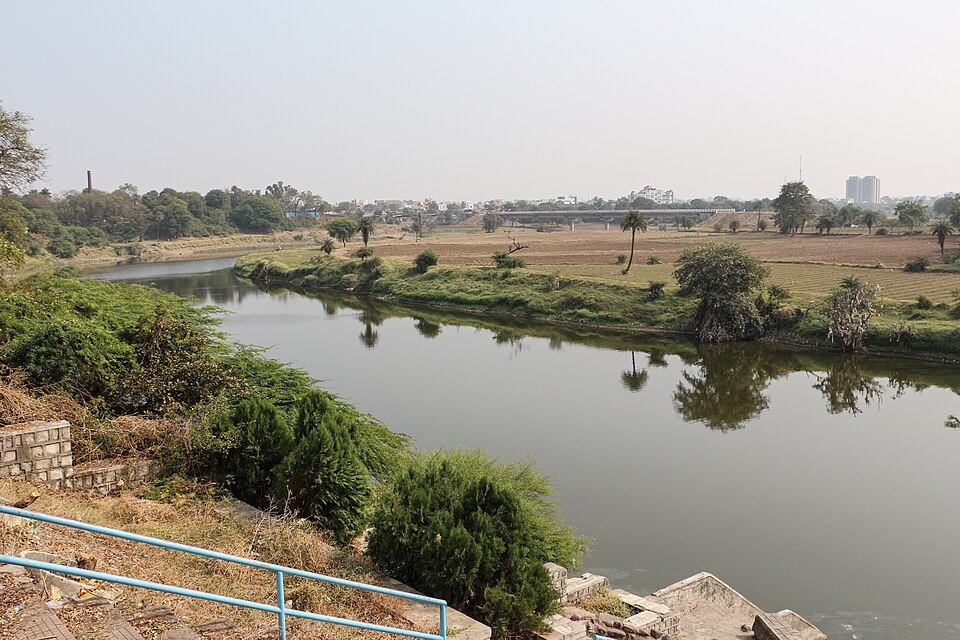
Regional view: the Shipra River opposite Vedh Shala in Ujjain. This photograph provides context for the Ujjain identification, not a view of Bhairav Parvat shrine. — Bernard Gagnon. Source · CC BY-SA 3.0. Display may be cropped.
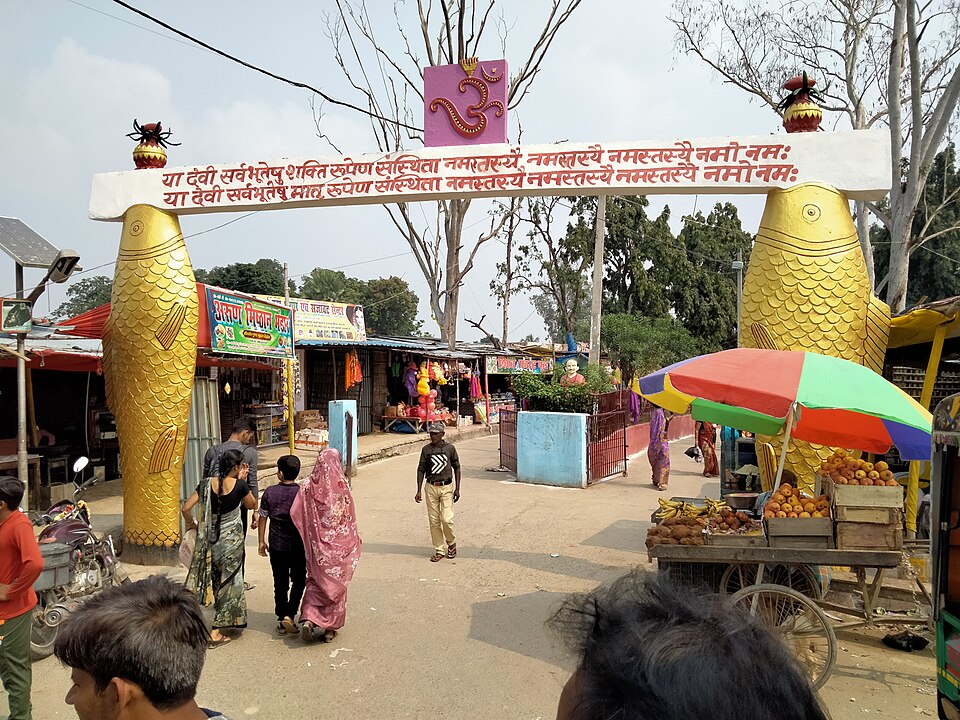
Machh Dwar, the fish-shaped entrance at Uchchaith Bhagwati Sthan in Benipatti, Mithila. This local Bhagwati shrine does not resolve the differing identifications of Mithila Peetha. — Sntshkumar750. Source · CC BY-SA 4.0. Display may be cropped.
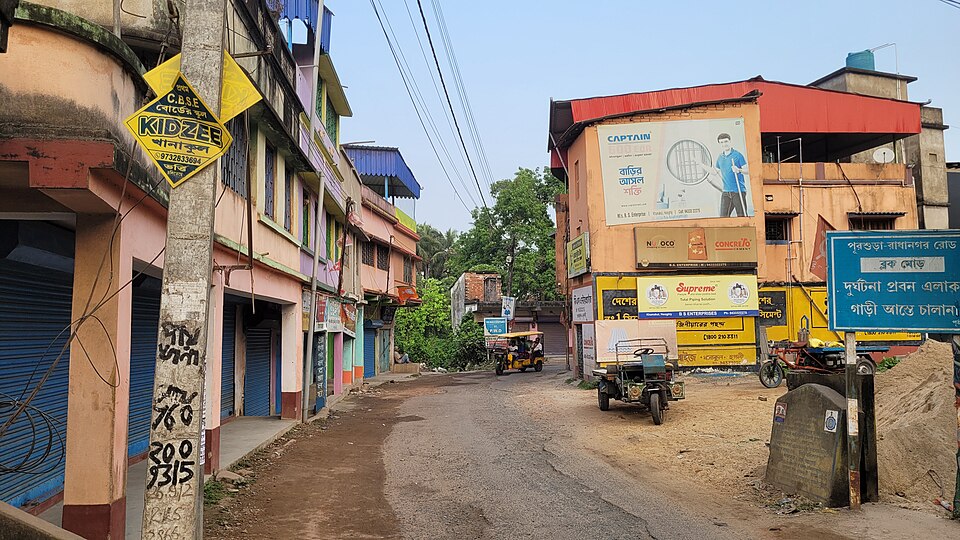
Regional view: a morning street scene in Khanakul, Hooghly. This photograph shows the locality associated with Ratnavali, not the temple building. — WikiForRay. Source · CC BY-SA 4.0. Display may be cropped.
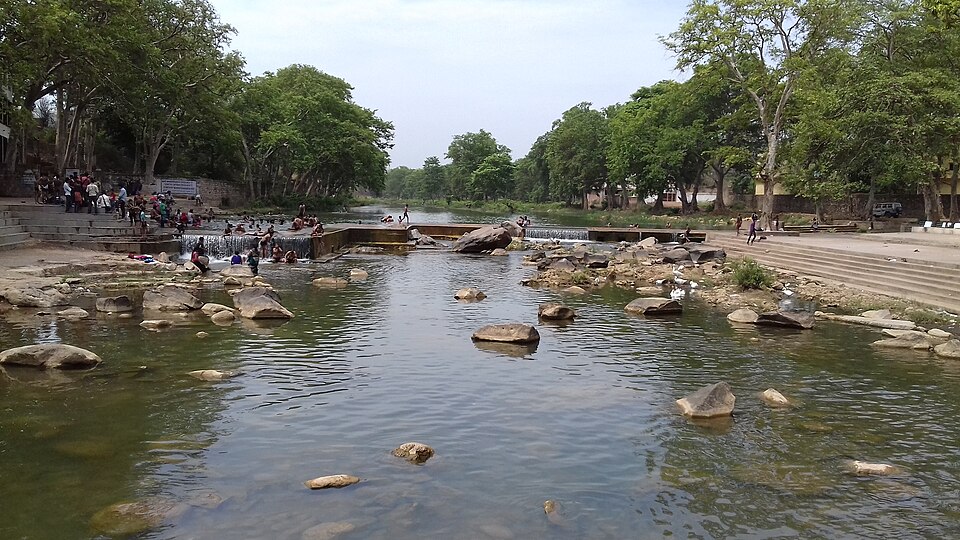
Regional view: the Mandakini River at Janaki Kund, Chitrakoot. This is context for the directory location note, not an identified Kalamadhav shrine. — Naitritya verma. Source · CC BY-SA 4.0. Display may be cropped.