Yoga includes ethical and philosophical questions as well as physical practice. These introductions explain terms and contexts. They are not instructions for advanced breathing, treatment or demanding exercises; personal practice should suit your circumstances.
Kundalini and chakras appear frequently in contemporary discussions of yoga, often with diagrams of seven coloured circles. These images can be useful introductions to a particular teaching, but they…
Nishkama karma is often summarised as action without attachment to its fruits. The phrase can sound like an instruction not to care whether work succeeds. That misses an important…
The three gunas are qualities used in Indian philosophical traditions to describe the workings of prakriti, or nature. Sattva, rajas and tamas also appear in the Bhagavad Gita’s discussion…
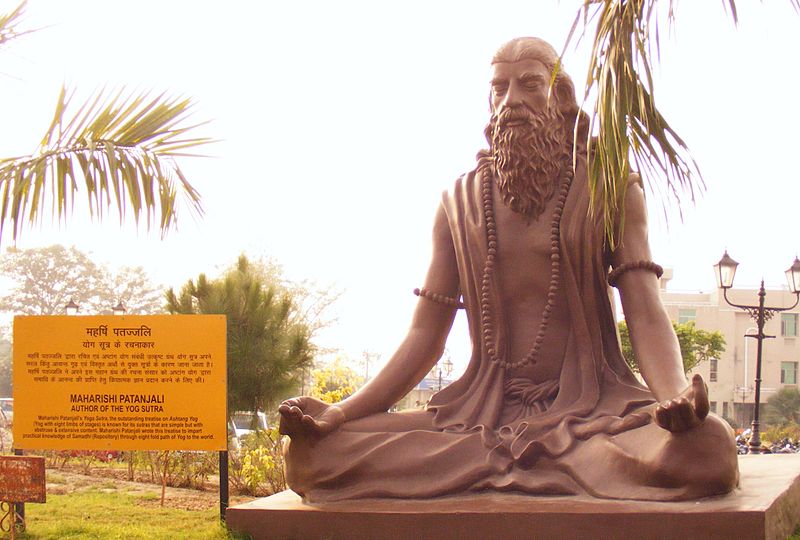
Yoga is often encountered through posture classes, but Patanjali’s Yoga Sutras place ethical disciplines within a broader path. The yamas and niyamas ask how a practitioner lives, relates to…
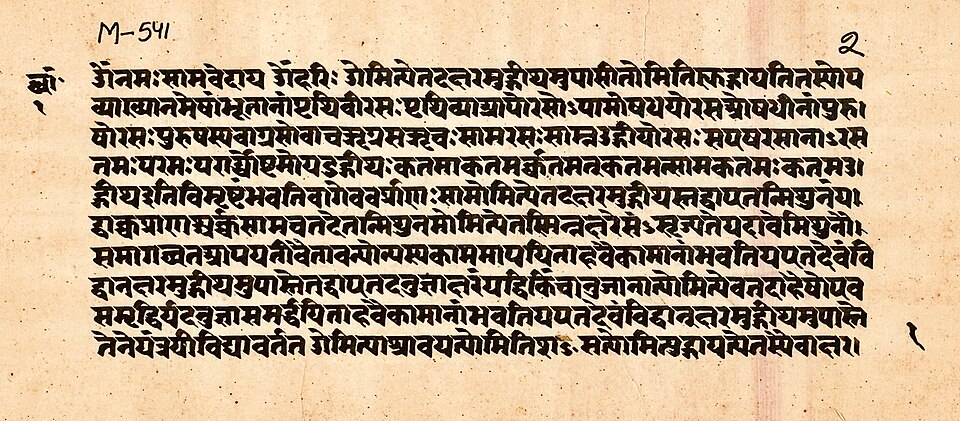
Om is familiar as a sound at the beginning of a prayer and as a written symbol on books, doorways and temple walls. The Mandukya Upanishad takes that familiarity…