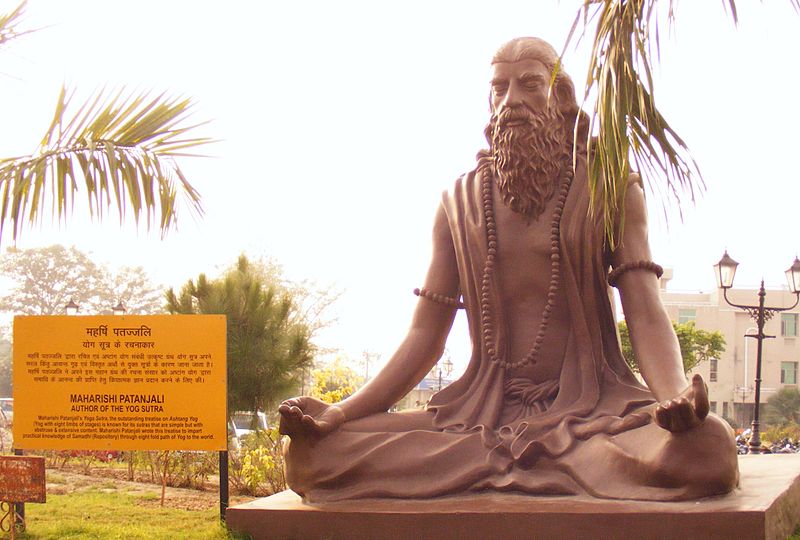
Yoga is often encountered through posture classes, but Patanjali’s Yoga Sutras place ethical disciplines within a broader path. The yamas and niyamas ask how a practitioner lives, relates to others and directs attention. They are not simply a warm-up that can be completed and forgotten before the “real” practice begins.
The five yamas
The yamas are commonly named as ahimsa, satya, asteya, brahmacharya and aparigraha. They are usually explained through non-harming, truthfulness, non-stealing, disciplined conduct and non-grasping. Translations differ, especially for brahmacharya, so it is useful to consult a commentary rather than assume that one English phrase exhausts the meaning.
Consider truthfulness in an ordinary conversation. Being truthful does not remove the need to consider timing, privacy and the effect of one’s words. Ethical principles can place demands on each other. Working through that tension is more meaningful than repeating a definition.
The five niyamas
Saucha, santosha, tapas, svadhyaya and Ishvara pranidhana are commonly discussed through cleanliness or purity, contentment, discipline, study and dedication to the divine. Their religious context matters. Translating them entirely into productivity language can leave out what a traditional commentator considers central.
Contentment, for example, need not mean accepting mistreatment or abandoning reasonable effort. Discipline need not mean punishing the body. A careful explanation avoids turning a nuanced principle into an absolute command detached from circumstances.
Try one small observation
Choose a situation you encounter regularly: a purchase, an argument or the urge to check your phone while someone speaks. Ask which principle might help you see the situation more clearly. Write down what you actually did, rather than what an ideal practitioner would have done.
This is reflection, not a method for scoring other people’s spirituality. The usefulness of the exercise lies in noticing habits and making a thoughtful adjustment. A grand declaration about never becoming angry is usually less workable than learning to pause before sending an unkind message.
Keep the larger context
The ethical limbs belong to a philosophical and contemplative system. Studying them alongside a reliable translation helps prevent isolated phrases from becoming self-help slogans. A teacher can also explain differences between interpretations.
Physical yoga should be adapted to individual circumstances; ethical interest is not a reason to attempt difficult postures or breathing practices without suitable guidance. The yamas and niyamas bring the attention back to how life is lived between sessions. That is where their questions remain active.
Sources & further reading
www.wisdomlib.org — reference and further reading. Interpretive reflections and practical reading suggestions in this article are the website’s own explanatory material. Check current official arrangements before travelling.