Explore Indian heritage through clear introductions to sacred places, thoughtful readings of familiar texts, and practical guides to living traditions.
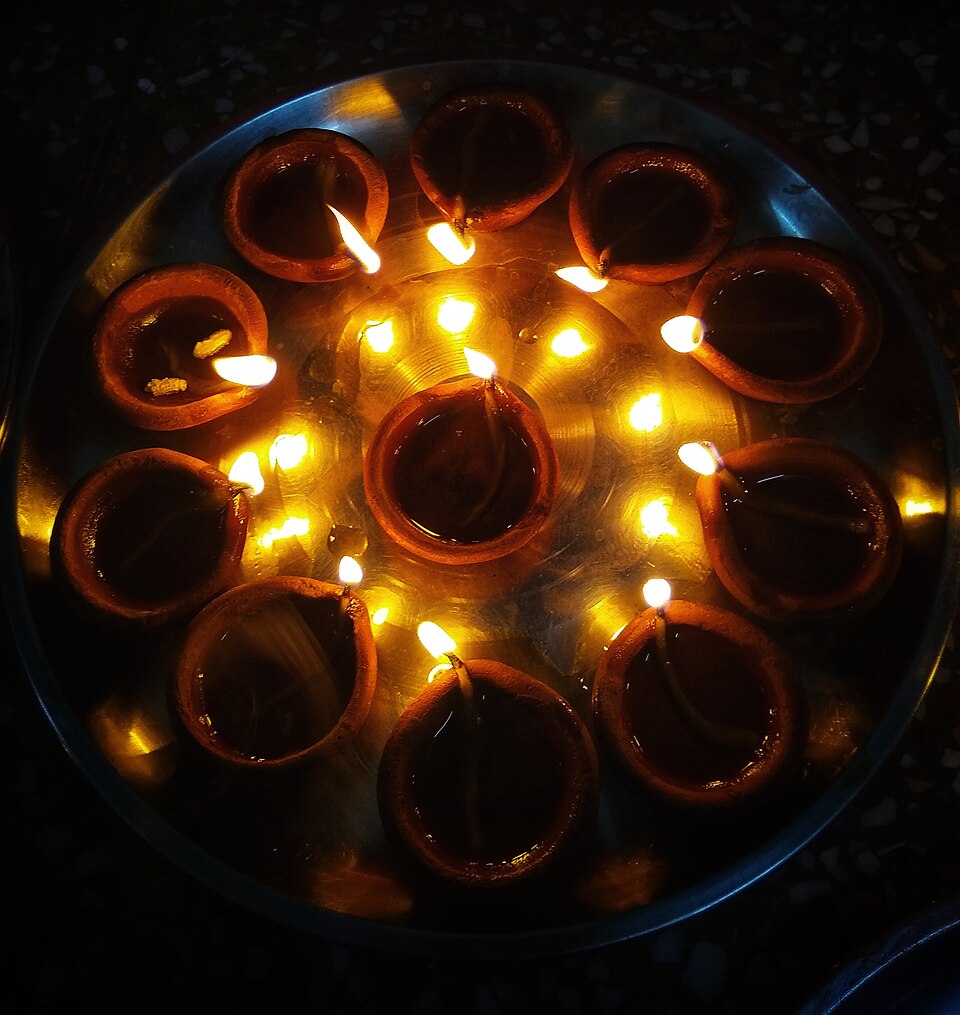
Diwali is often introduced as a festival of lights, but the phrase covers many household and community traditions. Dhanteras, Lakshmi worship, Naraka Chaturdashi, Govardhan Puja and sibling celebrations can…
Maha Shivratri is associated with worship of Shiva, prayer, fasting in some traditions and a vigil through part or all of the night. The observance can be quiet at…
Navadurga refers to nine forms of the Goddess that are especially familiar during Navratri. Their names, images and local observances give worshippers several ways to approach divine strength and…
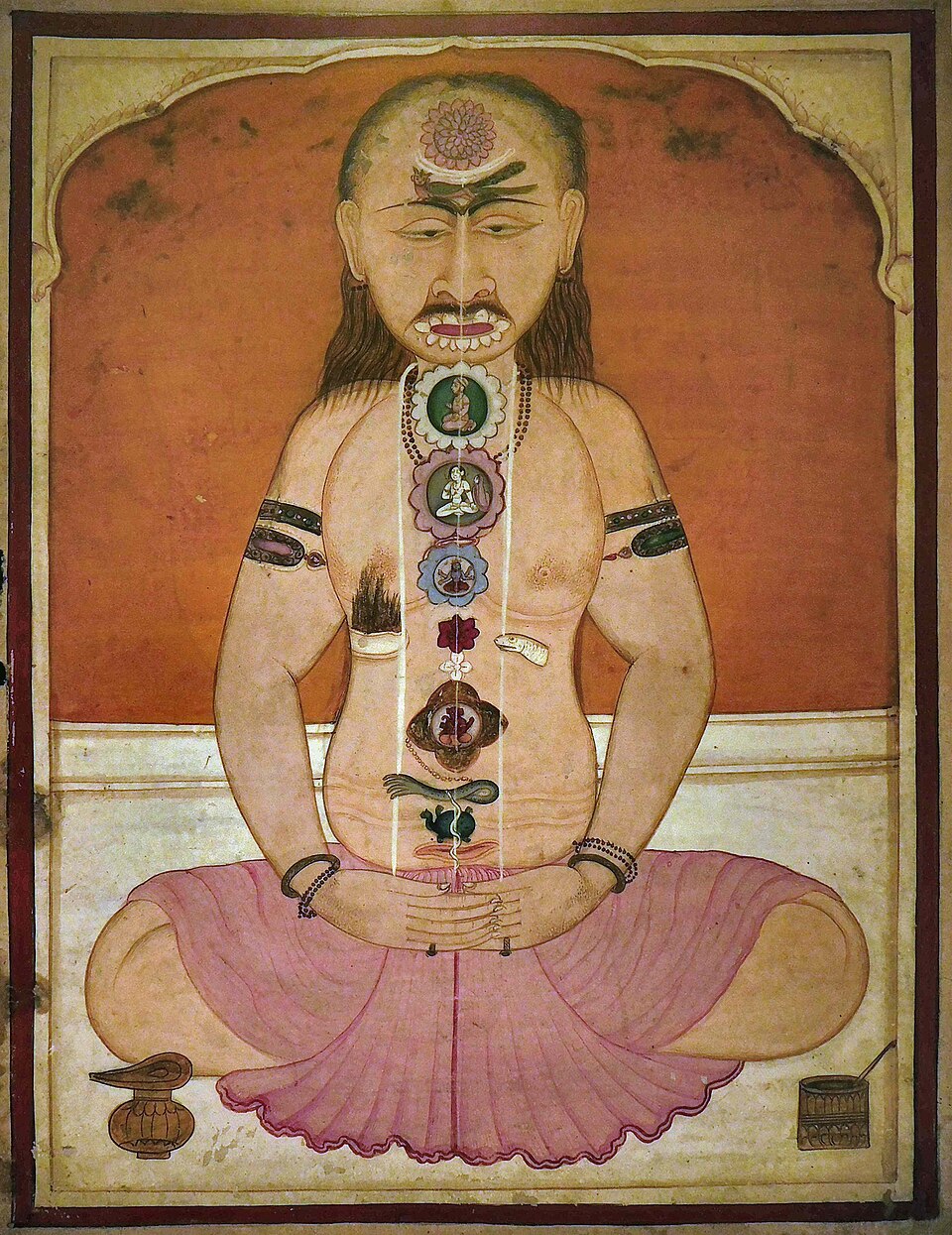
Chakra diagrams are now familiar on posters and wellness products. Their apparent simplicity can be misleading. Traditions have used different arrangements of subtle centres, and a modern seven-colour chart…
Prana is often translated as breath, but its meaning in Indian philosophical and yogic traditions is broader. It can refer to vital activity or a life-sustaining principle. The five…
The eight limbs described in Patanjali's Yoga Sutras give a wider view of yoga than a collection of poses. Sutra 2.29 names ethical restraints, observances, posture, breath regulation, withdrawal…
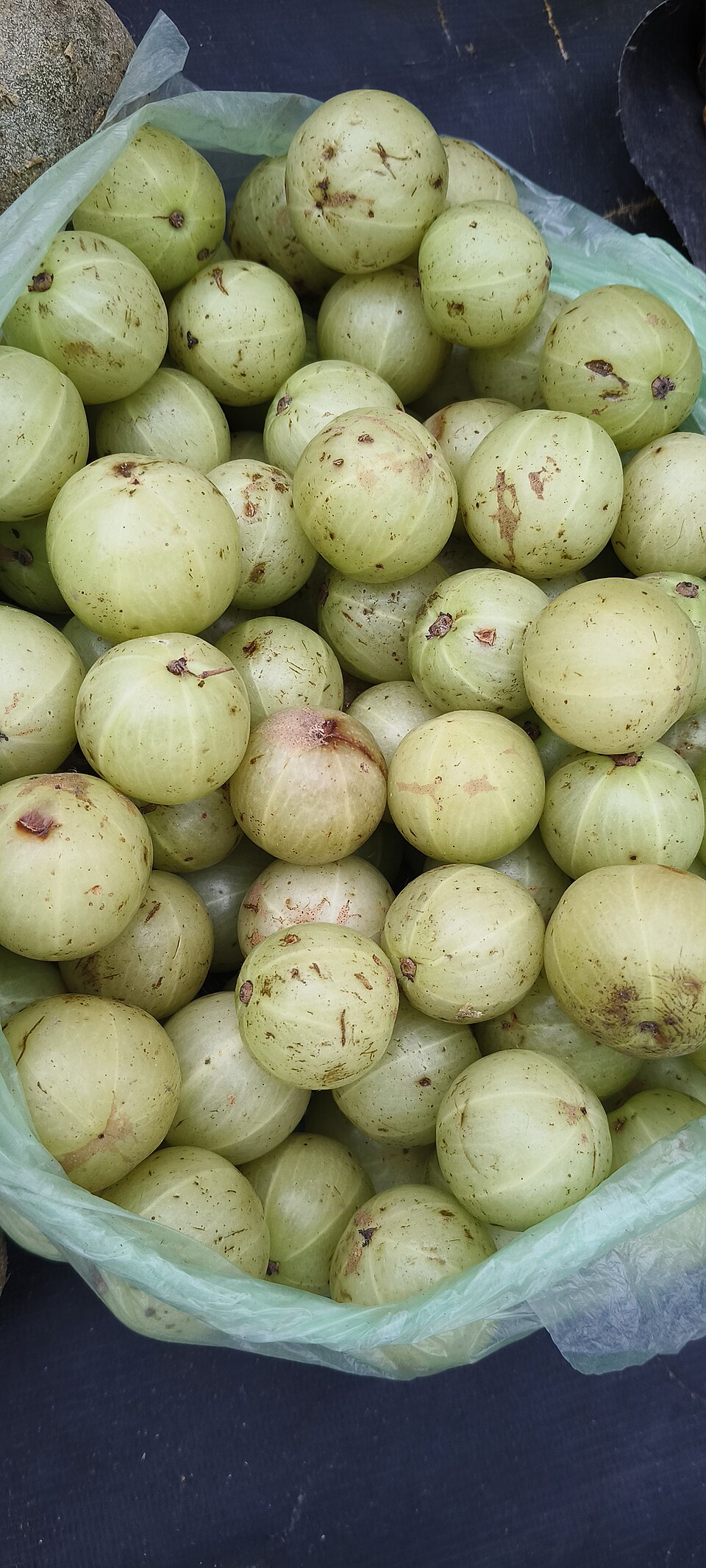
Rasayana and ojas often appear in discussions of Ayurveda, vitality and ageing. They also appear on products promising stronger immunity or a longer life. These uses should be read…
Vata, pitta and kapha are central terms in Ayurveda. They help organise that tradition's explanations of the body, constitution and illness. Reading them carefully means understanding how the framework…
A daily routine can make a busy day easier to navigate. In Ayurveda, dinacharya names an approach to everyday conduct that includes waking, hygiene, meals, movement and rest. It…
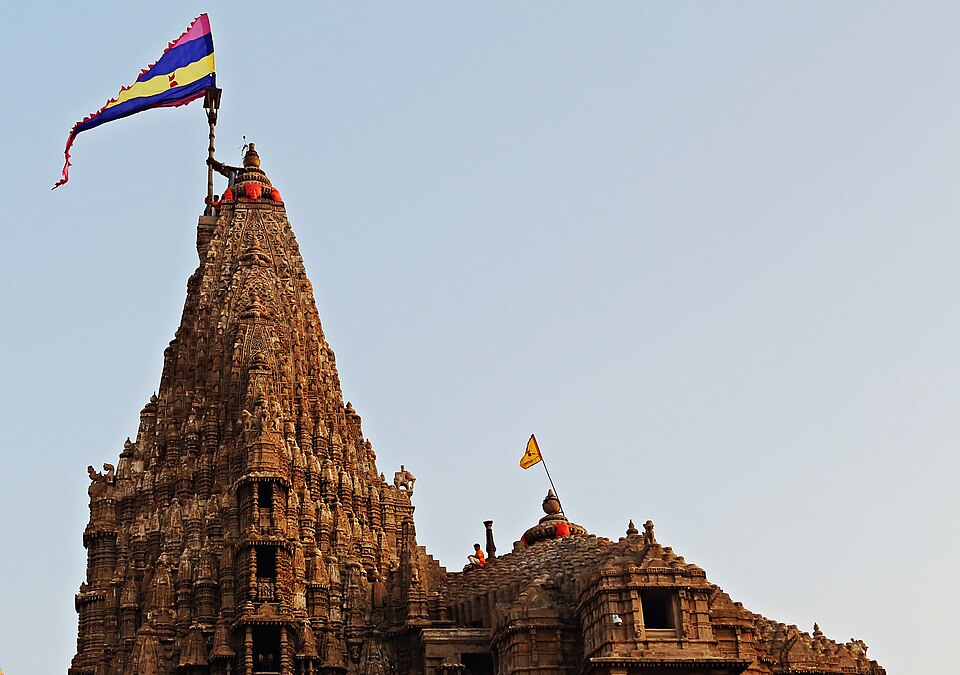
Dwarka, Puri and Rameswaram connect major pilgrimage traditions with coastal settings. They belong to the wider four-Dham circuit alongside Badrinath, but that circuit should not be confused with a…
Nagara, Dravida and Vesara are useful terms in discussions of Indian temple architecture. They are starting points for looking closely, not three rigid boxes into which every temple fits.…
A Vastu Purusha Mandala is a way of organising space through a grid and a set of symbolic relationships. It is important to the study of Indian architectural traditions,…