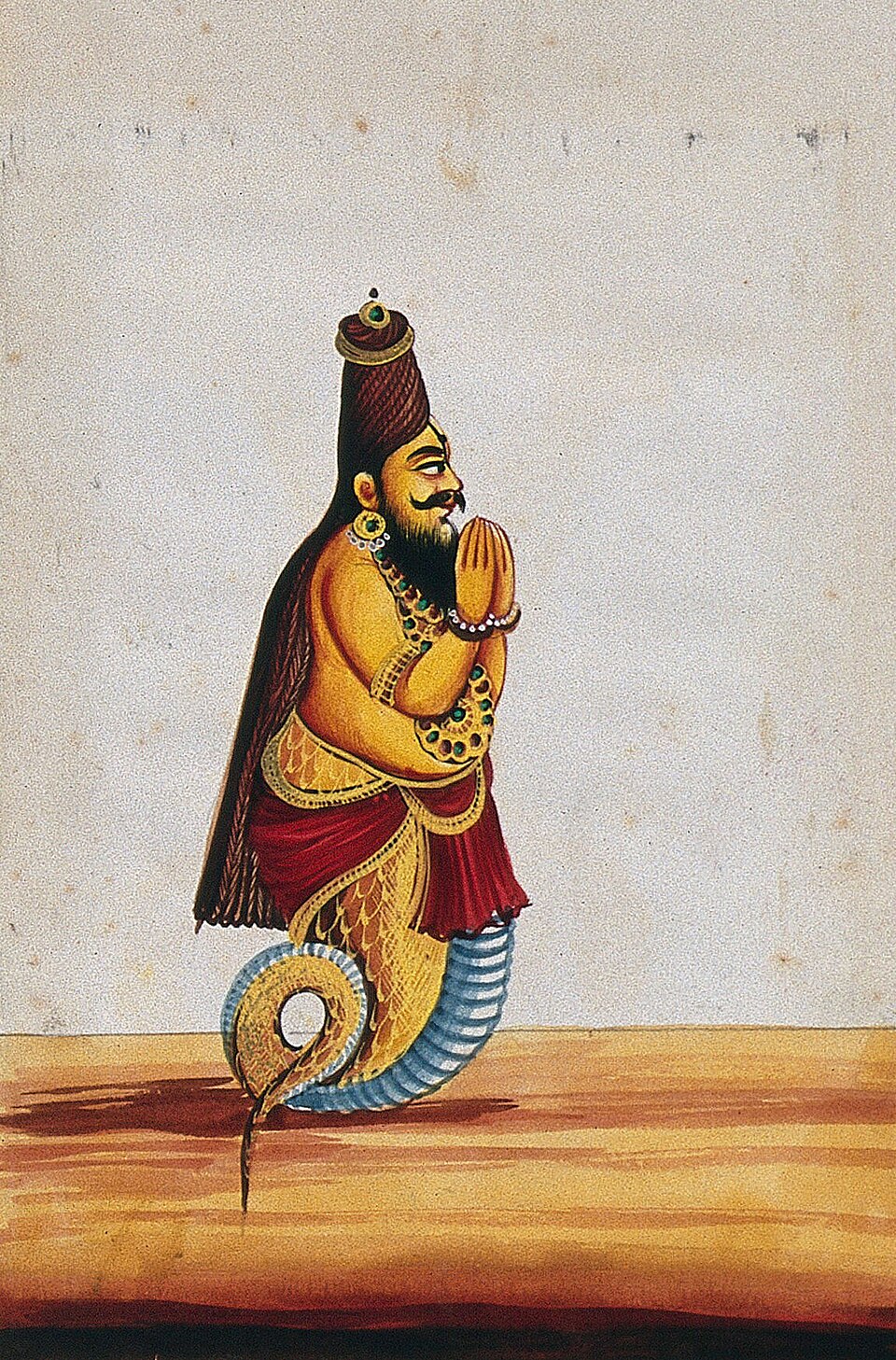
The eight limbs described in Patanjali's Yoga Sutras give a wider view of yoga than a collection of poses. Sutra 2.29 names ethical restraints, observances, posture, breath regulation, withdrawal of the senses, concentration, meditation and absorption. The list is an invitation to study a practice with several connected dimensions.
Begin with conduct
Yama includes non-harming, truthfulness, non-stealing, brahmacharya and non-possessiveness. Niyama includes cleanliness, contentment, disciplined effort, study and dedication to Ishvara. Translations vary, especially for words whose religious and ethical meanings exceed a brief English label. It is worth reading a translator's notes rather than treating a list as a complete explanation.
Brahmacharya, for example, has a history connected with sexual restraint and celibacy; translating it only as productivity loses that dimension. Similarly, Ishvara-pranidhana has a devotional meaning that disappears if it becomes a generic instruction to think positively. A modern application should acknowledge when it is adapting the text.
Posture, breath and the senses
Asana is one limb. The short discussion around sutra 2.46 emphasises steadiness and ease, rather than providing a catalogue of modern sequences. That does not make later forms of yoga inauthentic by definition; it means this particular text should not be asked to describe every practice that developed afterwards.
Pranayama and pratyahara concern breath regulation and the relationship of the senses to their objects. Learning their vocabulary is different from attempting breath retention or forceful techniques. A reading guide supplies context, not personal instructions for advanced physical practice.
Three closely related terms
Dharana, dhyana and samadhi are discussed at the beginning of the third chapter. They concern concentration, the continuity of meditation and absorption. Translations and schools differ in how they explain the experience and its philosophical significance. The Yoga Sutras should not automatically be made to say that all traditions understand liberation in the same way.
For a first reading, place the Sanskrit term beside two translations. Note what each translator adds in commentary. This makes a difficult passage easier to approach without pretending that a sentence in a magazine can resolve centuries of interpretation.
Use the map without creating a competition
The list need not become eight badges to collect. Ethical questions remain relevant while a person studies posture or meditation; a demanding pose does not certify wisdom. A useful reflection after class might be whether you listened to a limit, treated another person fairly or asked an honest question. The eight-limbed framework broadens what counts as practice, while leaving room for patient study.

.jpg)