Explore Indian heritage through clear introductions to sacred places, thoughtful readings of familiar texts, and practical guides to living traditions.
The shelves are large, the titles unfamiliar and the recommendations often contradictory. A person who wants to begin reading Indian scriptures can easily spend more time choosing a book…
Vasudhaiva Kutumbakam is widely expressed in English as the idea that the world is one family. It is commonly associated with a passage in the Maha Upanishad. The phrase…
Karma concerns action and its consequences within several Indian religious and philosophical traditions. Terms such as sanchita and prarabdha appear in explanations of how karmic results are understood. They…
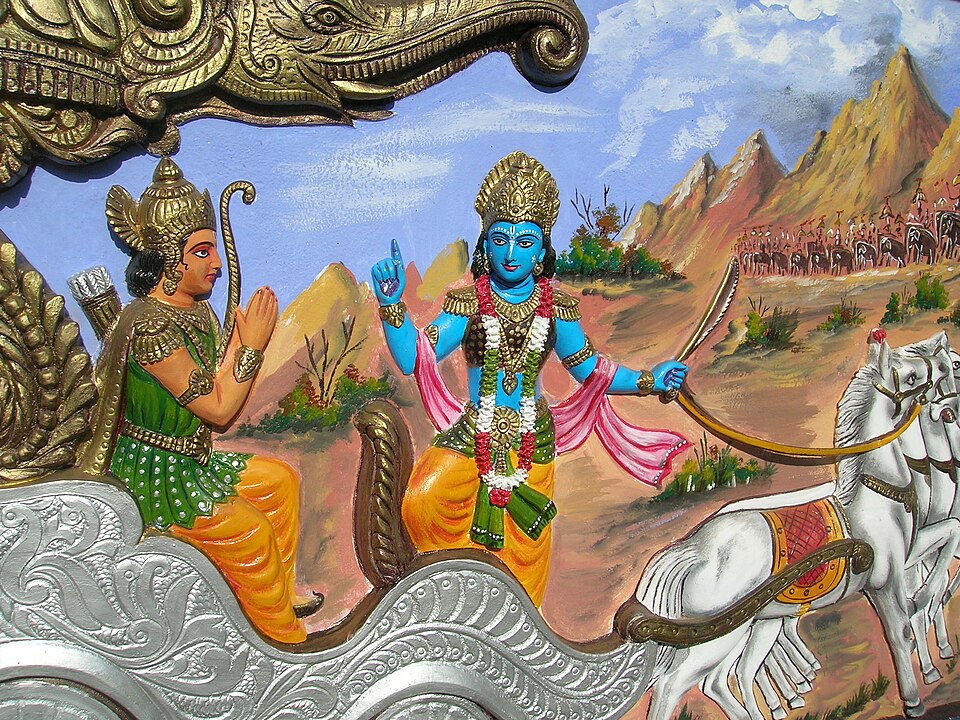
Chapter two of the Bhagavad Gita begins within Arjuna’s distress. Its teaching is not delivered to a detached observer collecting philosophical facts. It answers someone who is confused about…
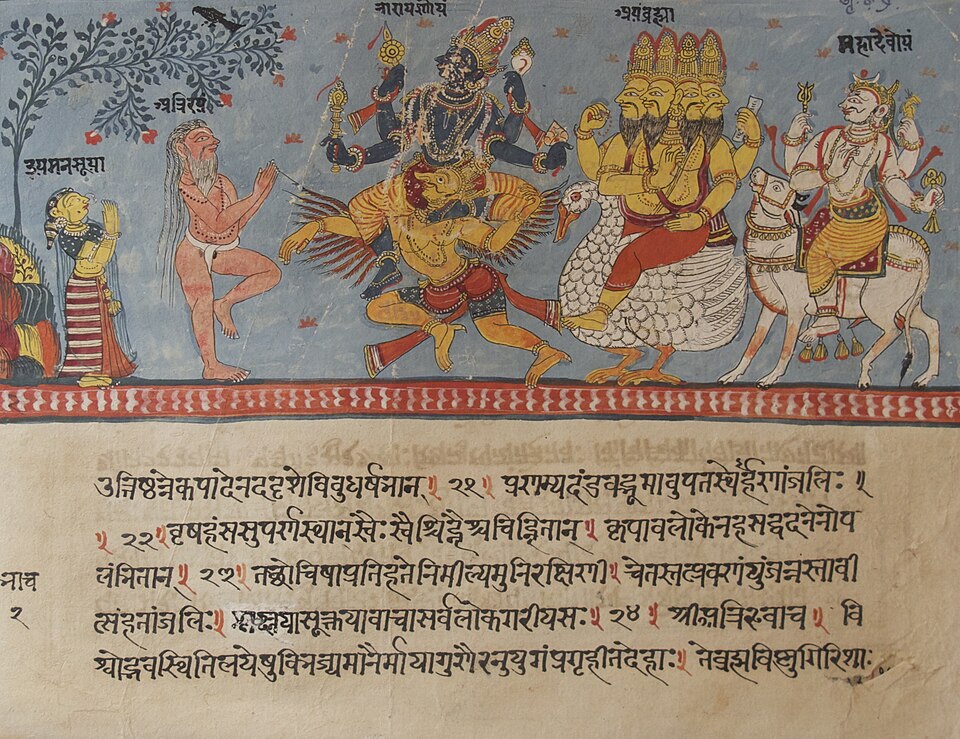
The Mahapuranas form a large and varied body of Sanskrit literature. The familiar number eighteen identifies a received grouping, not eighteen books with identical contents or a single simple…
Kundalini and chakras appear frequently in contemporary discussions of yoga, often with diagrams of seven coloured circles. These images can be useful introductions to a particular teaching, but they…
The Prithvi or Bhumi Sukta, associated with Atharvaveda 12.1, addresses the Earth through a rich set of images and relationships. A modern reader may find it meaningful in thinking…
Maya is often translated with the English word “illusion.” On its own, that translation can suggest that Advaita Vedanta regards ordinary life as meaningless or simply nonexistent. The philosophical…
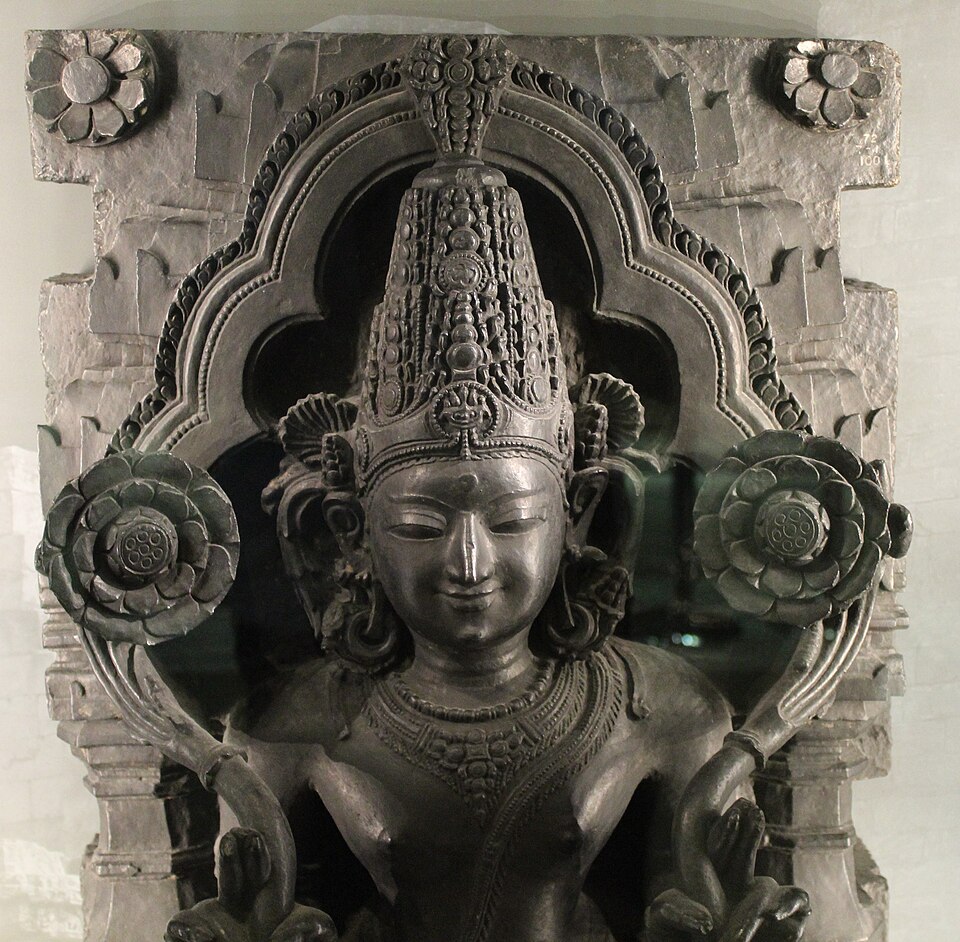
The Gayatri mantra is among the best-known Vedic verses. Its familiar core is associated with Rigveda 3.62.10 and an invocation of Savitr. A beginner’s introduction should begin with meaning…
Nishkama karma is often summarised as action without attachment to its fruits. The phrase can sound like an instruction not to care whether work succeeds. That misses an important…
The three gunas are qualities used in Indian philosophical traditions to describe the workings of prakriti, or nature. Sattva, rajas and tamas also appear in the Bhagavad Gita’s discussion…
An oral tradition is sometimes imagined as a text repeated casually from memory. Vedic chanting asks us to reconsider that assumption. Its preservation involves trained attention to sound, accent…