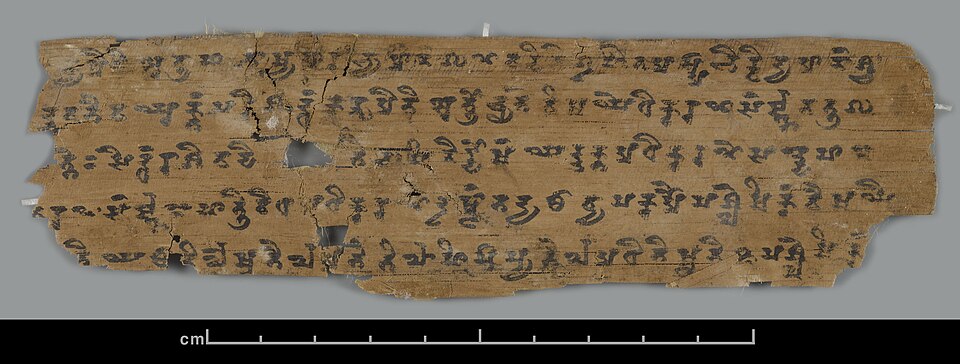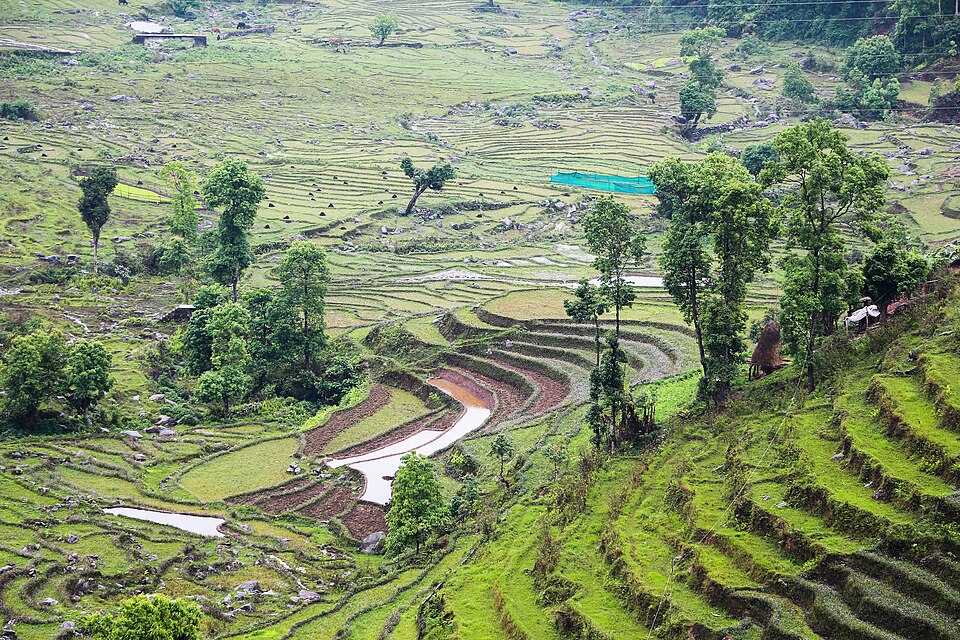
The Prithvi or Bhumi Sukta, associated with Atharvaveda 12.1, addresses the Earth through a rich set of images and relationships. A modern reader may find it meaningful in thinking about the environment. That connection is worth exploring without declaring the hymn the world’s first modern environmental policy.
Attend to the range of images
The hymn’s Earth is not an abstract surface. It supports life, places, activity and difference. Read a complete translation before selecting one line for a poster. The wider sequence gives individual images a context that a short quotation cannot provide.
Notice how the speaker relates to the Earth rather than only asking what benefits can be obtained from it. This shift of attention can be a useful starting point for reflection, even when a reader does not share every religious assumption of the text.
Ancient hymn and modern concern
Modern environmental science uses measurements, models and evidence that are different from the language of sacred poetry. A hymn does not establish a climate projection or replace ecological research. It may, however, contribute a language of belonging, gratitude and obligation.
Make that connection explicit as a contemporary interpretation. Saying “this passage invites me to think about care for the land” is more precise than claiming that it contains every principle of present environmental law.
Avoid competitive superlatives
Claims such as “the earliest declaration in the world” require comparison across many traditions and a defensible chronology. Such a claim is rarely necessary to explain why a text matters. The hymn can be appreciated without winning a contest over who cared for nature first.
Likewise, a tradition’s reverence for the Earth does not prove that every historical practice within it was environmentally harmless. Ideals and conduct should be examined separately, in the past as well as today.
Turn reflection into something specific
After reading, choose one ordinary relationship with the land to consider: food, water, waste or the care of a shared outdoor space. Ask what a more attentive action would look like in that setting. Avoid a grand pledge so vague that it changes nothing.
This is an application by a present-day reader, not a translation of the hymn into a checklist. Keeping the distinction clear allows ancient poetry and current responsibility to speak to one another without making either carry claims it cannot support.
Sources & further reading
www.wisdomlib.org — reference and further reading. Interpretive reflections and practical reading suggestions in this article are the website’s own explanatory material. Check current official arrangements before travelling.