Explore Indian heritage through clear introductions to sacred places, thoughtful readings of familiar texts, and practical guides to living traditions.
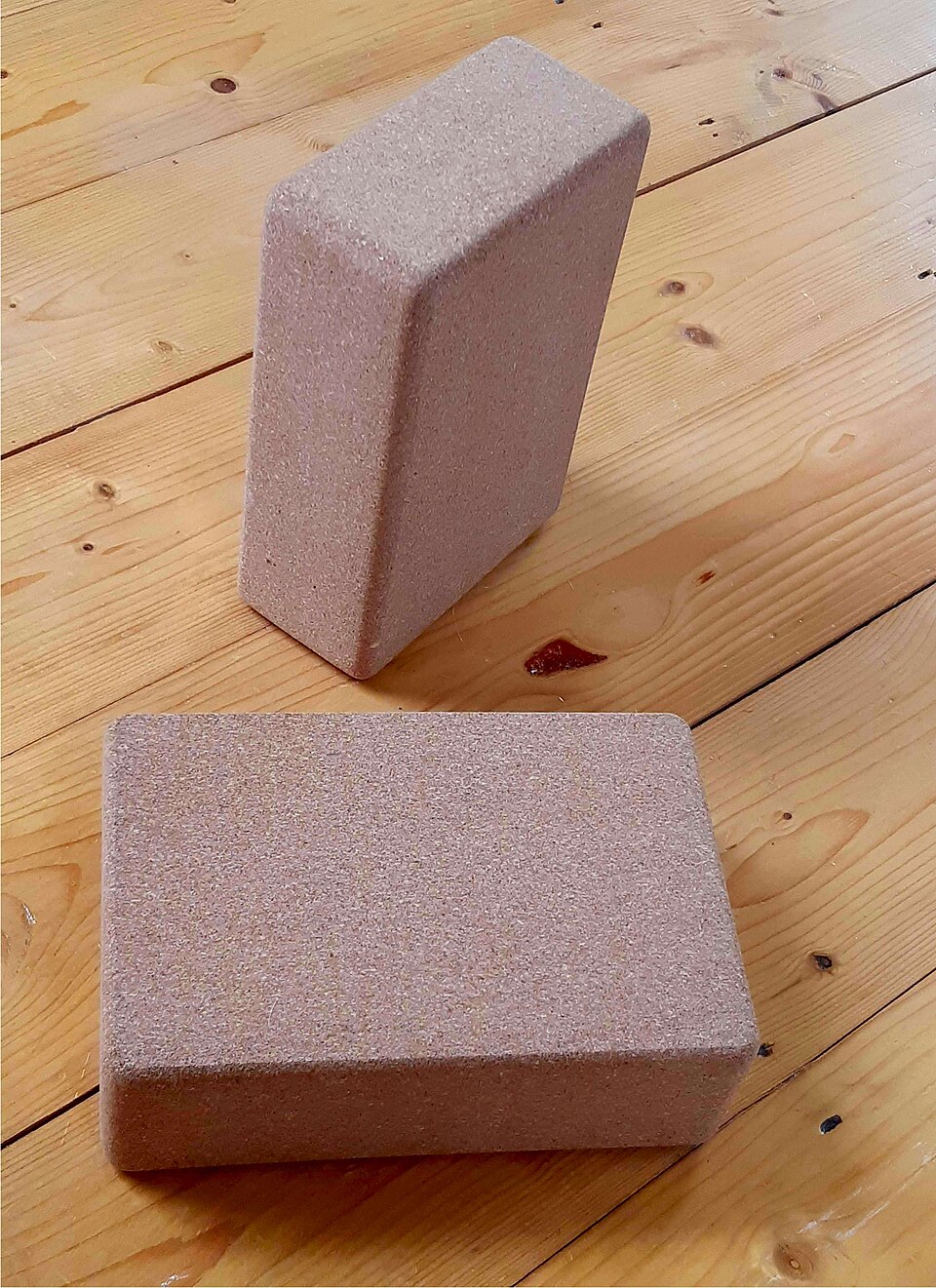
A block, strap, folded blanket or chair can look like an optional accessory in a yoga photograph. In a class, the more useful question is what the object is…
“Notice your breath” and “hold your breath” are not equivalent instructions. Yet both can appear under the broad label of breathwork. For a beginner, learning the vocabulary before attempting…
A meditation notebook can be a small record of experience rather than a scorecard. It does not need to prove that every session was peaceful or that progress rises…
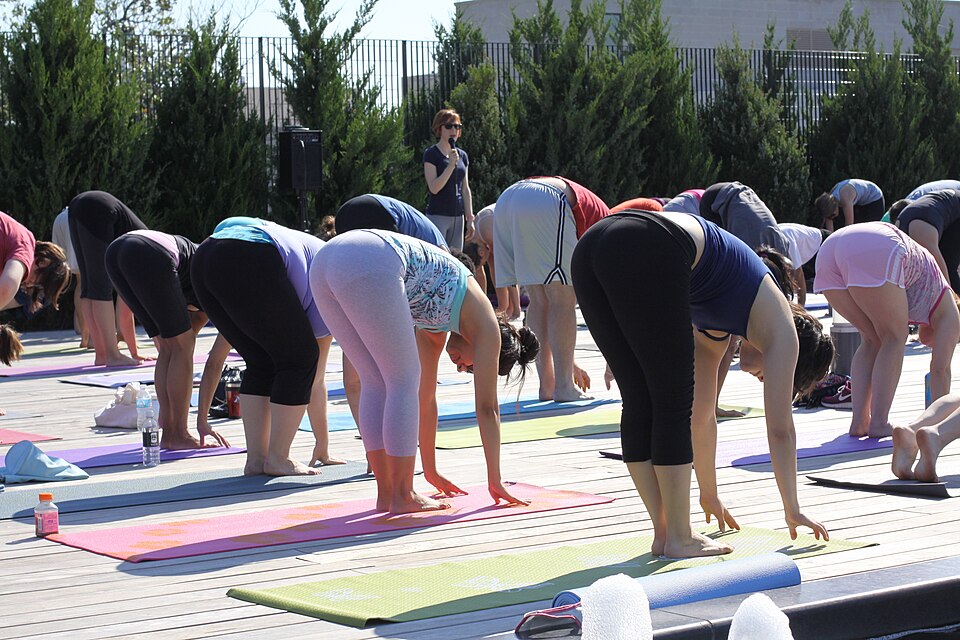
A yoga class involves more than instructions about movement. It also involves decisions about touch, privacy and how much choice a participant feels able to exercise. Discussing those decisions…
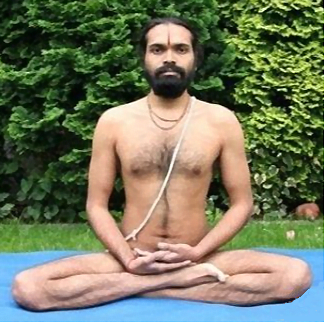
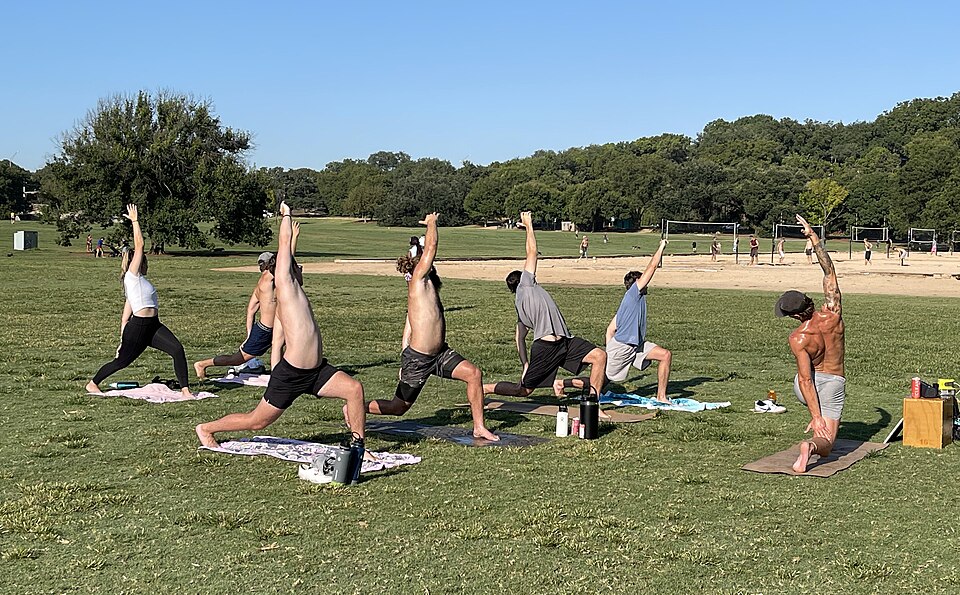
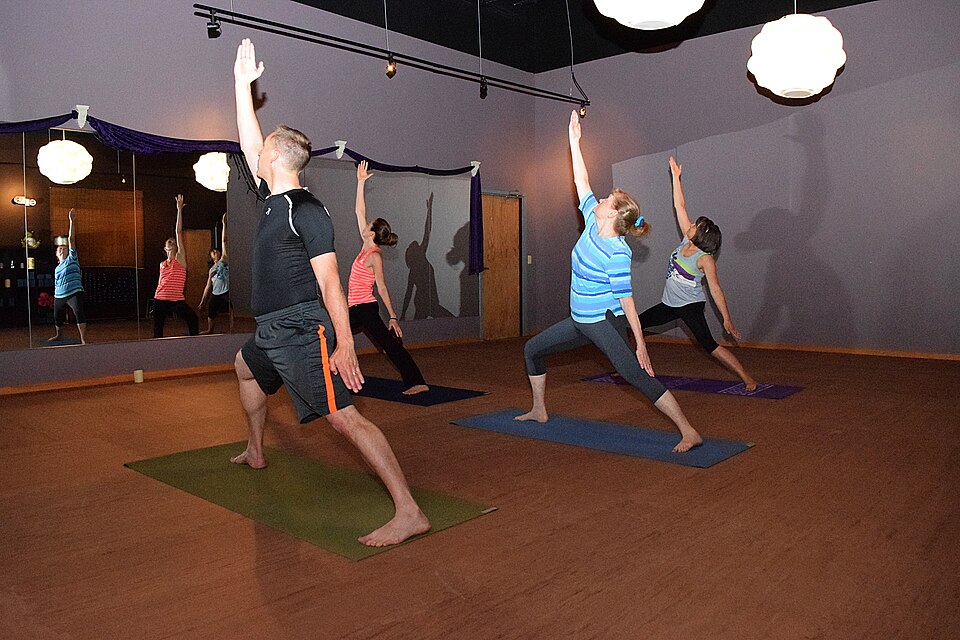
A photograph can show the shape of a posture, the setting and the moment chosen by the photographer. It cannot show the whole practice behind the image. Remembering that…
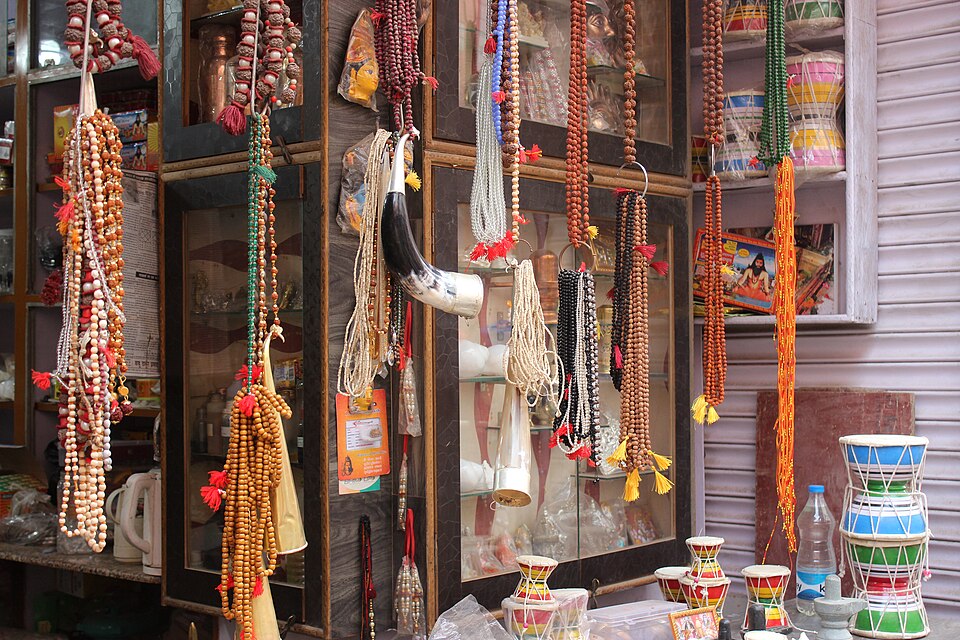
Japa is the repetition of a mantra or sacred name. A mala, or string of beads, can support counting in some traditions, but the object is not the whole…
The hardest part of a first yoga class can happen before any movement begins: deciding what kind of class it is, what will be expected and whether questions are…
The eight limbs described in Patanjali's Yoga Sutras give a wider view of yoga than a collection of poses. Sutra 2.29 names ethical restraints, observances, posture, breath regulation, withdrawal…
Prana is often translated as breath, but its meaning in Indian philosophical and yogic traditions is broader. It can refer to vital activity or a life-sustaining principle. The five…
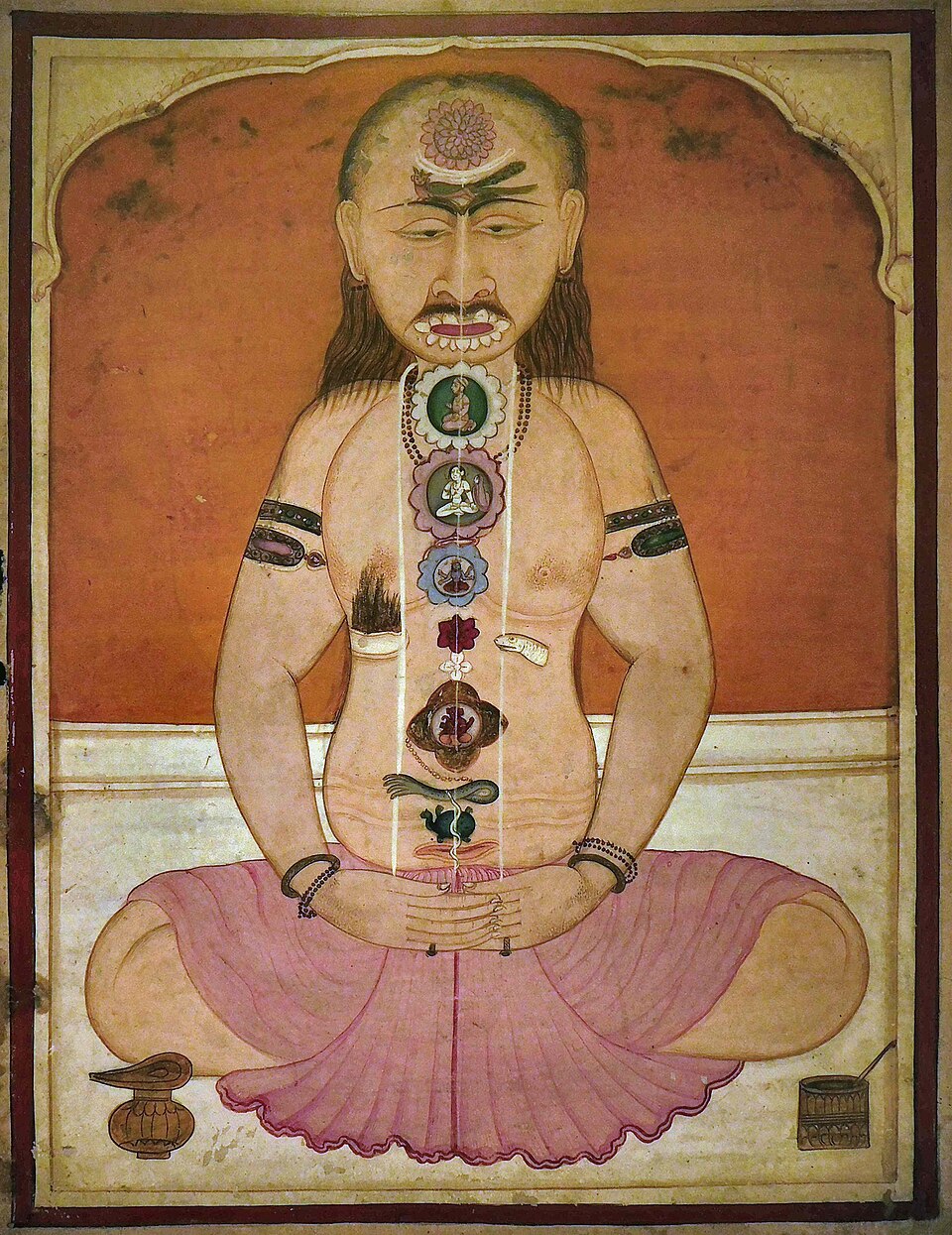
Chakra diagrams are now familiar on posters and wellness products. Their apparent simplicity can be misleading. Traditions have used different arrangements of subtle centres, and a modern seven-colour chart…