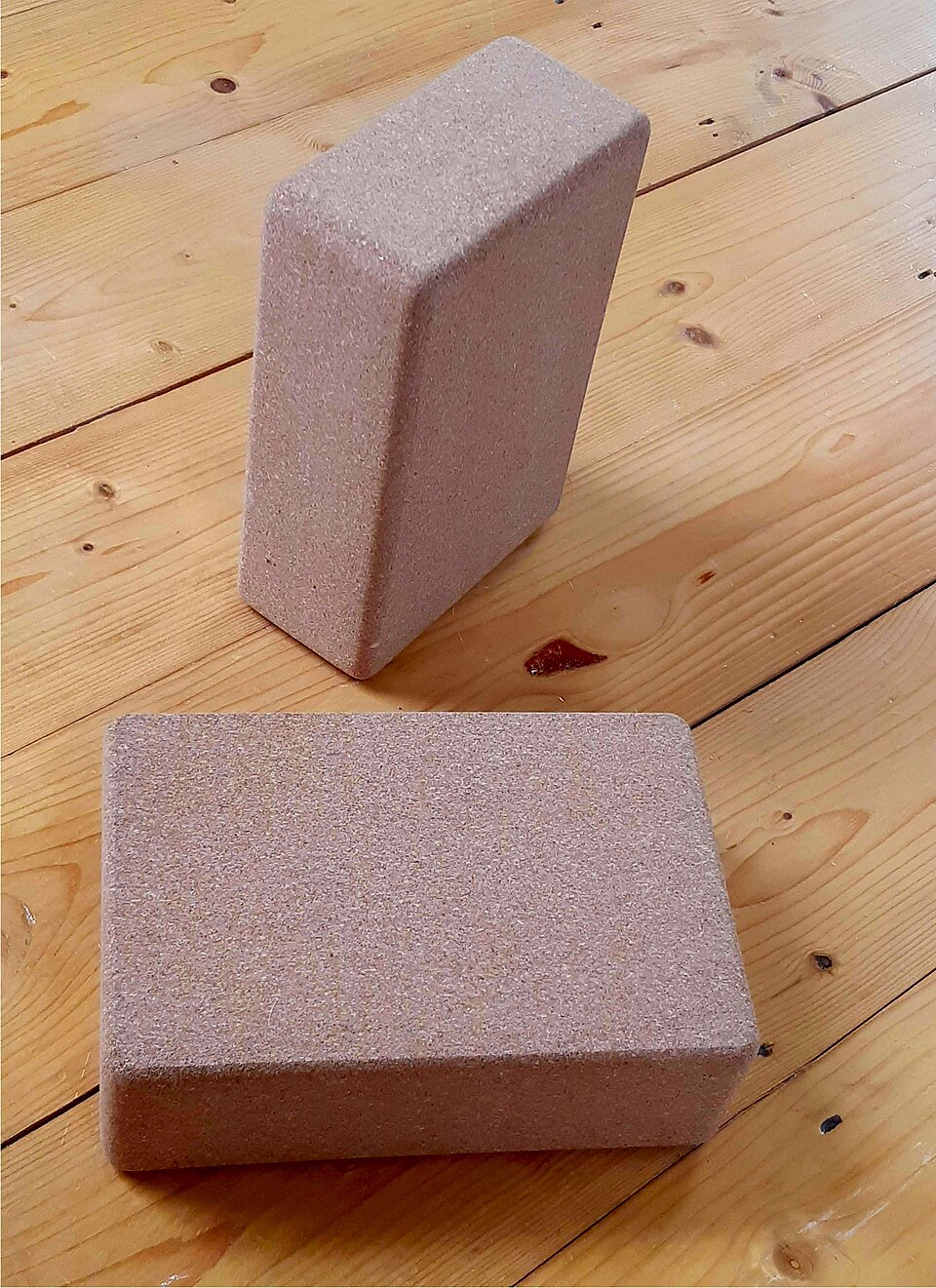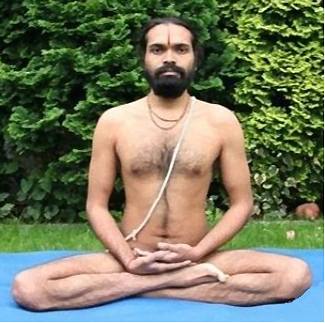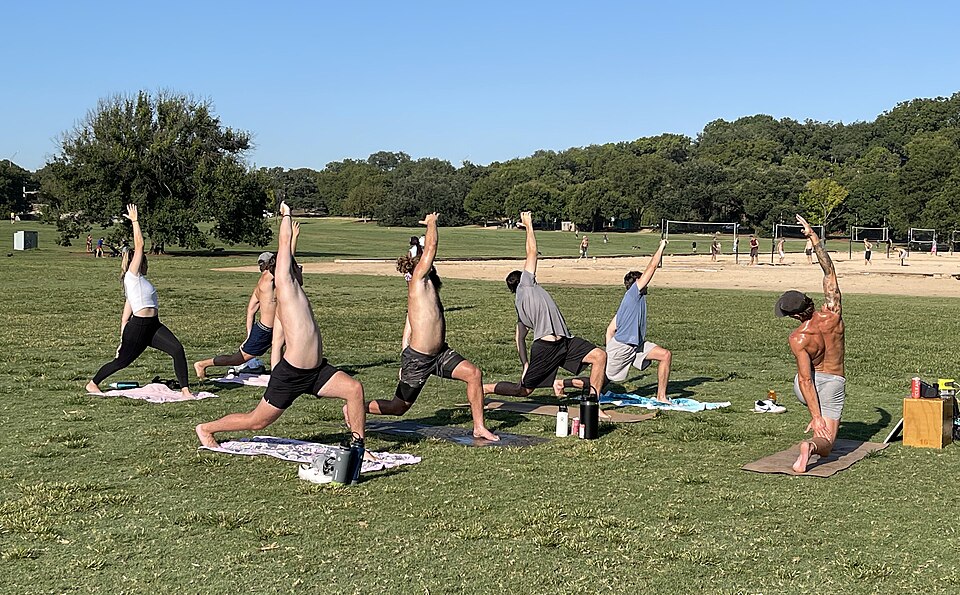
A photograph can show the shape of a posture, the setting and the moment chosen by the photographer. It cannot show the whole practice behind the image. Remembering that limit changes how we read yoga pictures and how we choose images for a cultural website.
A still frame leaves things out
You cannot reliably infer a person's breathing, comfort or preparation from an attractive pose. Nor can you see the instruction they received or the adjustments made before the shutter was pressed. A photograph may be a performance, a demonstration or a moment within a longer class.
Look at its caption. Does it identify the activity and setting, or promise health effects that the image cannot demonstrate? A flexible body is not evidence of spiritual attainment, and a dramatic landscape does not make an unfamiliar exercise appropriate to copy.
Yoga has more than one visible form
The UNESCO account of yoga as intangible cultural heritage describes a practice involving several dimensions, not merely physical display. Philosophical study, ethics, breath and meditation can be part of that wider context. Traditions and contemporary schools organise those dimensions differently.
An editorial image should therefore fit the article. A discussion of a text may be better illustrated by a manuscript than an advanced balance. A practical account of a class may need a room or teaching scene. Using the same impressive pose for every topic hides the differences the writing is trying to explain.
Make comparisons carefully
Comparing your body with a selected photograph is an unreliable way to judge learning. The image may show years of preparation, a person's particular abilities or a moment selected from many attempts. It may also have been cropped in ways that remove useful context.
In a class, ask what the activity is intended to teach and how it can be adapted. Progress might involve clearer understanding or a more appropriate choice, rather than reproducing a silhouette. A qualified teacher should be able to explain the purpose beyond its appearance.
Make better photographs and captions
If documenting a session, obtain permission, identify the setting accurately and avoid implying that participants endorse a health claim. Do not stage an unsafe position for a more striking picture. Preserve information about when and where the image was made.
A useful caption describes what is visible and what remains outside the frame. That kind of modest precision can make a yoga article more trustworthy than a spectacular image surrounded by claims it cannot support.