The Mahapuranas form a large and varied body of Sanskrit literature. The familiar number eighteen identifies a received grouping, not eighteen books with identical contents or a single simple publication history. For a new reader, choosing a manageable passage is more useful than memorising a list and assuming the subject is covered.
More than stories alone
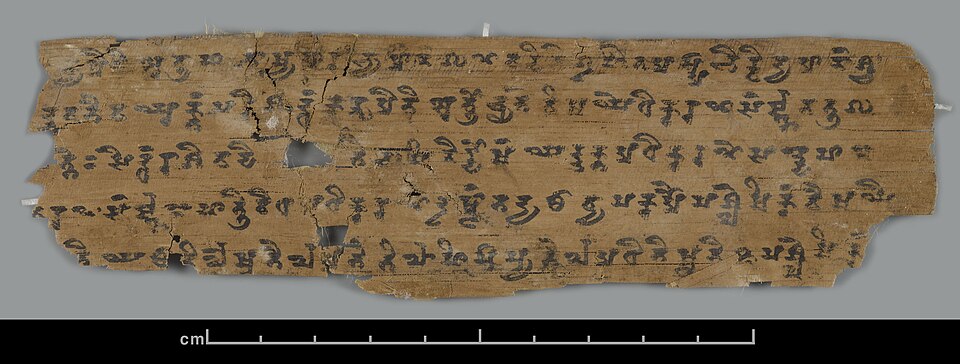
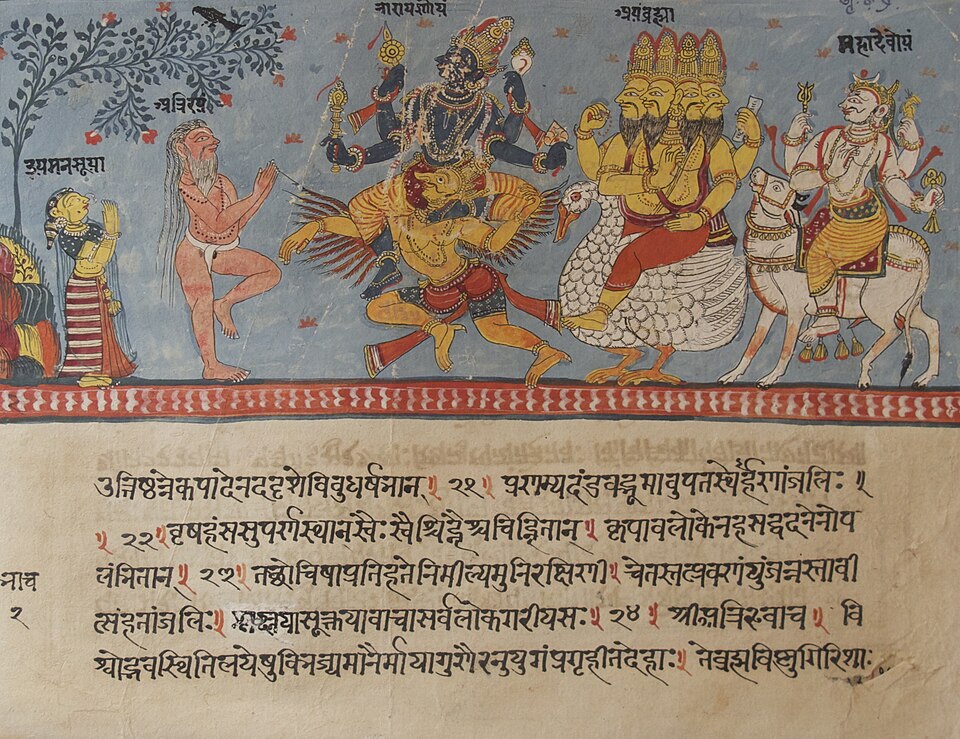
Puranic works can include narratives, genealogies, sacred geography, ritual material and theological discussion. Their range helps explain why they have shaped both religious learning and local traditions. A story heard at a temple may belong to a much larger textual setting.
Traditional attribution to Vyasa is important within the tradition. It should be distinguished from a modern claim that every surviving passage was composed at one moment by a single securely dated author. Compilation and transmission are significant parts of the history of these works.
Follow an interest, then identify the source
If a particular story interests you, find a translation that gives the Purana, section and chapter. Read the material immediately before and after it. That context can reveal why the story is being told and who is speaking.
Avoid relying entirely on unattributed summaries. A modern retelling can be enjoyable, but readers should know whether they are reading translation, paraphrase or creative adaptation. Those are different kinds of work.
Expect variation
A narrative may appear in more than one text with different details. Variations can reflect different theological aims and settings. They need not be forced into a single composite account. Sometimes the comparison itself is the most interesting part of study.
Note the difference without turning it into a competition over which community tells the only legitimate story. A careful reader can respect a living tradition while also asking textual questions.
Make a small reading plan
Choose one episode, write down its main sequence, then record one question about its meaning. Return to that question after reading a commentary or introduction. This is a more sustainable beginning than attempting several long volumes at once.
When sharing a passage, include enough reference information for someone else to find it. That simple courtesy makes cultural discussion more reliable. The Mahapuranas become easier to approach when their variety is treated as something to explore, rather than hidden behind a promise that every text teaches exactly the same lesson.
Sources & further reading
www.wisdomlib.org — reference and further reading. Interpretive reflections and practical reading suggestions in this article are the website’s own explanatory material. Check current official arrangements before travelling.