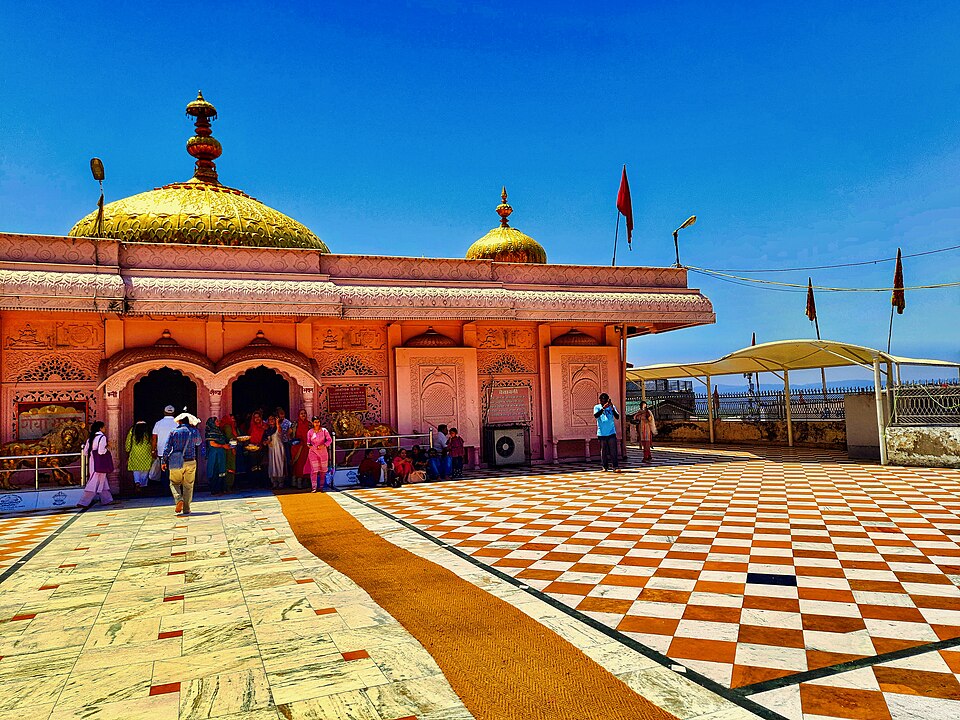
Jwalamukhi in Himachal Pradesh is known for sacred flames that are central to the shrine’s worship. The flames give the temple a distinctive character. A useful account can describe their religious significance without claiming that they burn “without any fuel,” a phrase that confuses wonder with physical explanation.
What devotees revere
The flame is approached as a manifestation of the Goddess. Within Shakti Peetha traditions, the shrine is also associated with Sati. These connections give the place its devotional meaning, while the physical occurrence of flame raises a different kind of question.
An account should not imply that identifying a natural fuel source would disprove devotion. Religious reverence and physical explanation concern different aspects of the experience. Equally, faith is not evidence that ordinary combustion requires no fuel.
Be precise with stories
Popular accounts include rulers, offerings and attempts to understand or extinguish the flames. Such narratives should be attributed as local or devotional traditions unless a reliable historical source establishes the event. A memorable story is not automatically a documented fact.
When several sources repeat the same sentence, repetition alone does not verify it. Look for where the account originated and whether the writer identifies evidence. This habit is especially useful for temples described through miracle headlines.
Prepare for the actual visit
Check current temple information for access and observances. Give space to other worshippers and follow directions near flames and crowded areas. Do not reach across barriers or place an offering where staff have not directed you to do so.
If travelling with children, explain beforehand that the flame is part of a sacred setting and must also be treated with ordinary care. Respect and practical caution support each other.
Take away a particular observation
Notice how worship is organised around flame rather than assuming that the temple must resemble a shrine centred on a conventional sculpted image. That difference is part of what makes Jwalamukhi worth learning about.
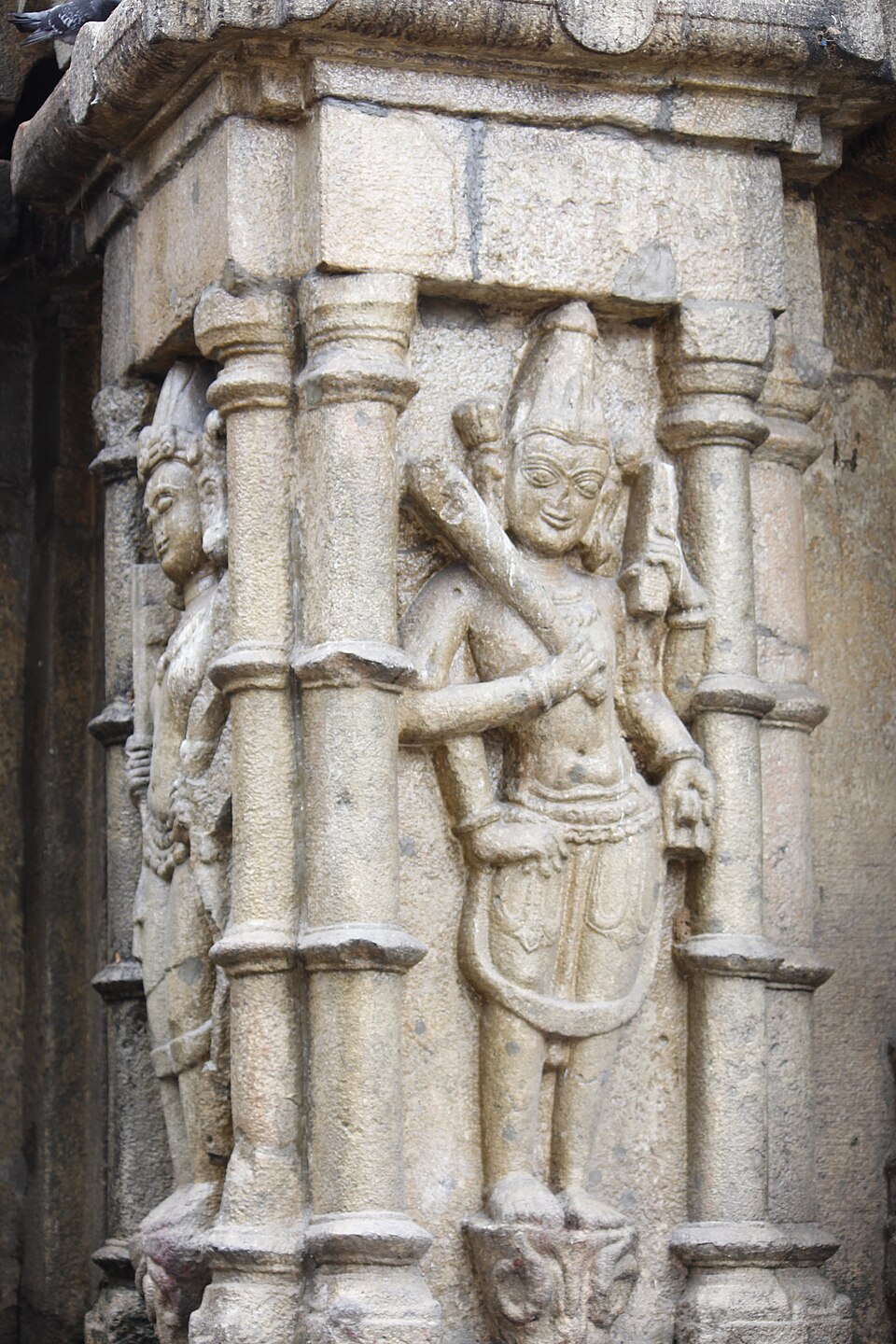
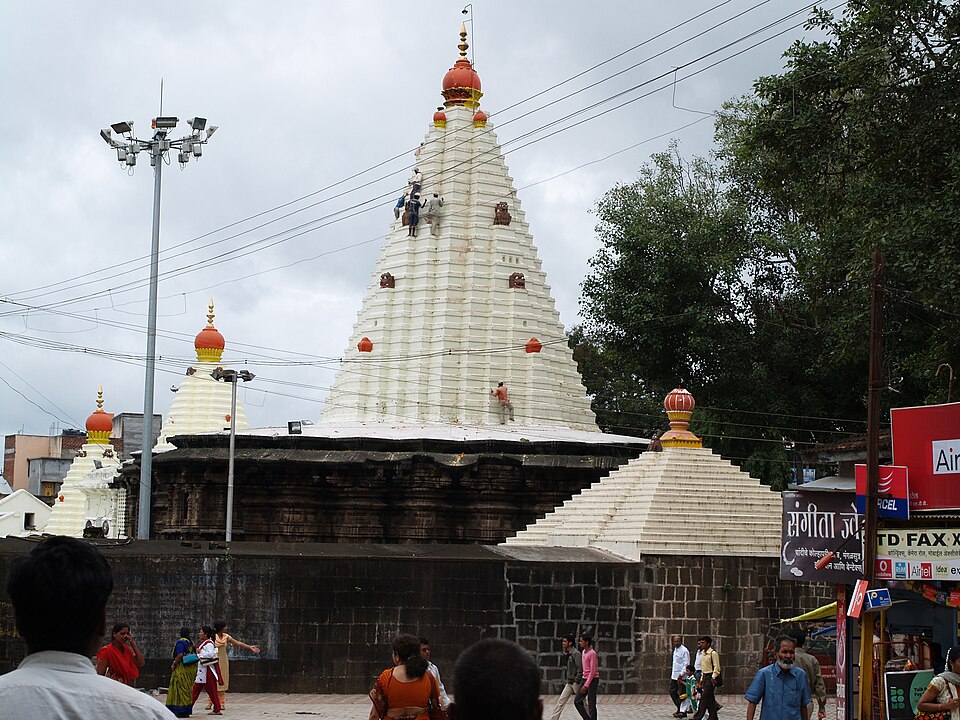
Use photographs with accurate captions, and avoid substituting a generic lamp picture for a documented view of the shrine without saying so. The place can be described with warmth and curiosity while maintaining a clear boundary between what is observed, what is traditionally believed and what remains to be verified.
Sources & further reading
hptourism.gov.in — reference and further reading. Interpretive reflections and practical reading suggestions in this article are the website’s own explanatory material. Check current official arrangements before travelling.