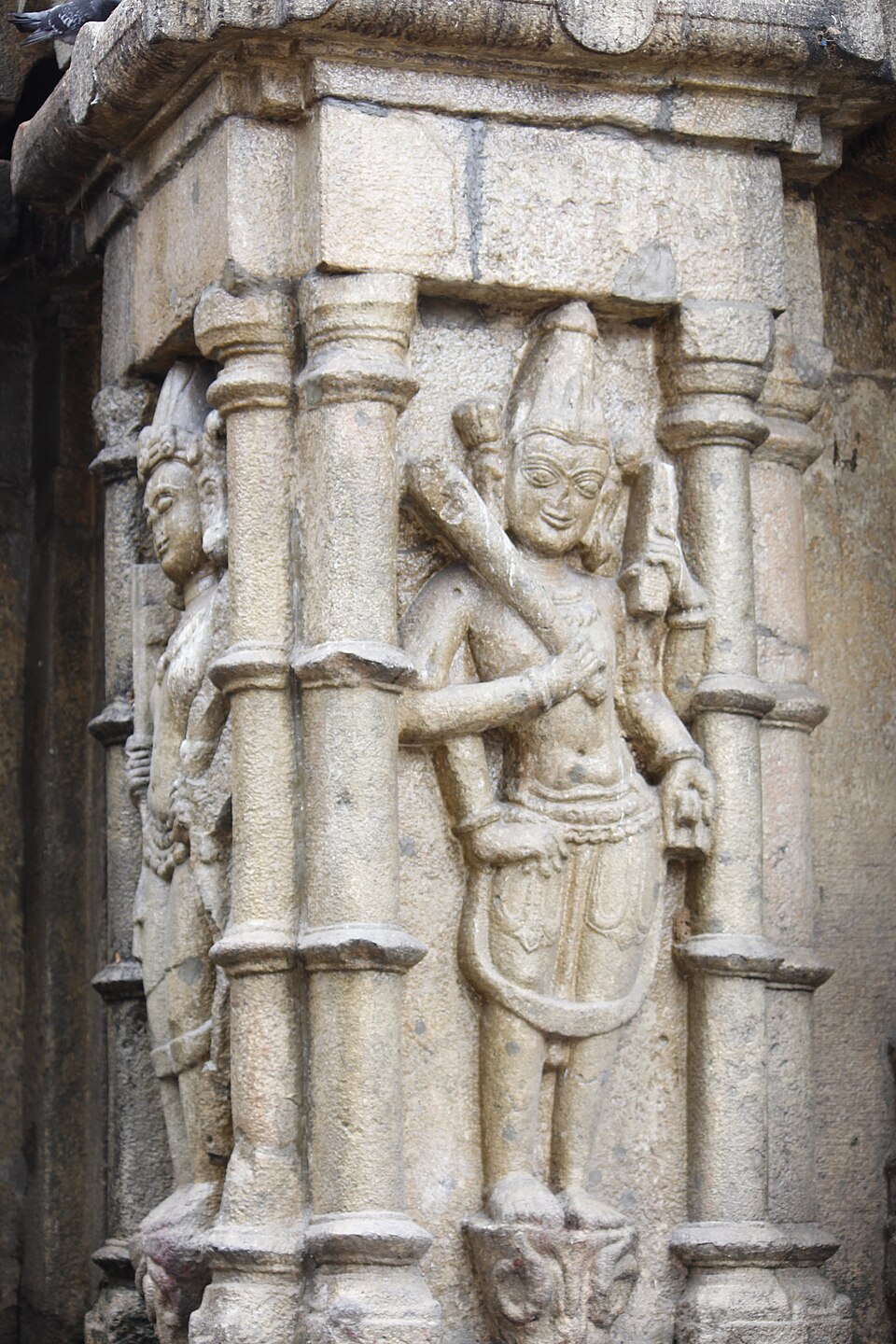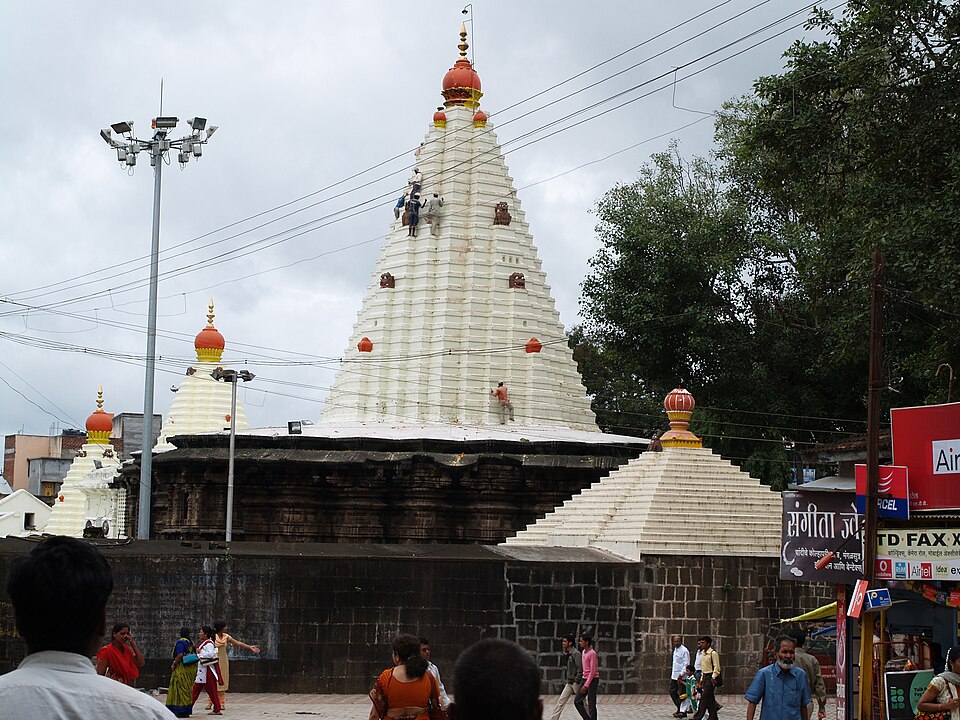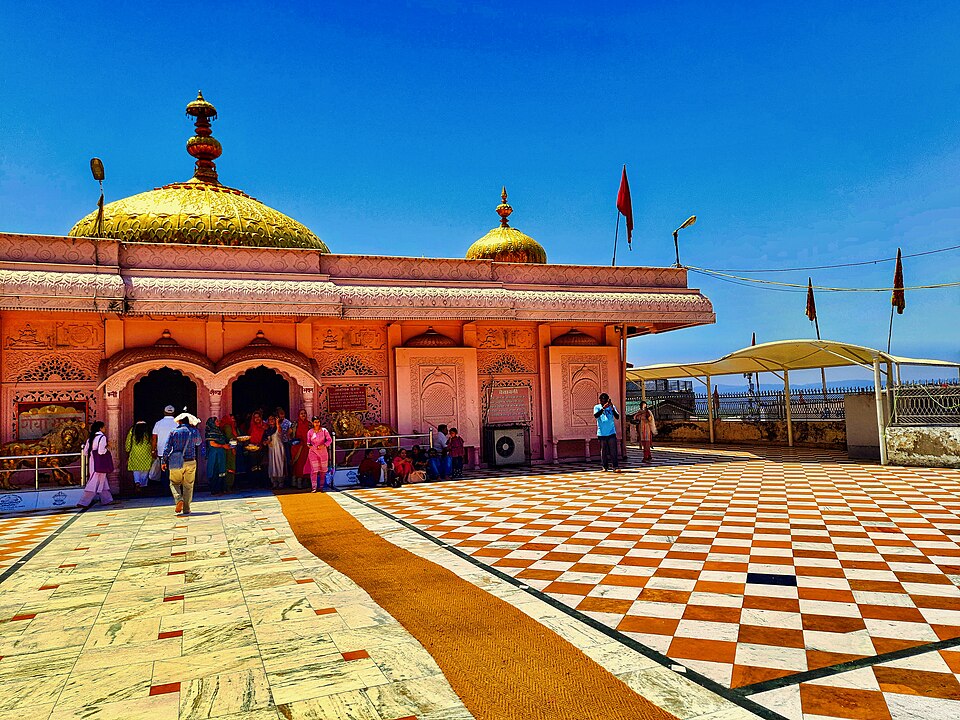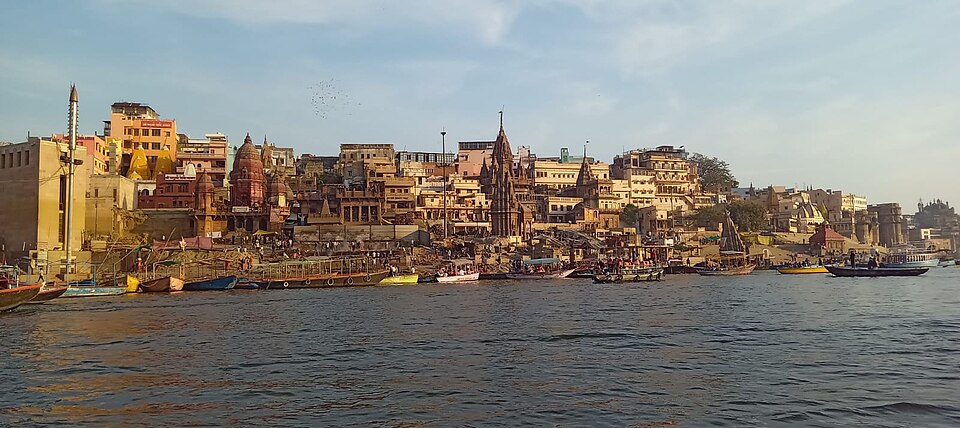
The Sapta Puri are seven cities held sacred in a familiar Hindu pilgrimage tradition: Ayodhya, Mathura, Haridwar, Kashi, Kanchipuram, Ujjain and Dwarka. Names such as Maya and Avantika may appear in traditional lists for Haridwar and Ujjain. Recognising those names helps a reader connect a verse with a present-day map.
A sacred list is not a claim that the cities are alike
The places are associated with different deities, narratives, institutions and regional cultures. A visitor to Kanchipuram encounters a different architectural and linguistic setting from a visitor to Dwarka. Their shared place in a list should not erase those distinctions.
Claims about liberation belong to the devotional significance of the cities. A website should describe that belief respectfully without guaranteeing a spiritual outcome to every traveller. It should also avoid treating the list as a ranking of cities or communities.
Learn one place before planning all seven
Choose a destination that is practical for your circumstances. Read about its central temples, local transport and current visitor arrangements. A journey becomes more manageable when its purpose is clear: worship, architectural study, family tradition or a combination of interests.
Completing a circuit is not the only meaningful approach. A person may return to one city repeatedly and continue discovering new layers of its religious life. Depth of attention cannot be measured by the number of place names visited.
Cities are lived spaces
Pilgrimage towns contain homes, schools, shops and working routines. Keep noise and photography considerate, especially in narrow lanes and residential areas. Ask before photographing people and avoid treating daily life as a backdrop arranged for visitors.
Use current maps and official local information when planning movement between sites. “Walking distance” depends on heat, crowding and personal mobility, not just a number of metres. Allow time for rest and unexpected delays.
Make a useful comparison
After visiting or reading about two cities, compare a specific feature: the relation to a river, the layout of a temple approach or the role of a festival. Specific comparison is more informative than saying that every city radiates the same energy.
The Sapta Puri tradition offers a way to think about sacred geography across difference. A clear guide gives readers the names and connections while leaving room for each city’s particular history and present community.
Sources & further reading
www.incredibleindia.gov.in — reference and further reading. Interpretive reflections and practical reading suggestions in this article are the website’s own explanatory material. Check current official arrangements before travelling.