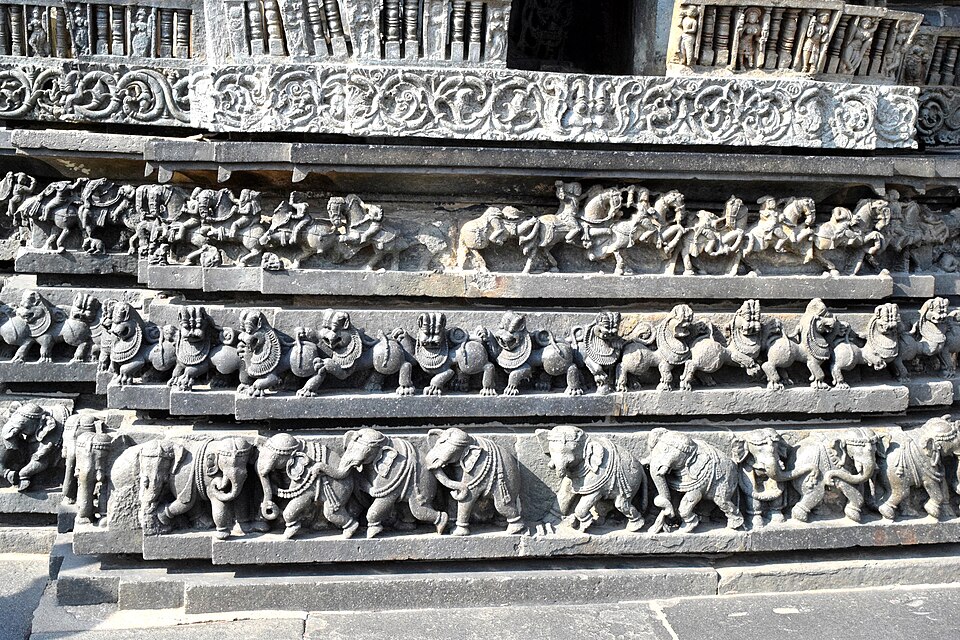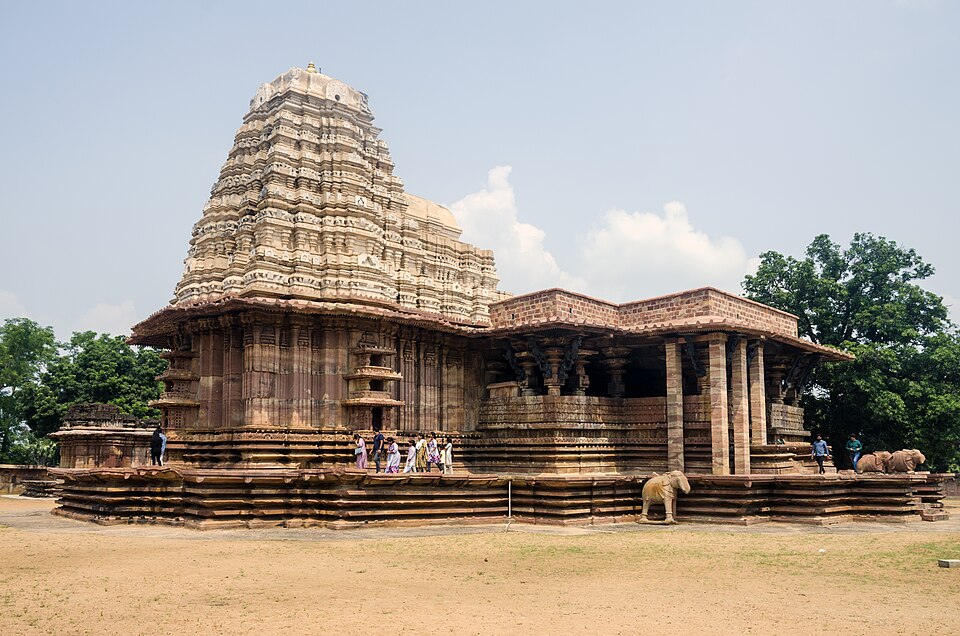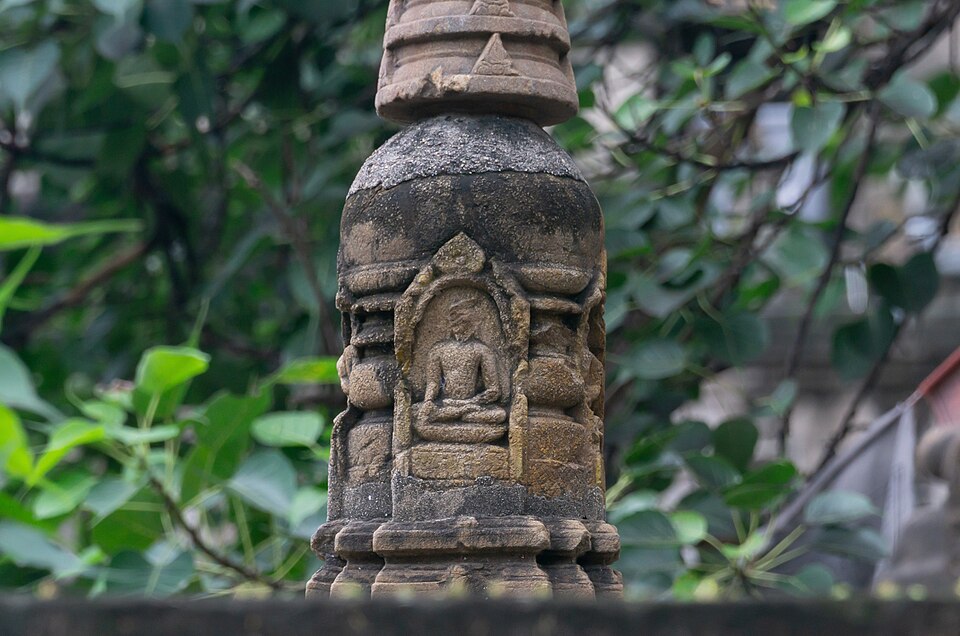
Champaner and Pavagadh make more sense as a landscape than as a checklist. The hill, archaeological remains, religious places and routes between them belong to different periods and uses. Trying to fit everything into one short stop can blur those differences. A better beginning is to separate what you want to understand at ground level from the experience of ascending the hill.
Hold several histories together
UNESCO describes Champaner-Pavagadh as a cultural landscape containing archaeological, architectural and living religious elements. That mixture is the point. A mosque, a fortification and a pilgrimage route need not tell the same story or belong to the same building campaign.
Draw a rough two-part itinerary: the lower monuments and the hill. Mark travel and waiting time separately from time spent looking. This simple distinction helps prevent a hurried transfer from consuming the attention you hoped to give the buildings.
Read the mosque as a building
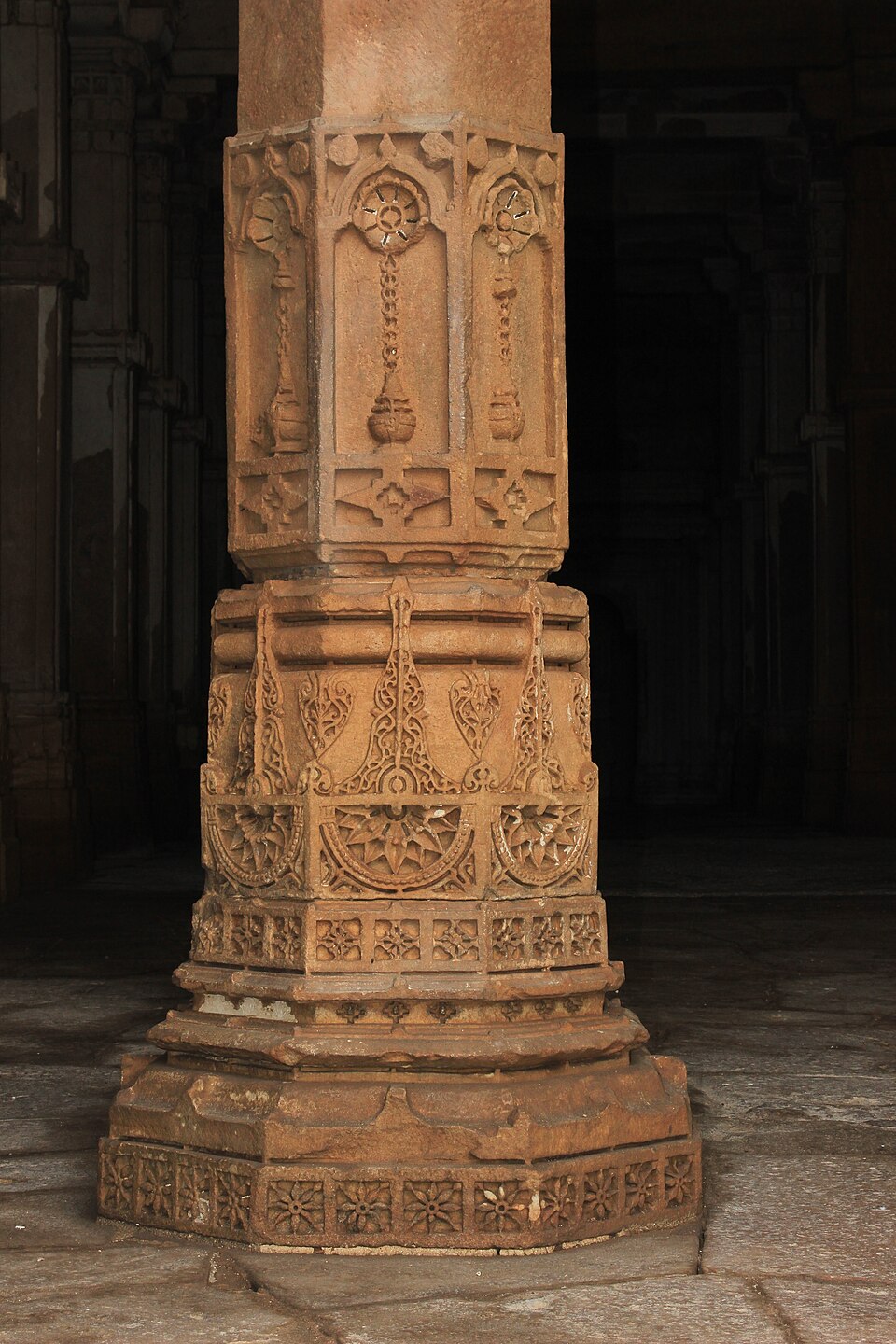
At the Jami Masjid, begin with the overall arrangement of courtyard, prayer space and entrances. Then study a small area of stonework. Repeated columns, carved surfaces and the organisation of light become easier to understand once you know where you are standing in relation to the whole.
Words such as “influence” and “fusion” can be useful, but they should introduce a precise comparison. Ask which feature is being compared: a support, an opening, an ornamental pattern or the plan itself. A vague label should not replace looking at the actual work of the builders.
Understand the hill as a living destination
For many visitors, Pavagadh is primarily a place of devotion. Their route, timing and priorities may differ from those of an architectural visitor. Allow for worship and queues, and check the current arrangements through the responsible local services rather than relying on an old travel description.
Do not present the archaeological park as if every part were an abandoned ruin. Equally, do not assume that an active sacred place explains the function of every nearby historic structure. Several kinds of evidence can coexist in one landscape.
Leave with a connected account
Choose a pair of observations: perhaps an approach to a monument and a change in view as the ground rises. Describe what each tells you about movement through the area. Keep documented history separate from local stories, recording the speaker or source when you can.
Comfortable pacing matters here. A visit that leaves time to read one building properly can be more satisfying than a long list completed without context. The connection between hill and town will remain, even if your first visit explores only part of it.
Sources & further reading
UNESCO World Heritage Centre — site history and significance