Ramappa Temple invites two kinds of attention at once. One concerns the building’s materials and structure; the other follows the lively detail of its sculpture. Popular accounts sometimes compress both into a miracle story. A closer visit is more rewarding when it asks which features are documented and how they can actually be seen.
Place the building in context
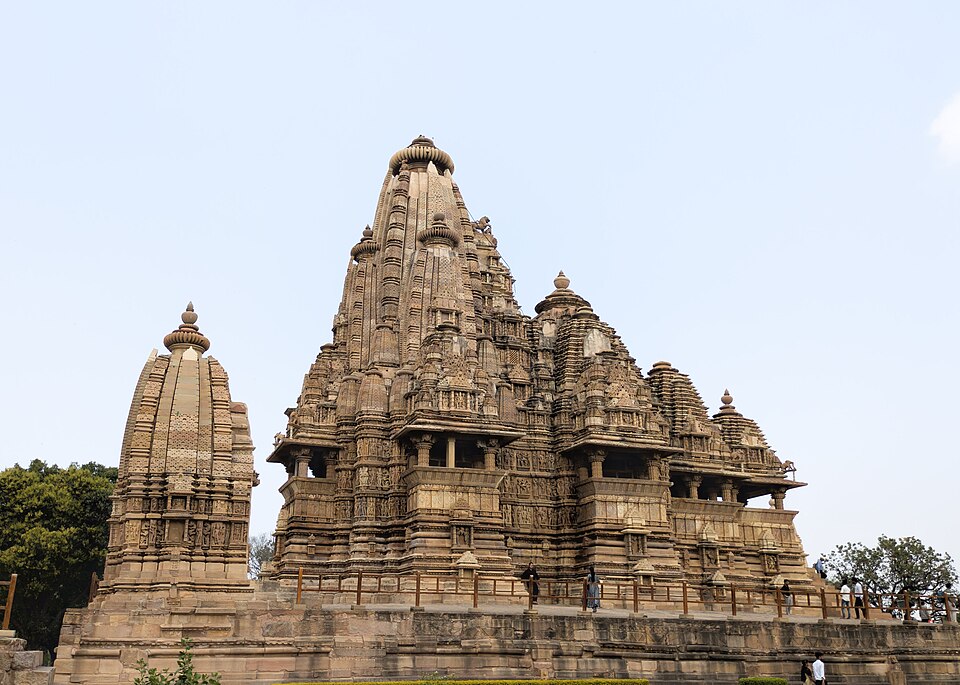
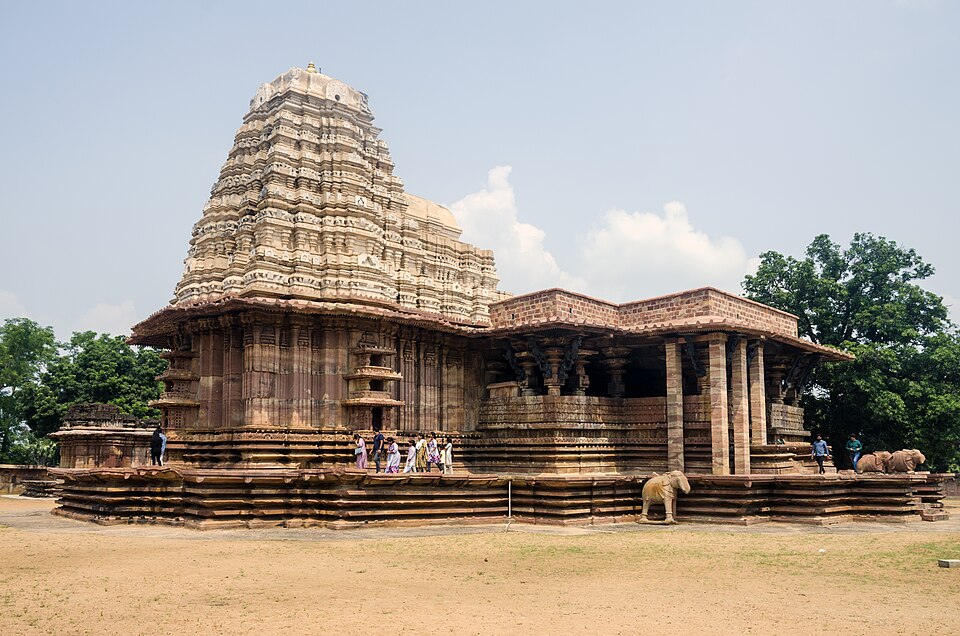
The Kakatiya Rudreshwara temple, commonly called Ramappa, stands at Palampet in Telangana. UNESCO’s account discusses its early thirteenth-century context, construction materials and sculptural achievement. Use that documented framework before considering claims encountered in a short video or tour advertisement.
The familiar name of a monument can have its own history. If you hear an explanation linking the name to a craftsperson, note the source and distinguish the naming tradition from a complete record of everybody involved in construction.
Look at how materials meet
Observe differences between surfaces rather than assuming the temple is made of one uniform stone. Colour, finish and placement can help introduce questions about why particular materials were used in particular parts. A published conservation account is the right place to pursue technical answers.
Stories about lightweight bricks are not an invitation to test historic material. Never remove, wet or handle a piece to reproduce a demonstration. Knowing that a material has a notable property is different from having permission to experiment on a monument.
Give the figures their space
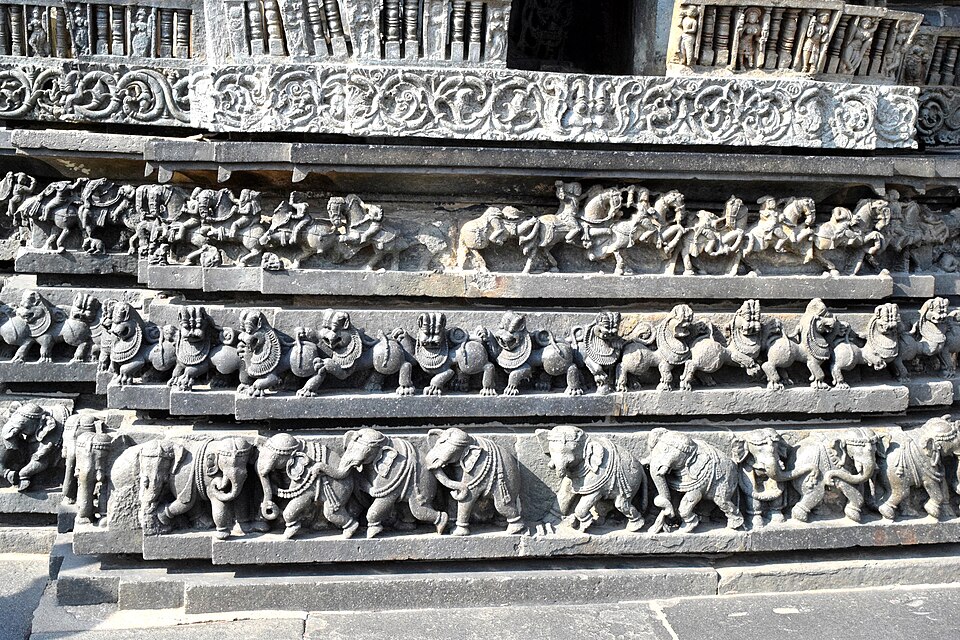
The sculptural details reward careful looking at posture and balance. Select one figure and notice the relationship between the body, ornament and architectural support. Where does the carved form project into space, and where does it remain attached?
A photograph with some surrounding architecture is often more informative than an extreme close-up. It preserves the reason the figure is placed there. Keep identifications grounded in a guide or reliable description, especially when several similar figures are discussed under different names.
Separate admiration from exaggeration
It is possible to admire sophisticated construction without claiming that every modern engineer is unable to understand it. Questions about foundations, materials and conservation have evidence-based answers, although those answers may be more complicated than a popular slogan.
Before leaving, write down one observation about structure and one about sculpture. Follow each with a question for further reading. This keeps the visit open-ended in a useful way: the temple becomes a reason to learn about Kakatiya art and building practice, rather than simply another place described as inexplicable.
Sources & further reading
UNESCO World Heritage Centre — site history and significance