Namaste is widely recognised as an Indian greeting, often accompanied by palms joined together. Its familiarity can make it seem as though one elaborate English sentence must explain every use. In practice, a greeting gains meaning from language, relationship and situation as well as from its literal components.
Begin with a modest translation
The expression is commonly understood through an act of salutation directed towards the other person. Popular phrases about the divine in one person greeting the divine in another can be devotional interpretations, but they should not automatically be presented as a word-for-word translation.
That distinction does not make the greeting less meaningful. A simple act of respect can carry warmth without requiring every speaker to intend a full philosophical statement each time they use it.
The gesture has several settings
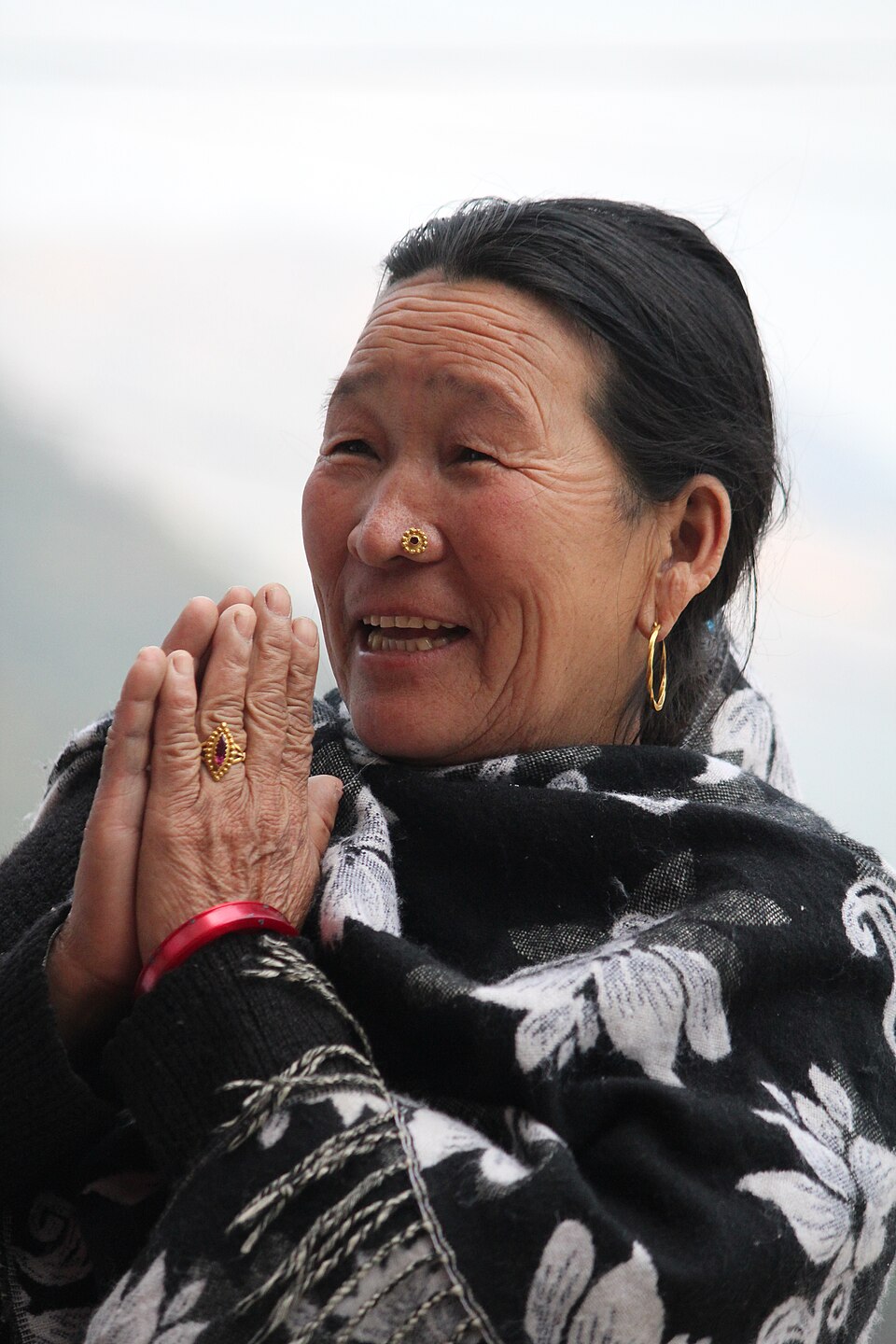
Joined palms can appear in greeting, prayer, thanks or a respectful request. The position and context help communicate what is intended. A photograph of the gesture alone cannot establish the exact thought of the person making it.
Related greetings and forms of address vary across Indian languages and communities. Namaskar, pranam and other expressions have their own uses. There is no need to describe one as the only authentic way for all Indians to greet one another.
Use it naturally
If someone greets you with joined palms, responding in a similar respectful way can be appropriate. There is no need to exaggerate the gesture or treat it as a performance. Notice how people in the setting use it.
In a classroom or cultural event, explain the greeting without asking participants to adopt beliefs they do not hold. A respectful introduction can distinguish ordinary social use from devotional interpretation and allow people to understand the difference.
Avoid claims about hidden mechanisms
Assertions that pressing the palms activates a precise neurological circuit or guarantees concentration need evidence. The gesture does not require such a mechanism to be a useful form of greeting. Its visible quality is already clear: it offers recognition without demanding physical contact.
The most important part is often what follows. Listening attentively, pronouncing a person’s name carefully and responding courteously give practical substance to a greeting. Namaste is easier to understand when it remains connected with those ordinary acts rather than being burdened with claims every speaker must supposedly intend.
Sources & further reading
www.wisdomlib.org — reference and further reading. Interpretive reflections and practical reading suggestions in this article are the website’s own explanatory material. Check current official arrangements before travelling.