Navratri brings many forms of Goddess devotion into public and household life. The name refers to nine nights, but the ways those nights are observed vary. Garba in Gujarat, displays and visiting customs in southern India, and other regional celebrations should not be compressed into one supposedly universal schedule.
A shared theme with local forms
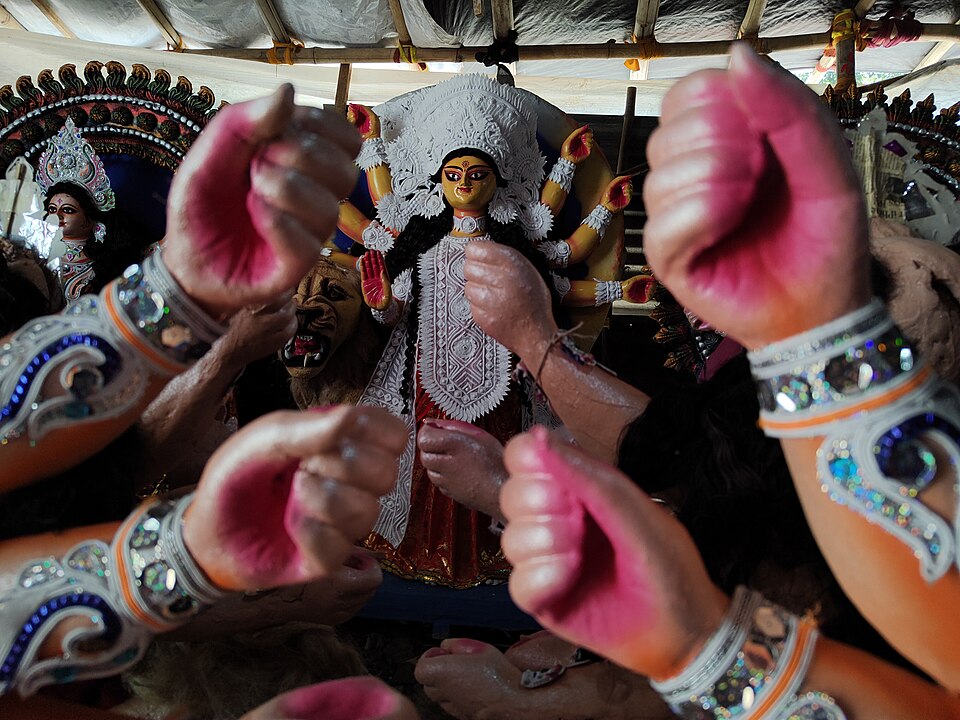
Lists of nine forms of Durga are familiar in many devotional settings. Families may also follow particular stories, foods, songs and ritual sequences. Ask which tradition a guide describes before assuming its instructions apply everywhere.
Colour lists circulated online can change from year to year or differ by publication. They should not be treated as a universal religious requirement. A person’s participation is not invalid because their clothing does not match a social-media chart.
Understand what you are joining
At a community event, find out whether there is a prayer, a dance sequence or a particular local custom before entering. Watch the rhythm and movement around you. Joining with attention is easier than trying to learn an entire practice from a few seconds of video.
Garba has its own cultural and devotional significance; it is not simply a generic party dance. Respect the setting and the people organising it. The music, central focus and community participation all contribute to the experience.
Fasting is not a competition
Household customs differ concerning food. No general cultural article can determine what is suitable for every individual, particularly where health conditions, pregnancy or medication are involved. Seek personal advice where needed and do not pressure others to follow a restrictive observance.
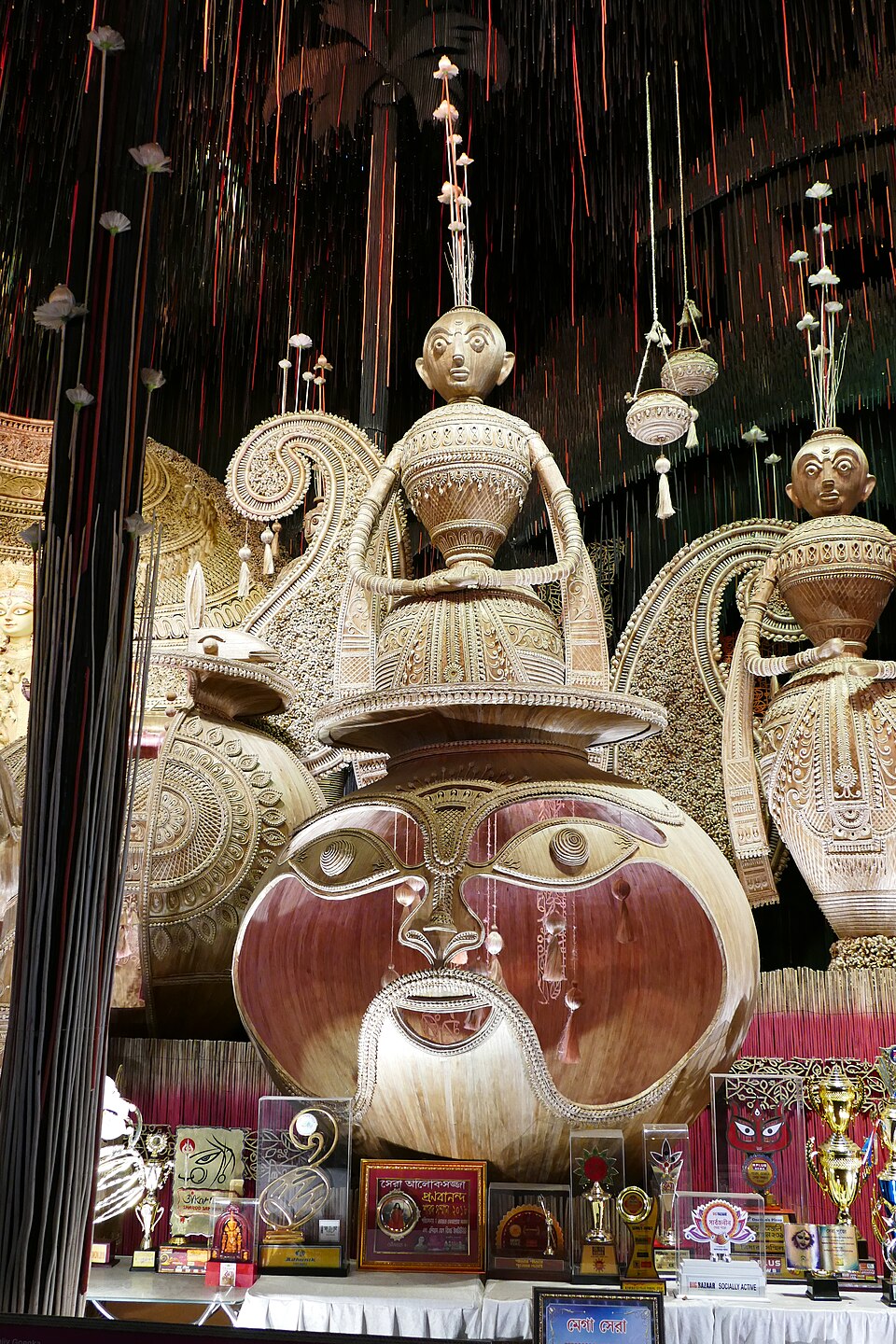
Similarly, elaborate decorations and expensive clothing are not a measure of sincerity. A simple observance can be thoughtful and welcoming. Participation should not depend on meeting a commercial standard of celebration.
Make room for others
Ask before photographing children or people at worship. Keep shared spaces clear and dispose of materials responsibly. If hosting, explain the programme in plain language so a newcomer knows when to join and when to observe.
At the end of the festival, consider what you learned about the particular community’s practice. That is more useful than claiming to have uncovered a single secret meaning behind every custom. Navratri’s richness includes the variety of ways people bring devotion into everyday life.
Sources & further reading
ich.unesco.org — reference and further reading. Interpretive reflections and practical reading suggestions in this article are the website’s own explanatory material. Check current official arrangements before travelling.