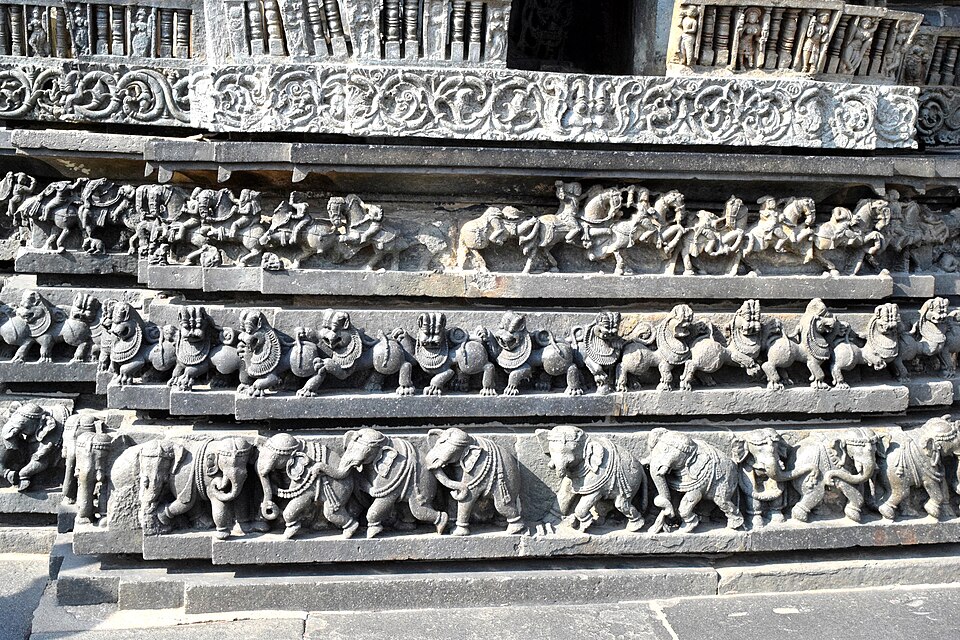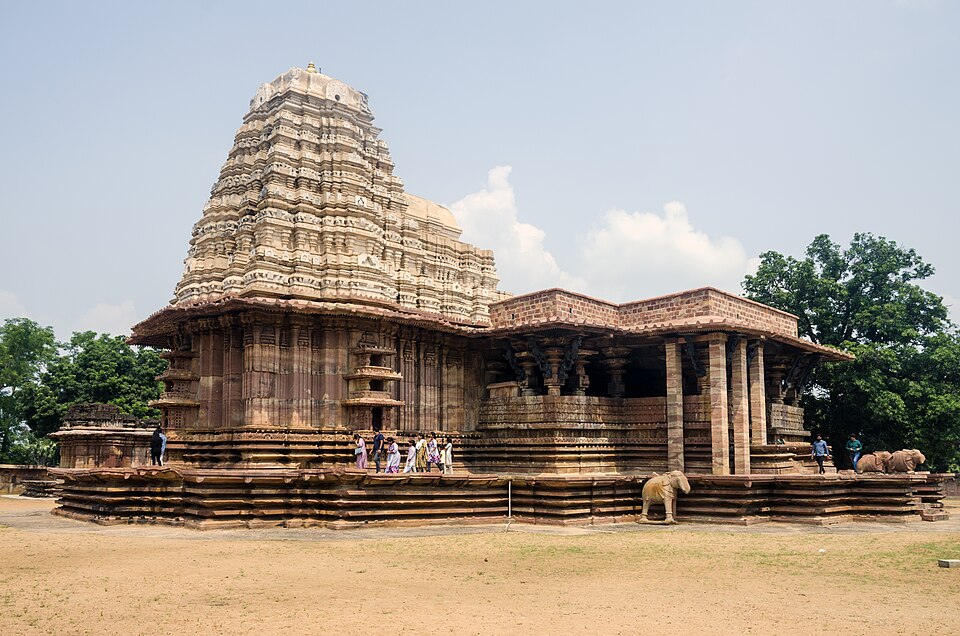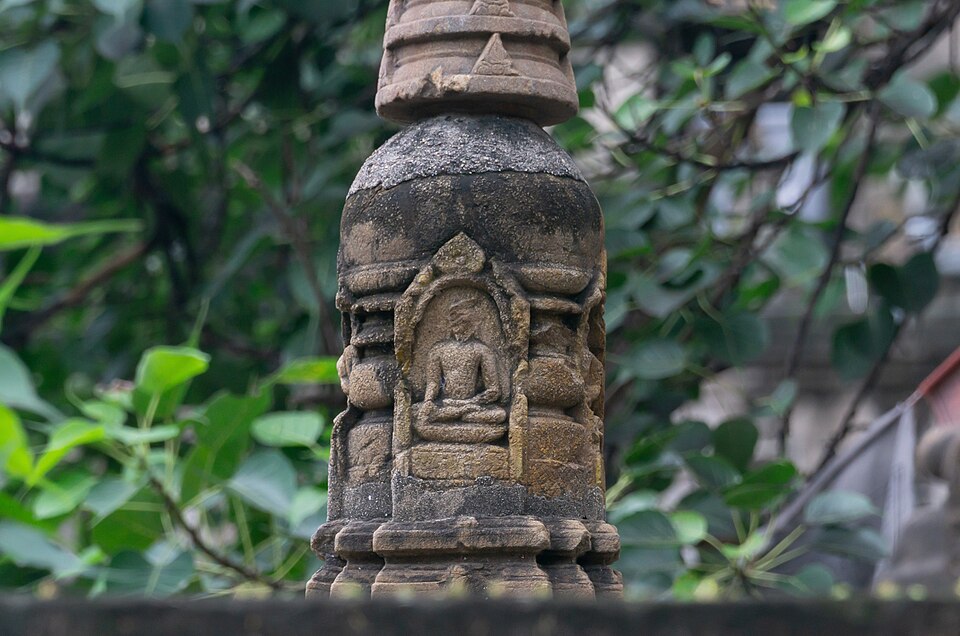
At Mahabalipuram, stone becomes architecture in more than one way. A relief spreads across a rock face, a monolithic shrine takes shape from a single mass, and a structural temple is assembled from building material. Seeing these approaches together is an unusually clear introduction to the choices hidden inside the everyday phrase “stone monument.”
Separate the methods
The Pallava-period monuments include rock-cut caves, monolithic rathas, large reliefs and structural temples. These categories describe how forms are made; they are not rankings of artistic worth. A smaller excavation can pose different challenges from a building constructed block by block.
Choose one example of each method on a map. You will then have a reason for moving between monuments beyond completing a standard route. Photographs of the joins, edges and relation to surrounding rock can help preserve the comparison.
Give the great relief its ambiguity
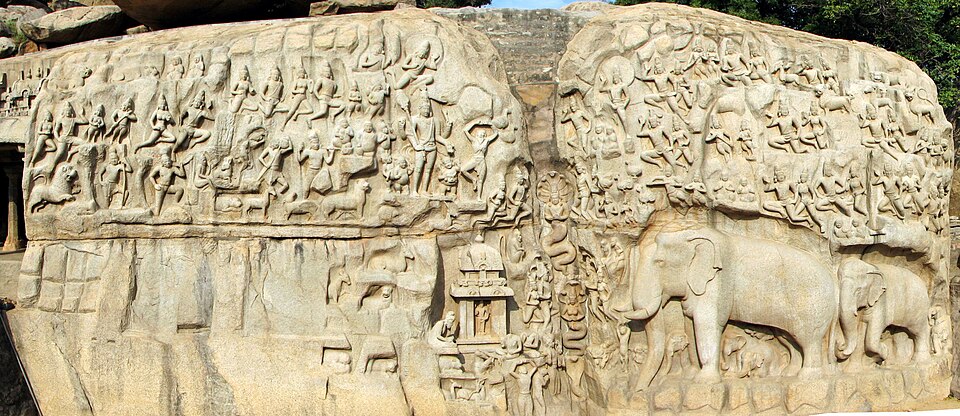
The large open-air relief is discussed through interpretations associated with the Descent of the Ganges and Arjuna’s penance. It is better to learn why these readings exist than to insist that a brief caption has settled every question.
Begin with the composition: the central cleft, the surrounding figures and the movement of attention across the surface. Identify a few animals and human or divine forms before looking for an explanation of the whole. The scale and variety reward looking at more than the best-known elephant group.
Do not read names as construction records
Names attached to the rathas can be familiar from epic stories. Familiarity should not lead you to conclude that the epic characters commissioned or occupied the monuments. Popular names, artistic subjects and historical patronage are different kinds of information.
At the Shore Temple, compare the experience of a building beside the sea with the rock formations elsewhere in the group. Exposure, maintenance and the surrounding view affect how a monument is encountered, although the view is not the same as a complete history of its purpose.
Use a three-image notebook
Select one photograph that shows excavation, another that shows a monolithic form and a third that shows a structural building. Write a sentence explaining the difference in each. This is a practical way to retain the visit without filling a notebook with unfamiliar technical words.
Follow the marked routes and avoid climbing on sculptural surfaces. The apparent solidity of stone does not make it immune to wear. Mahabalipuram’s range becomes most interesting when each method can be appreciated without treating the monuments as playground equipment or backdrops alone.
Sources & further reading
UNESCO World Heritage Centre — site history and significance