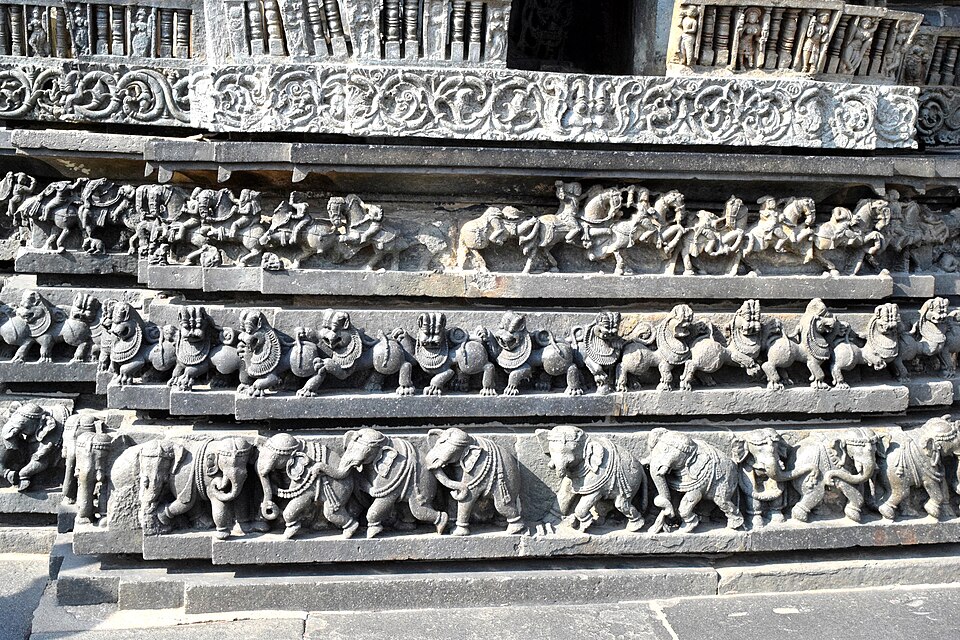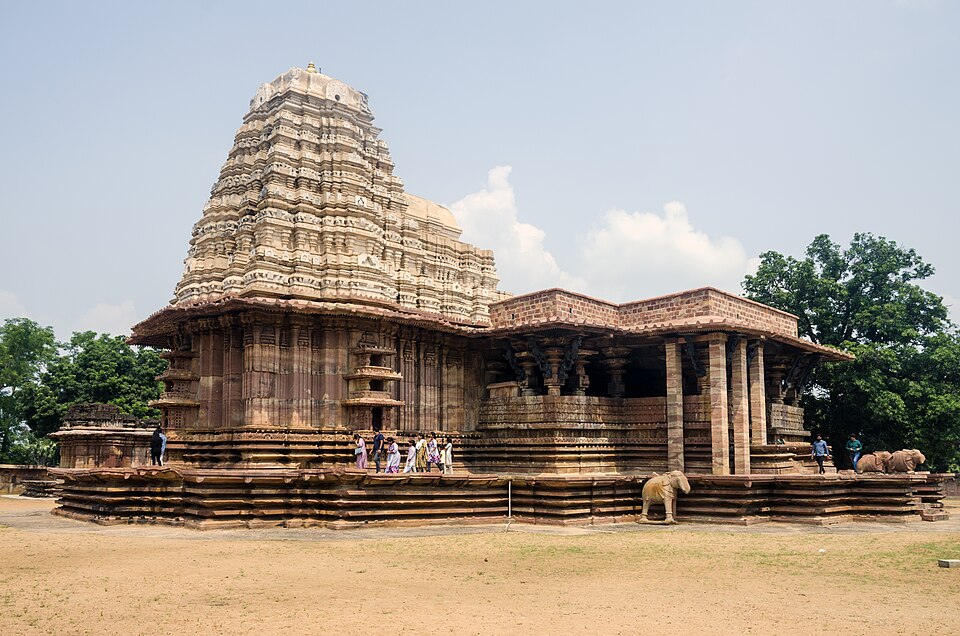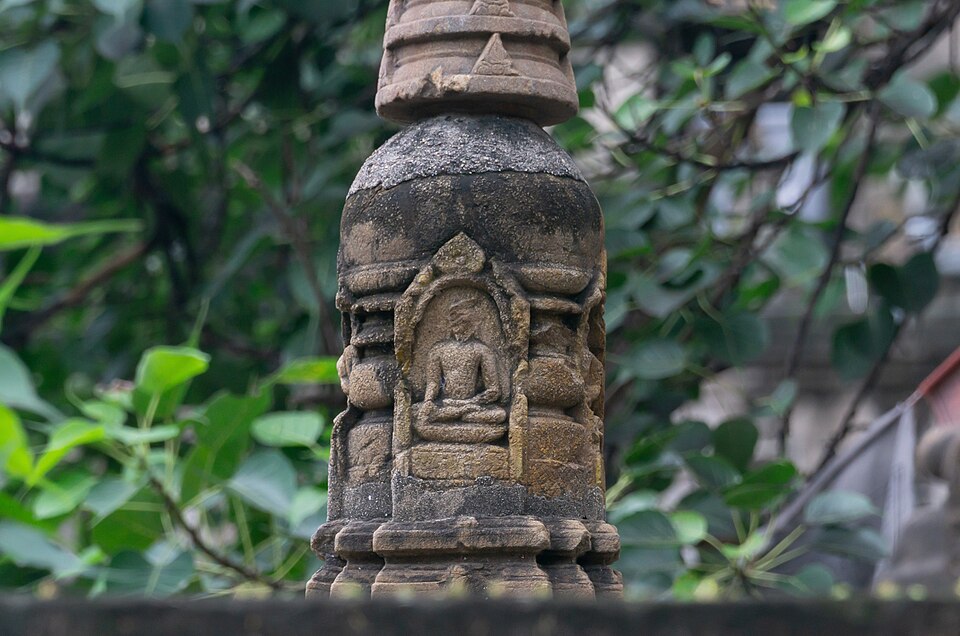
The stone chariot is a memorable image of Hampi, but a city cannot be understood through one object. Streets, markets, water structures, temples and courtly spaces reveal different parts of its organisation. Giving those less famous elements some attention turns a visit from a hunt for photographs into an exploration of how a large settlement fitted together.
Think in areas, not isolated stops
Hampi was a major centre of the Vijayanagara kingdom. Its surviving monuments spread across a substantial landscape, so nearby names on a list do not necessarily mean a short or simple walk. Use a site map to group visits before choosing a route.
Distinguish the experience of an active sacred area from that of an archaeological enclosure. Access, footwear expectations and the reasons people are present may differ. A temple serving worshippers is not just another empty room in a ruined city.
Let a street explain a building
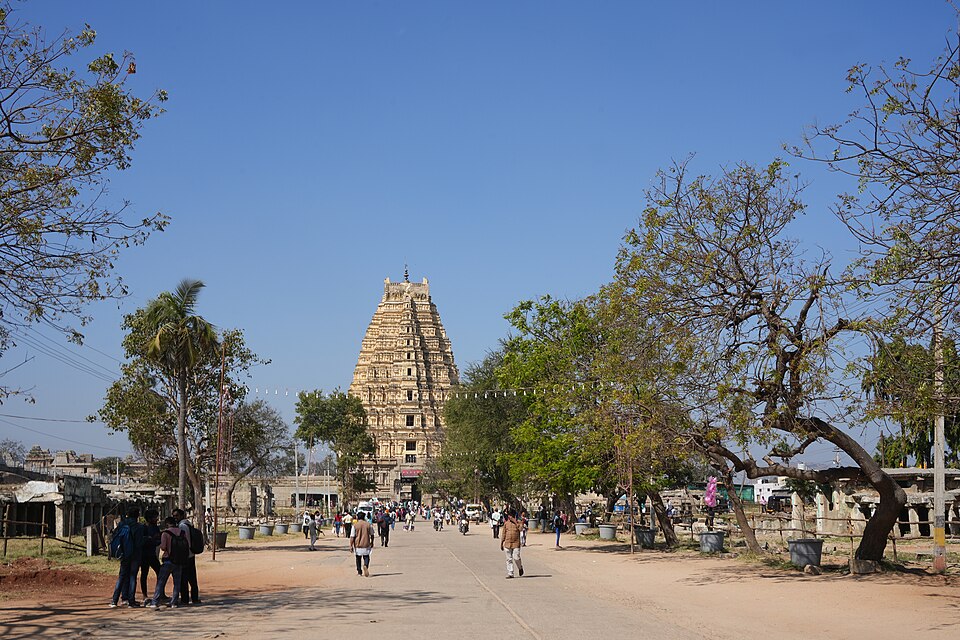
At a bazaar street, look along the route towards the monument it approaches. The arrangement can suggest how movement, exchange and ceremony were connected spatially. It is a useful counterbalance to close-up views of carved pillars.
Ask which features are documented as part of the market and which have been reconstructed or interpreted. Rows of stone elements are evidence, but they do not give a complete account of every commodity sold or every conversation that once took place there.
Notice the landscape’s work
Rock formations, slopes and the river are more than a scenic background. Consider how a route follows or crosses them and where water-related structures appear. A practical question about carrying water or moving goods can bring a distant city closer to ordinary experience.
This does not require turning every feature into a claim of unprecedented engineering. A clear description of one channel, enclosure or approach can be more impressive than a sweeping statement that cannot be checked.
Resist demonstrations that damage stone
Some buildings attract stories about sound-producing pillars or other remarkable properties. Do not strike, tap or encourage a demonstration on historic fabric. An account of a feature should come from responsible interpretation, not from repeating an action that may harm it.
Plan a route that leaves time for rest and reading, with current local information about access. Before leaving, connect three photographs: a street, a monument and a water or landscape feature. Together they will tell a richer story of Hampi than the chariot photograph alone, however beautiful that photograph may be.
Sources & further reading
UNESCO World Heritage Centre — site history and significance