The Bhagavad Gita opens with a question about those assembled at Kurukshetra, ready to fight. That setting matters. The dialogue arises within a conflict involving relatives, teachers and obligations; it is not a detached collection of motivational sayings. Reading the opening slowly keeps the human cost of the scene in view.
Begin with the question and its speaker
Dhritarashtra asks Sanjaya what the gathered parties did. The opening also calls Kurukshetra a dharmakshetra, a field associated with dharma. That pairing of a sacred field and impending violence creates a tension worth carrying into the rest of the dialogue, rather than resolving it immediately with a slogan.
Arjuna then asks for the chariot to stand between the armies. Seeing familiar people changes his response. A reader can follow that change through the first chapter before moving to the teachings that follow. The order matters: the questions are not an inconvenient preface to be skipped.
Place and sacred memory
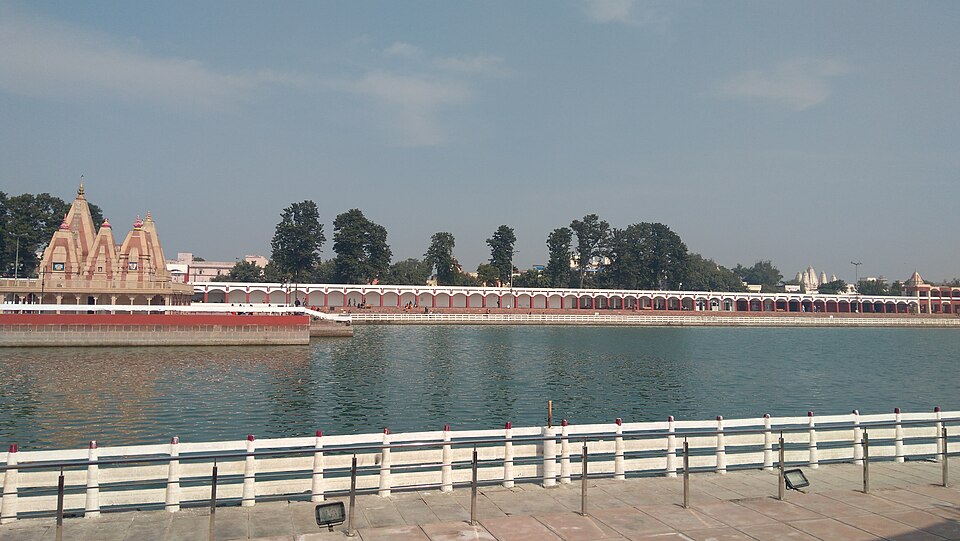
Kurukshetra in Haryana has a living landscape of pilgrimage sites, including Brahma Sarovar and Jyotisar. Local traditions connect places with episodes of the epic. A sacred association is important evidence of devotional memory; it does not, by itself, establish every detail of an ancient event archaeologically.
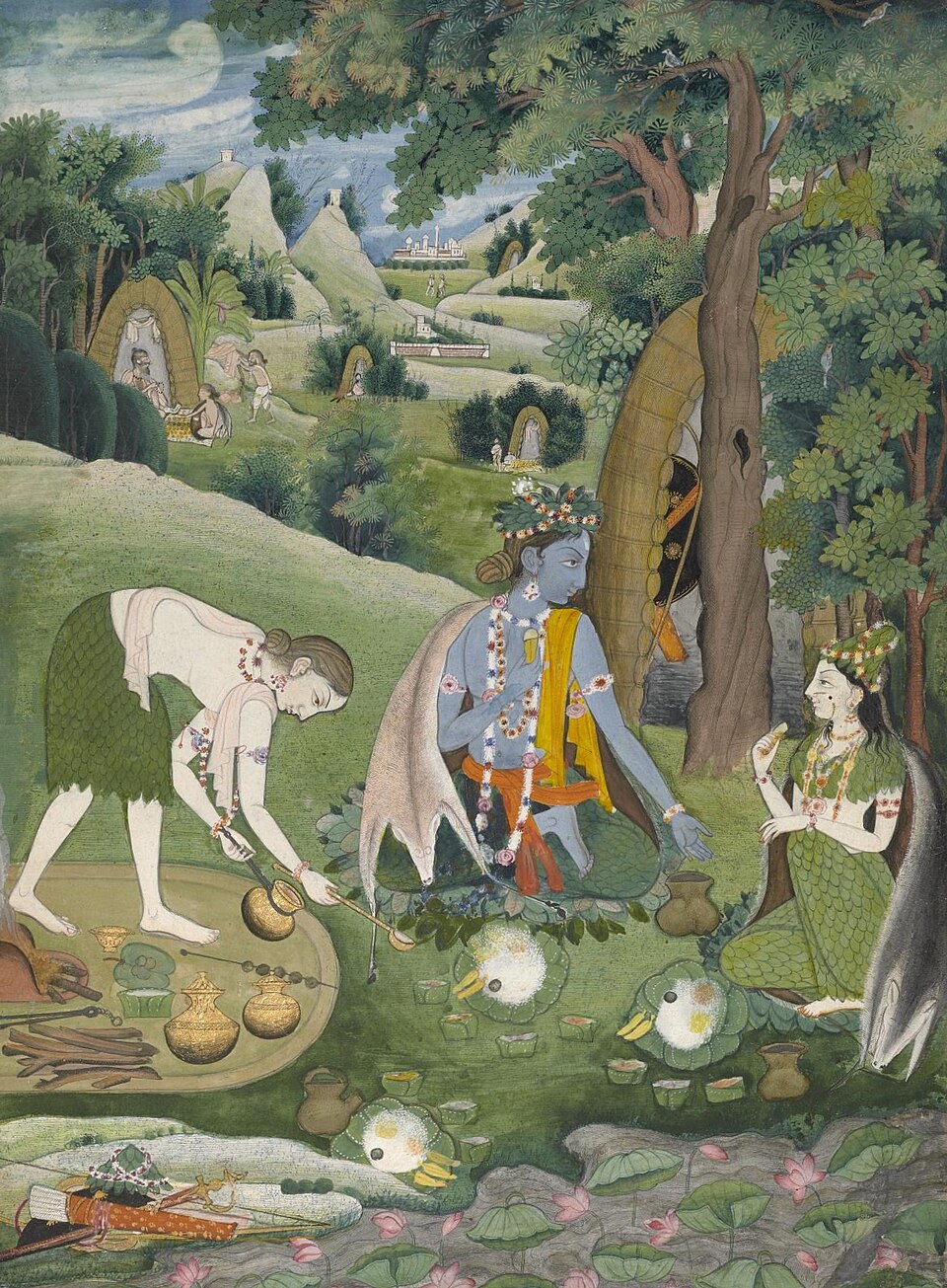
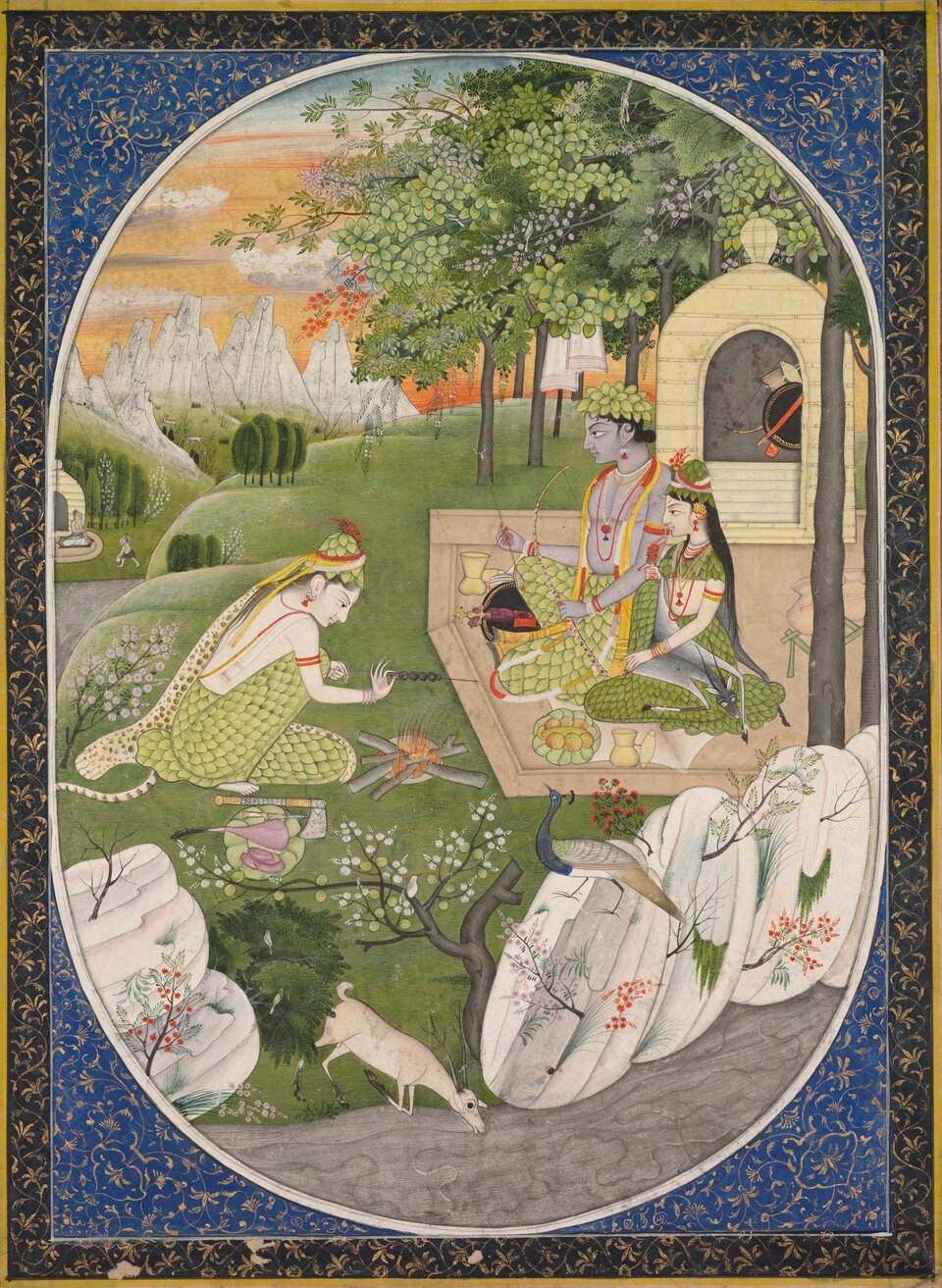
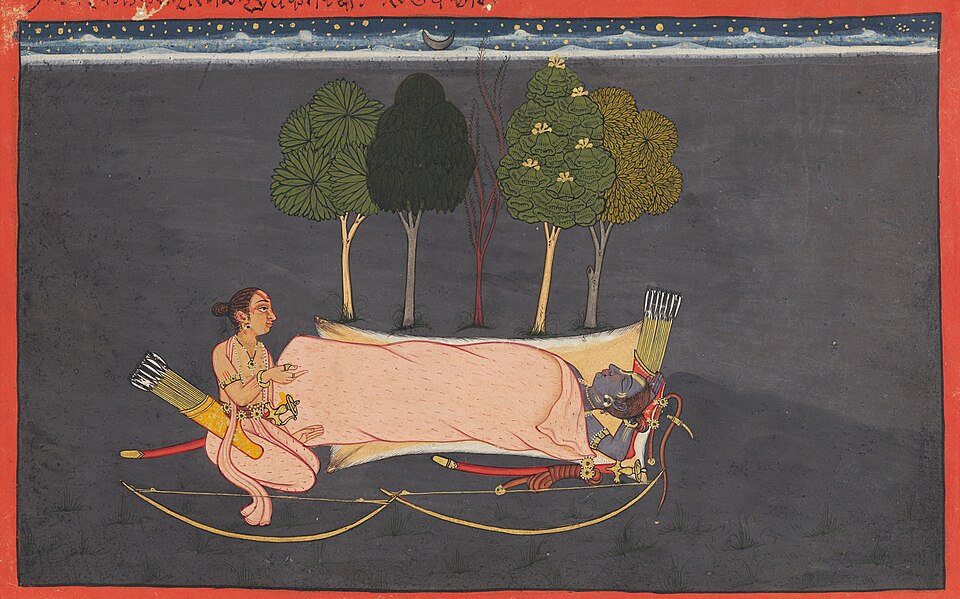
When looking at a photograph, distinguish the present site from an illustration of the epic. A contemporary temple or tank documents what stands there now. It should not be captioned as a surviving photograph-like witness to the conversation between Krishna and Arjuna.
Be careful with a purely inward reading
The armies are sometimes interpreted as opposing tendencies within a person. Such readings can support reflection, but they should be attributed to a particular interpreter where possible. They do not erase the epic's narrative of kinship, power and war. The previous article presented a detailed psychological key as though it were the single settled meaning; that claim has been removed.
Read a commentary alongside the verses and identify where the commentary begins. Compare two translators on a difficult word such as dharma rather than assuming one English equivalent will work everywhere.
A manageable first reading
Read the first chapter as a sequence of voices and responses. Note who speaks, what prompts the next speech and which question remains unresolved. Continue into chapter two with those notes beside you. This approach allows the setting to shape your reading and avoids treating a famous verse about action as permission to ignore consequences or other people's suffering.