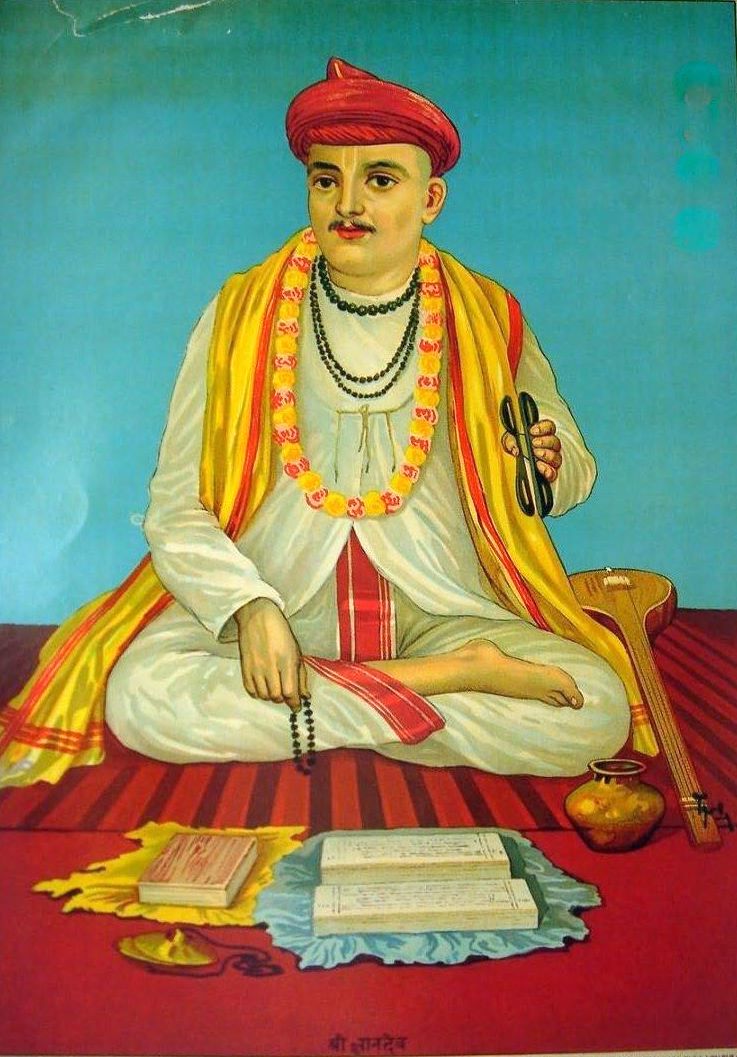
Sant Dnyaneshwar Jayanti is an occasion to remember a saint whose work helped make philosophical reflection part of Marathi literary and devotional life. Readers encounter his name in several forms, including Dnyaneshwar, Jnaneshwar and Jnanadeva. These are spelling traditions around the same revered figure, not separate teachers.
Remembering the teacher through his work
Dnyaneshwar is especially associated with the Dnyaneshwari, a Marathi exposition of the Bhagavad Gita. Maharashtra's public cultural accounts place him in the thirteenth century. For a first introduction, the lasting importance of his work is more useful than an unsupported list of miraculous achievements.
His writing invites attention to the relationship between a difficult text and the language in which people live. A teaching can be profound without being inaccessible. Remembering this on a jayanti gives the occasion a purpose beyond displaying a portrait or forwarding a greeting.
Jayanti is not the same as every associated festival
A birth commemoration, the annual remembrance of samadhi and the departure of a palkhi have different meanings. An event at Alandi is not automatically a jayanti merely because it honours Dnyaneshwar. Check the temple or organiser's announcement for the particular occasion and the current calendar.
This distinction is helpful when making a school programme or a family reading plan. It prevents a biography, a festival date and a pilgrimage schedule from being mixed into one inaccurate paragraph.
Plan a meaningful small observance
Choose a short passage from a reliable edition of the Dnyaneshwari, read its meaning and leave time for discussion. A group can begin with the question the passage raises rather than expecting everyone to understand older Marathi immediately.
Music or recitation can be included without making the programme a competition in memorisation. Someone who explains one line carefully may help beginners more than a rapid recital they cannot follow. Credit the edition, translator or performer whose work is used.
Let remembrance lead to study
The jayanti can become the beginning of a reading habit rather than a single day's activity. Keep a notebook of unfamiliar words and questions, and return to them with a teacher or commentary. Avoid attributing modern inspirational slogans to Dnyaneshwar unless they can be traced to a text.
Honouring a writer includes taking his words seriously. A modest programme centred on an actual passage can preserve that connection more faithfully than a large collection of unsourced quotations.