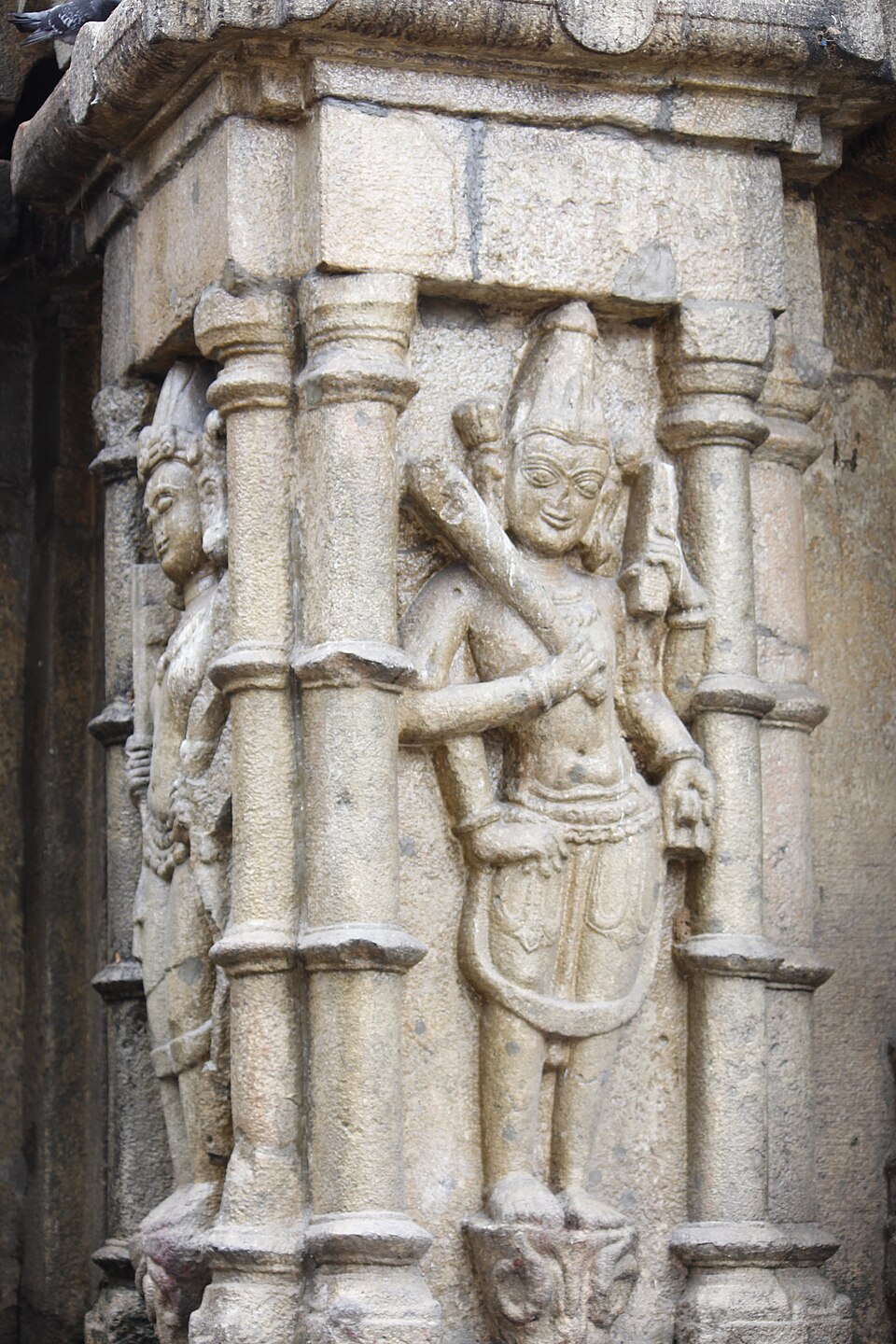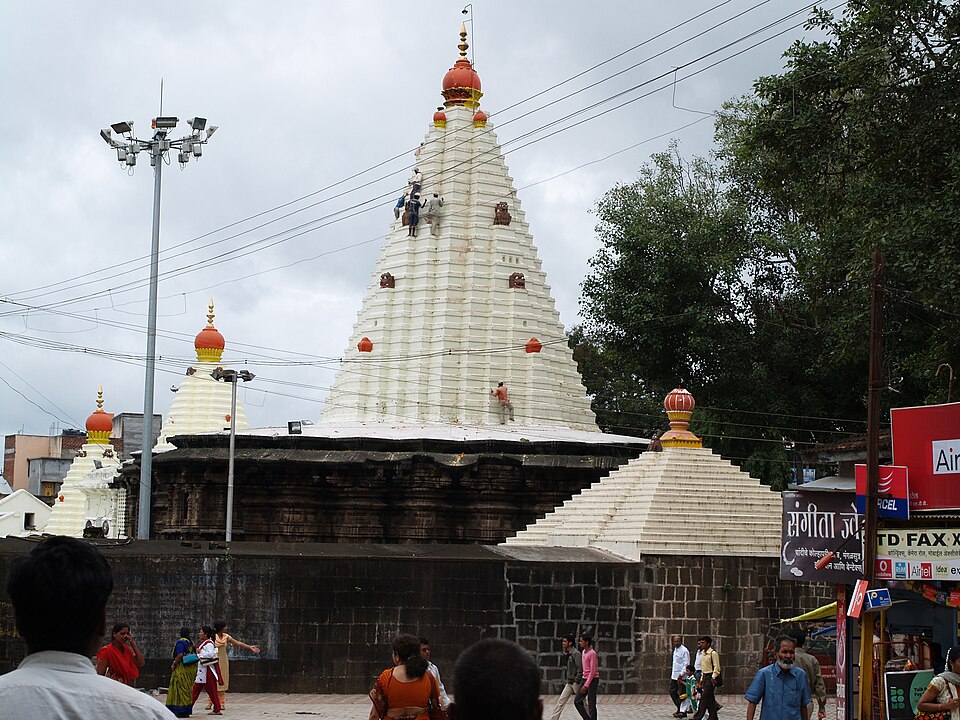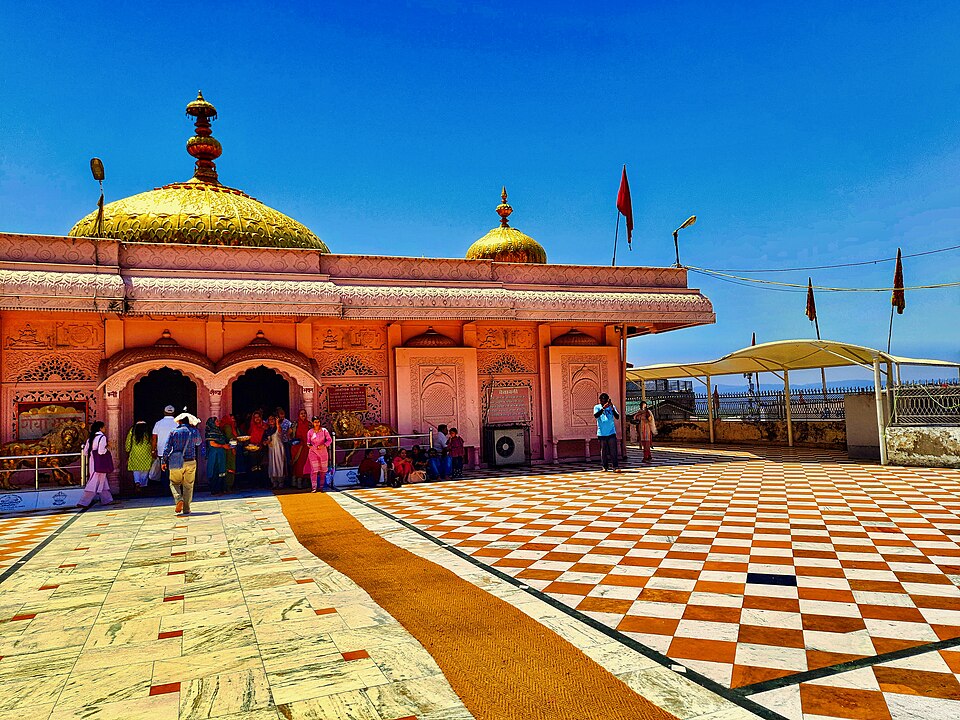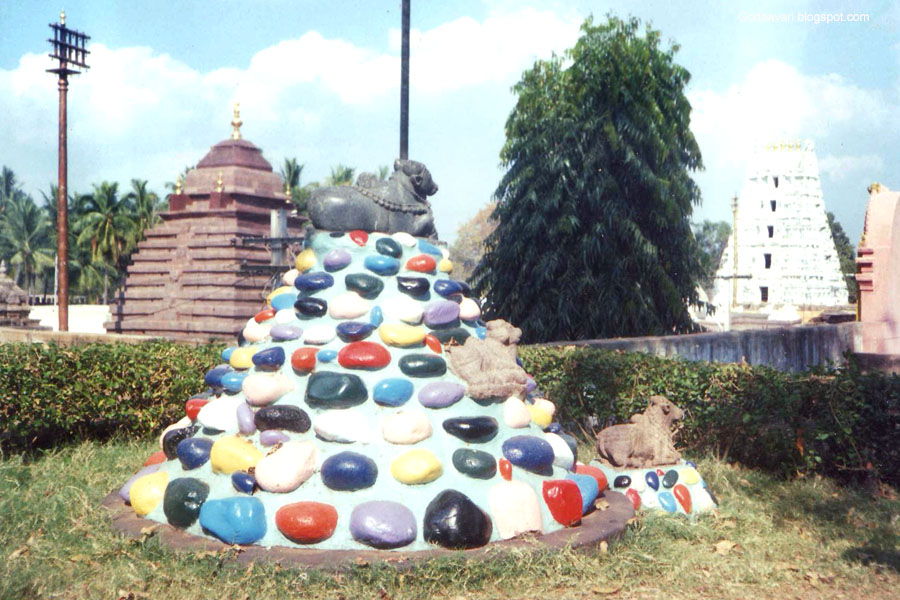
Srisailam is important to devotees of both Shiva and the Goddess through Mallikarjuna and Bhramaramba. Its place in Jyotirlinga and Shakti Peetha traditions makes it especially meaningful to many pilgrims. The connection is best understood through the particular temples and their worship, rather than through a generic claim about an intersection of energy fields.
Two devotional relationships
Mallikarjuna and Bhramaramba have distinct names, stories and ritual contexts. Learning about both helps a visitor understand why the journey is not simply two interchangeable stops. The shared setting allows their relationships to be experienced together without erasing their particularity.
Peetha lists and explanations can vary. Where a guide discusses an associated body part or textual origin, it should identify the claim as part of a received tradition. A religious association is not the same as a securely dated historical event.
Notice the surrounding landscape
Srisailam’s setting forms part of the pilgrimage experience. Travel through the region and visits to nearby places need current information about roads, access and conditions. Avoid assuming that every attraction mentioned in an old itinerary remains available in the same way.
A photograph of a temple tank should be captioned as a tank, not as the main sanctum or a full view of the complex. Such distinctions may seem small, but they make a guide more dependable.
Make arrangements with clear information
Consult the Devasthanam for current darshan, accommodation and seva arrangements. Read what a booking actually includes. If travelling with older relatives or someone with limited mobility, ask about practical assistance rather than relying on a general statement that the site is “easy to visit.”
Keep time for meals and rest between activities. A pilgrimage becomes unnecessarily stressful when every minute depends on a queue moving exactly as expected. A flexible plan leaves more room for worship and less for frustration.
Respect the pace of others
Give people space near entrances and queues. Ask before photographing worshippers or staff. If you do not understand a custom, a quiet question is more appropriate than treating it as a spectacle or inventing an explanation afterwards.
The value of the combined pilgrimage lies partly in the opportunity to understand different expressions of devotion within one setting. Careful observation and a few reliable sources will leave a more lasting impression than a collection of dramatic claims about mysteries that every visitor must supposedly experience.
Sources & further reading
www.srisailadevasthanam.org — reference and further reading. Interpretive reflections and practical reading suggestions in this article are the website’s own explanatory material. Check current official arrangements before travelling.