Ayurveda is a traditional Indian system of medicine with a substantial literary and practical history. Discussions often begin with vata, pitta and kapha, the three doshas. These concepts should be understood within their own framework, rather than treated as direct equivalents of modern laboratory measurements.
What a dosha description can and cannot do
A short online quiz cannot establish a medical diagnosis. General descriptions of tendencies may feel familiar to many readers, but that familiarity does not prove that a quiz has identified the cause of a symptom. Persistent or concerning symptoms deserve assessment by a qualified healthcare professional.
Nor does calling a practice traditional establish its effectiveness for a particular condition. Evidence must concern the specific intervention and outcome. A claim about one preparation cannot automatically be extended to every product carrying an Ayurvedic label.
Read product claims carefully
NCCIH reports that evidence for many Ayurvedic uses remains limited and notes that some preparations can contain harmful amounts of metals. “Natural” does not mean free from risk. Products may also interact with medicines or be unsuitable in particular circumstances.
Before using a supplement, discuss the exact product and ingredients with an appropriate clinician, especially if taking medication, pregnant, breastfeeding or considering it for a child. Do not stop prescribed treatment because a general article promises a more natural alternative.
Cultural history remains worth studying
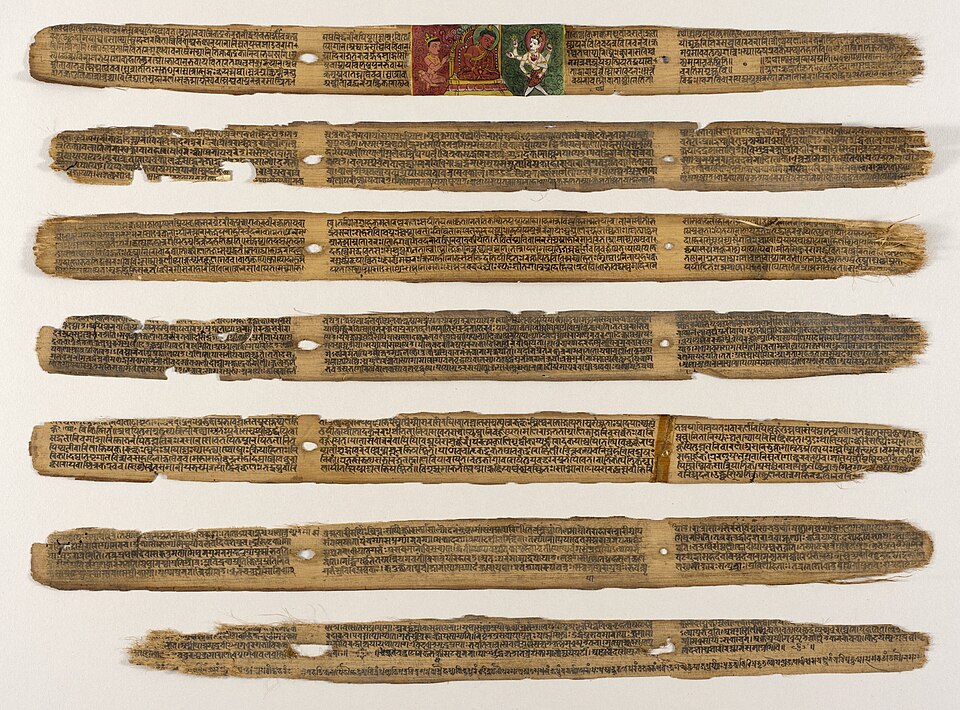
These cautions do not erase Ayurveda’s importance in the history of ideas about health, diet and daily routine. A reader can study a classical text, a manuscript or the development of a medical tradition without using it as a treatment manual.
Ask when a source was written, who translated it and how the modern author is applying its concepts. That approach is more informative than either uncritical praise or a blanket dismissal of a diverse tradition.
Everyday claims need proportion
Regular meals, adequate rest and attention to one’s routine can be discussed without promising extraordinary longevity or perfect balance. The appropriate advice for an individual depends on their circumstances. Cultural interest should support informed choices, not create pressure to buy a product or follow a restrictive regimen.
This website provides an educational introduction, not a personalised treatment plan. When reading further, favour sources that explain uncertainties and risks alongside possible benefits. A trustworthy account makes it easier to ask good questions rather than making every answer sound certain.
Sources & further reading
www.nccih.nih.gov — reference and further reading. Interpretive reflections and practical reading suggestions in this article are the website’s own explanatory material. Check current official arrangements before travelling.