The Surya Siddhanta belongs to the history of Indian mathematical astronomy. It discusses celestial calculation through a technical framework that deserves to be studied on its own terms. Claims that it contains every modern astronomical discovery usually make the text harder, rather than easier, to understand.
Identify the text you are reading
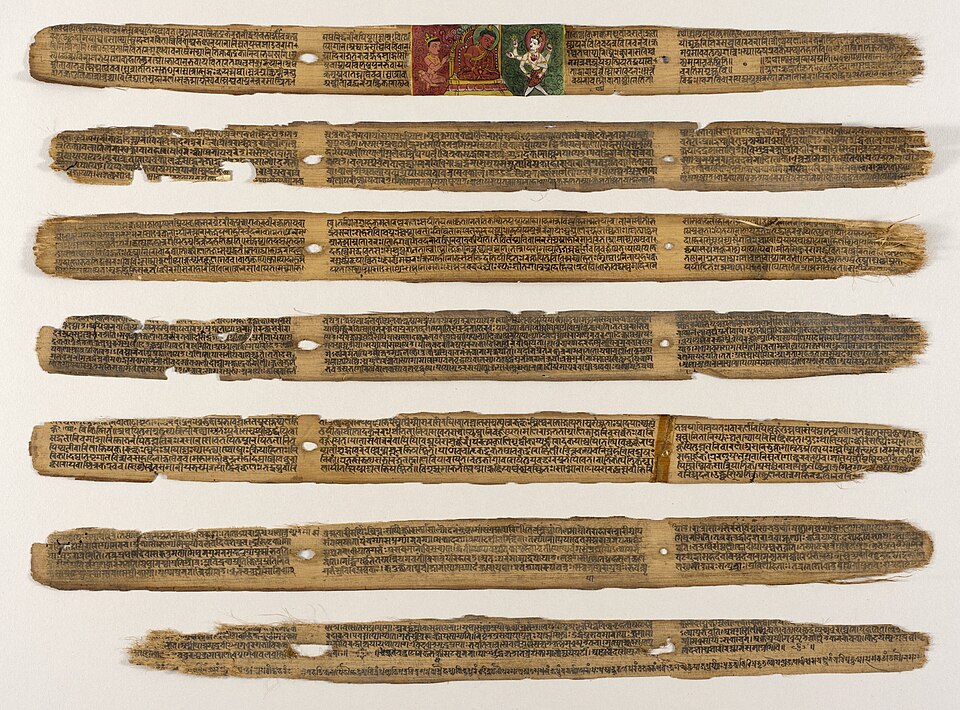
Look for an edition that names the translator and explains the version used. A work with a long transmission history cannot always be assigned one uncomplicated date. An early reference, a later recension and a printed translation are different objects of study.
Older English translations can be useful, but their vocabulary and explanatory assumptions may need context. Read the introduction and notes alongside the equations or tables. A familiar modern word may be translating a concept that does not match it exactly.
Ask what a calculation is for
Astronomical procedures are best understood by identifying their inputs and intended outputs. Is a passage concerned with a position, a period, a time division or an eclipse? Before judging accuracy, determine what the procedure claims to calculate and which units it uses.
This approach is more illuminating than lifting a large number out of context and comparing it with a modern value. Numerical resemblance alone does not establish identical theories, methods or observational knowledge.
Keep cosmological time and observation distinct
Long cycles can have mathematical and cosmological roles within a text. Their presence does not automatically mean that they represent a modern measured age of the universe. Ask how the number functions in the system being described.
Respect for an intellectual tradition includes the willingness to notice both achievement and difference. A historical model can be sophisticated without being identical to the model used by present-day astronomy. Understanding its assumptions is part of understanding its ingenuity.
A practical study exercise
Choose one small worked example from a scholarly edition. List every unit and conversion before following the arithmetic. Then explain the procedure in ordinary language. If a step remains unclear, record the question rather than replacing it with a claim about hidden wisdom.
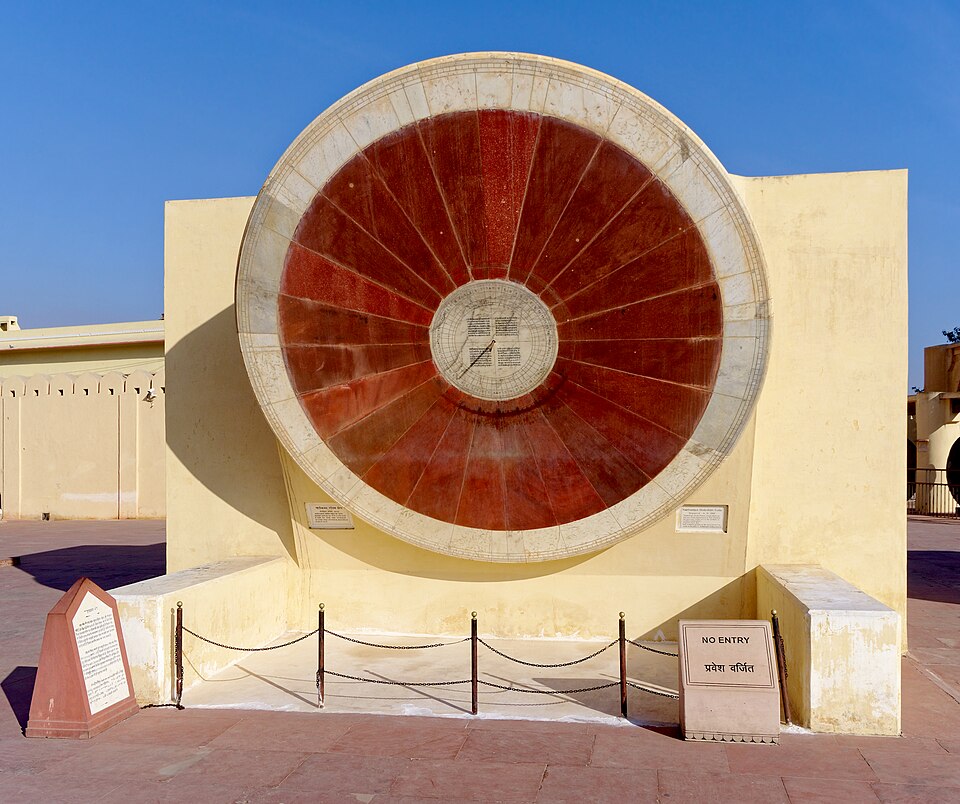
For a broader introduction, visit an astronomical instrument site or museum and ask what a particular instrument measures. Such a visit can help make the relationship between geometry, observation and calculation tangible, while keeping the monument’s date distinct from the older text. Historical astronomy becomes more engaging when its actual questions and methods are visible.
Sources & further reading
archive.org — reference and further reading. Interpretive reflections and practical reading suggestions in this article are the website’s own explanatory material. Check current official arrangements before travelling.