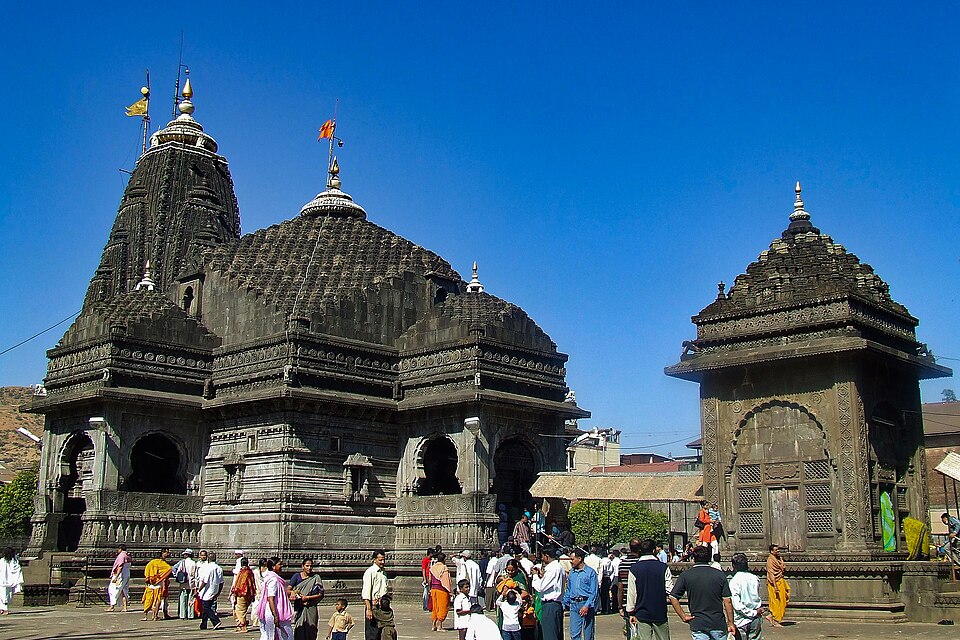
Trimbakeshwar, near Nashik in Maharashtra, is one of the twelve Jyotirlinga destinations. It is also connected with the sacred geography of the Godavari. Visitors often arrive with a specific ritual in mind, but understanding the place begins with distinguishing the temple, its devotional explanations and the wider landscape.
The threefold association
The sacred form is commonly explained through an association with Brahma, Vishnu and Shiva. Such an explanation belongs to the temple’s religious meaning. It should not be replaced by a generic description of a tall, smooth lingam if that does not reflect the form being discussed.
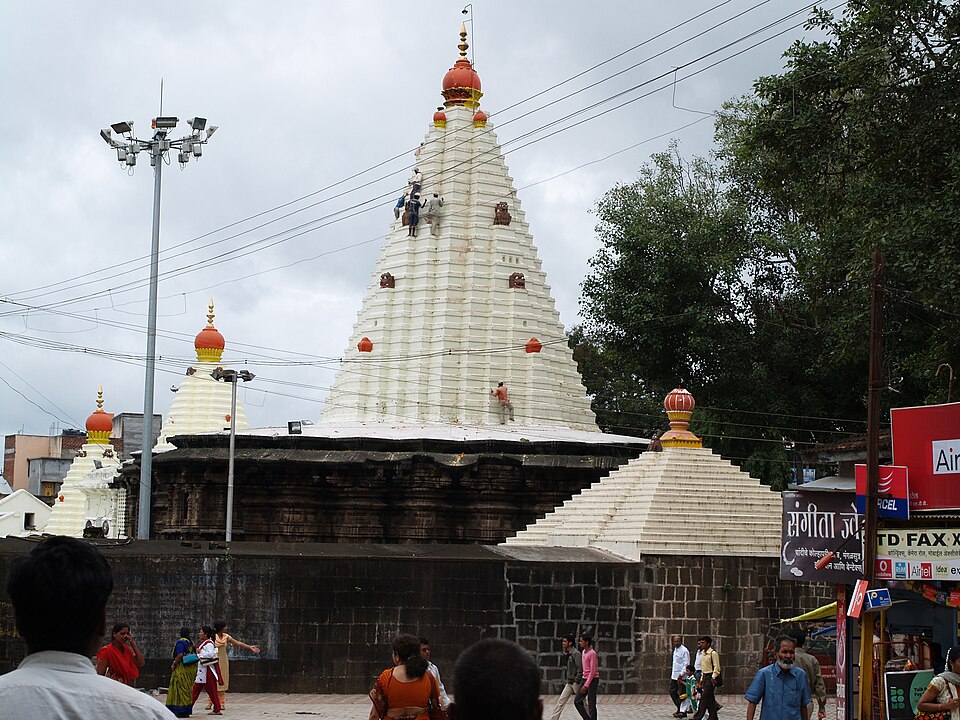
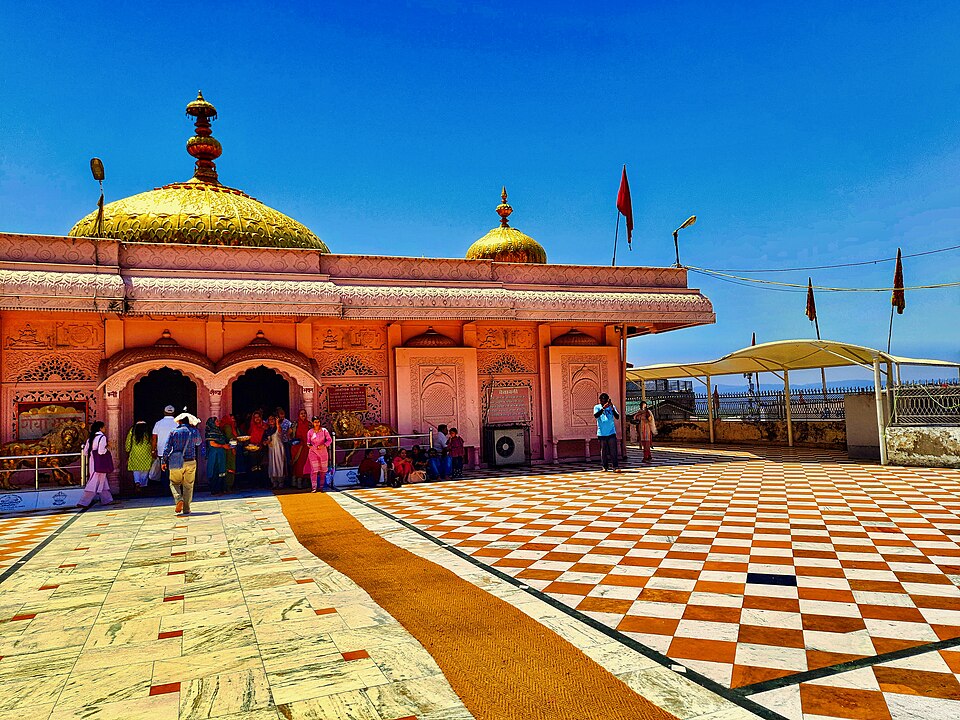
Photographs of an exterior also should not be captioned as views of the sanctum. Images have limits, particularly where photography is restricted. A clear caption is better than suggesting that an ordinary travel photo documents a sacred object it does not show.
River and hill
The Godavari’s origin traditions connect the area with a landscape larger than the temple courtyard. If you plan to include nearby sacred sites or a hill route, check their access separately. A short distance on a map does not tell you whether a path has steps, steep sections or limited facilities.
Choose an itinerary that suits the group. Combining darshan, a long climb and several other stops in a single rushed day can leave little room for the experience that brought you there.
Understand a ritual before booking
Ask what the proposed ceremony involves, how long it takes, what it costs and whether the person arranging it is authorised. Religious vocabulary can be unfamiliar, and asking for a plain explanation is reasonable. Do not accept guarantees that payment will solve a family, financial or health problem.
Use current temple information for entry rules, schedules and permitted items. A cultural overview should not pretend to be a live booking service or a substitute for the temple’s own instructions.
Looking more carefully
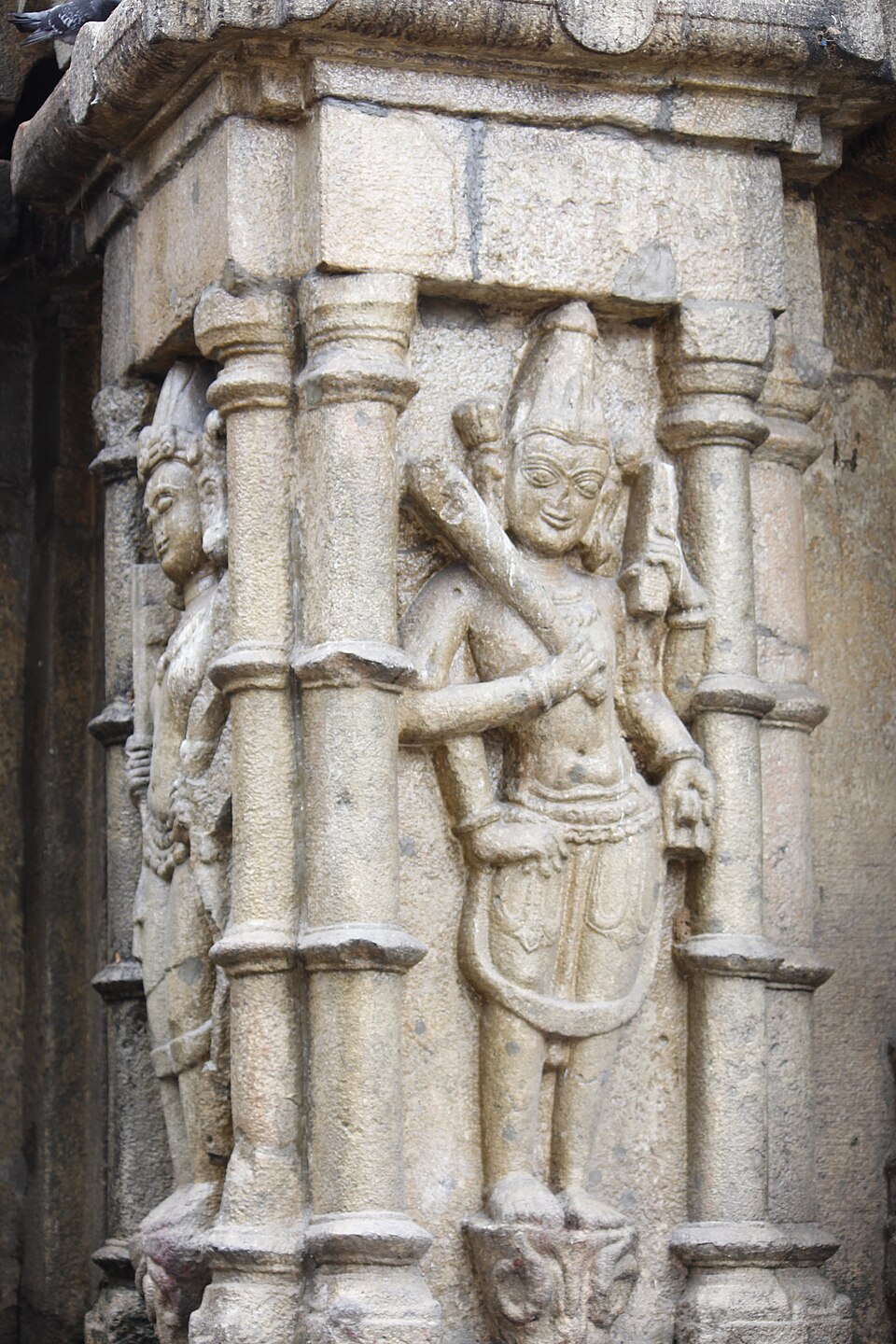
Notice the transition from the busy approach to the temple space. Observe the material, carving and organisation of movement in areas open to visitors. Those details help make the shrine a particular place in memory rather than simply another name ticked off a twelve-temple list.
After the visit, separate the story you heard from what you directly observed. Both can be worth recording, but identifying their source makes your account more useful to someone planning a future journey.
Sources & further reading
www.maharashtratourism.gov.in — reference and further reading. Interpretive reflections and practical reading suggestions in this article are the website’s own explanatory material. Check current official arrangements before travelling.