The Narmada is both a river and a powerful presence in devotional life. Smooth stones associated with it are worshipped as banalingas in Shiva traditions. Their rounded forms invite attention, but the statement that every stone in the river is a banalinga is too broad to be a useful explanation.
Natural form and sacred recognition
Water and sediment shape stones over time. Devotional recognition gives a selected stone another kind of significance within worship. These descriptions need not compete: one concerns a physical process, while the other concerns religious meaning and practice.
Different traditions describe selection, form and worship differently. A general article should not prescribe an exact ritual or promise that any stone bought online has a verified origin. If provenance matters to you, ask the seller clear questions and be cautious about extravagant claims.
The river is more than a source of objects
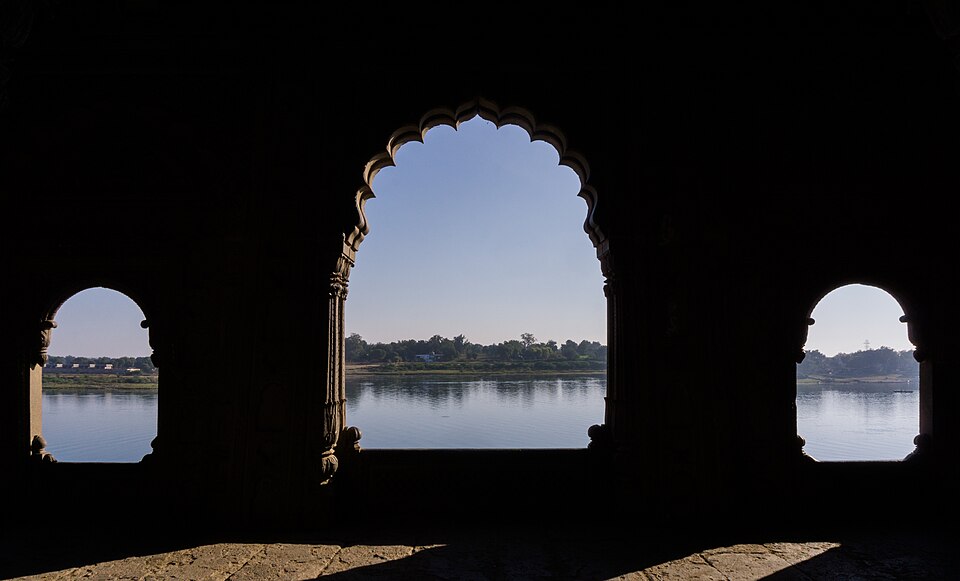
To understand Narmada devotion, notice the relationship between riverbanks, towns, ghats, temples and journeys. Maheshwar offers one setting in which those connections are visible. Other places along the river have their own histories and practices.
A photograph of one ghat should not be used as though it represents every part of the river. Location-specific captions help readers understand the landscape rather than imagining an interchangeable sequence of sacred waterfronts.
Parikrama requires serious preparation
Narmada parikrama is a substantial pilgrimage tradition. It is not adequately planned through a short list of devotional rules. Anyone considering a long journey needs current information about routes, accommodation, weather, local requirements and personal capacity.
Do not confuse spiritual aspiration with a requirement to continue through exhaustion or unsafe conditions. Seek guidance from experienced, responsible sources and leave room for rest and changes of plan. A respectful account should not promise that devotion removes practical difficulties.
Care for the river in ordinary ways
Avoid taking material from protected places or assuming that religious interest gives permission to remove stones. Follow local rules. Keep packaging and waste out of the water and use designated arrangements for offerings where available.
At home, a simple act of worship can be accompanied by attention to how an object was obtained and how it is cared for. That connection between devotion and responsibility is more useful than claims that a particular stone radiates scientifically proven energy. The river’s cultural importance is substantial without such additions.
Sources & further reading
www.mptourism.com — reference and further reading. Interpretive reflections and practical reading suggestions in this article are the website’s own explanatory material. Check current official arrangements before travelling.