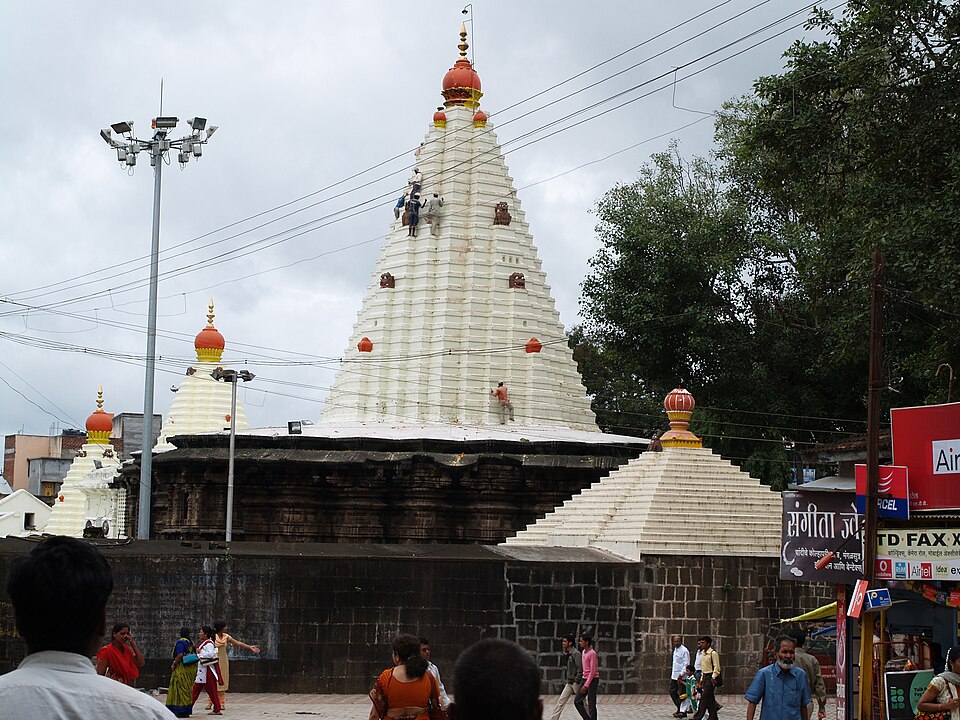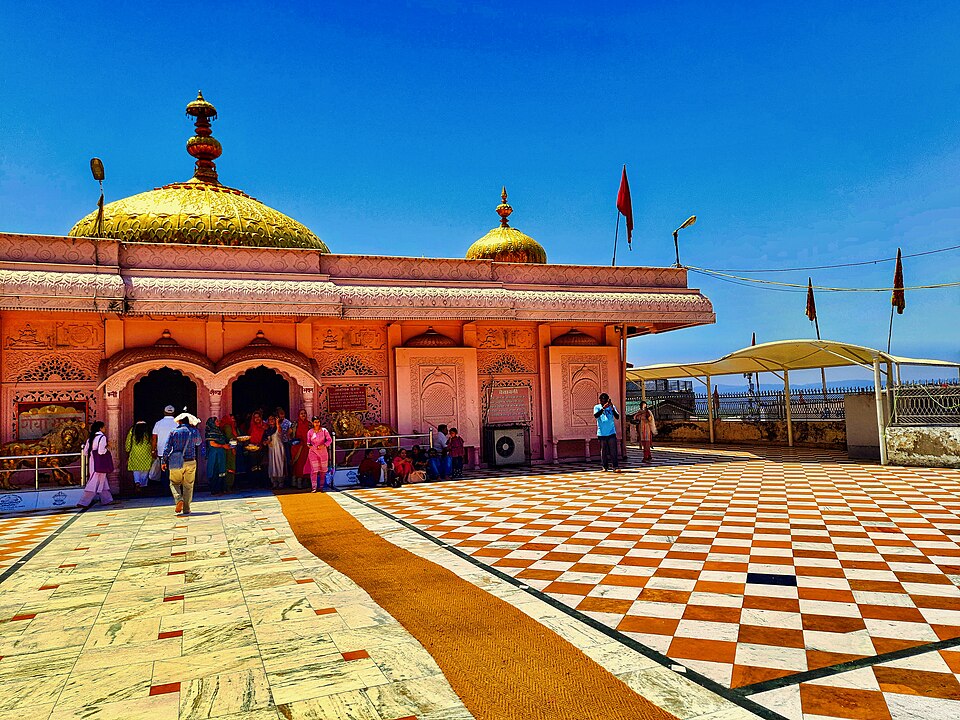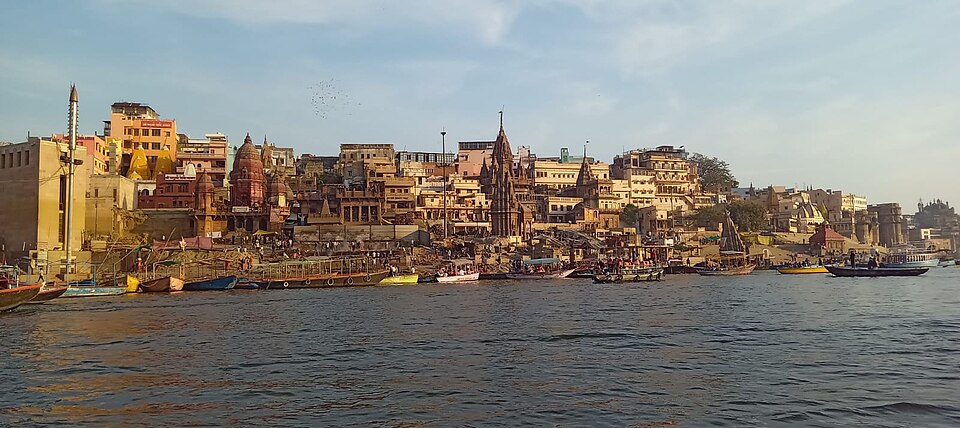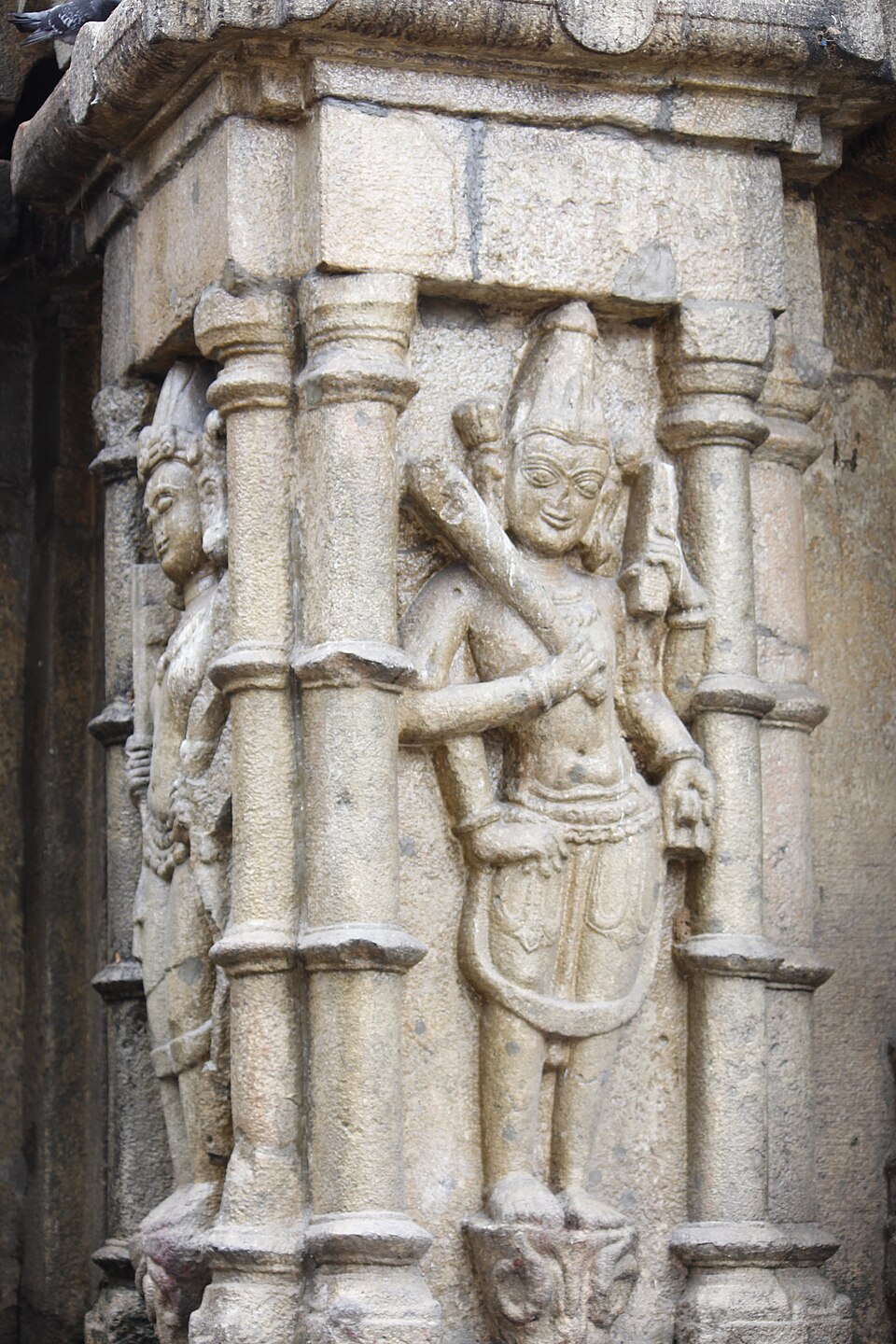
Shakti Peethas are sacred places associated with the Goddess and the story of Sati. For many families, the connection begins with one familiar shrine: a temple visited during Navratri, a name heard in prayer, or a journey made with grandparents. Discovering the wider network places that local relationship within a much larger devotional landscape.
One story, several lists
In a widely told account, Sati dies after the conflict surrounding Daksha’s sacrifice, and Shiva carries her body in grief. The places where parts of her body or ornaments fall become seats of the Goddess. This is a sacred narrative. It should be introduced as a tradition rather than reported as a historically documented event.
The number fifty-one is familiar, but lists of Peethas differ across texts, regions and communities. Deity names, associated body parts and the identification of individual places are not always identical. A directory is therefore a guide to a particular received list, not a final ruling on every community’s practice. Where two locations claim the same association, presenting both claims fairly is more helpful than hiding the disagreement.
What connects the places?
The links are carried through stories, songs, ritual relationships and travel. At one shrine the Goddess may be worshipped through an image; at another, a natural feature or other sacred form is central. Language, architecture and offerings also vary. A shared narrative does not make the temples interchangeable.
This variety is part of their interest. Ask how local people address the deity, which festival matters most to the community, and how the shrine fits into the surrounding town. Such questions bring the subject closer to lived experience than broad statements about every temple having identical rituals or architecture.
Planning a thoughtful visit
Begin with a manageable route rather than a desire to complete a list quickly. Confirm the precise location with a temple authority or an official tourism source. Similar names can refer to different temples, sometimes in different districts. Check current access arrangements separately from the historical story.
For shrines outside your country, entry requirements and travel conditions need their own research. A devotional connection does not remove the need for visas, permits or local advice. For mountain journeys, allow flexibility and consult the relevant authorities about seasonal access. A directory cannot safely promise that every shrine remains open throughout the year.
Photographing and remembering
Ask before taking photographs, particularly near a sanctum. A useful travel notebook can record a local name, a festival, a source and a personal observation without claiming that a single visit explains the entire tradition. Avoid using a photograph of another temple merely because it looks similar. The location is part of the meaning.
The wider geography becomes easier to understand when each place is allowed to keep its particular character. Shared devotion and local difference belong together. A good pilgrimage guide helps readers see both.
Sources & further reading
www.incredibleindia.gov.in — reference and further reading. Interpretive reflections and practical reading suggestions in this article are the website’s own explanatory material. Check current official arrangements before travelling.