Shiva’s association with cremation grounds places him outside many ordinary signs of social comfort and prestige. Ash, asceticism and the presence of death can seem unsettling, but they also invite reflection on impermanence. The subject deserves care because cremation grounds are real places of grief as well as settings in religious imagery.
Read the symbolism without sensationalism
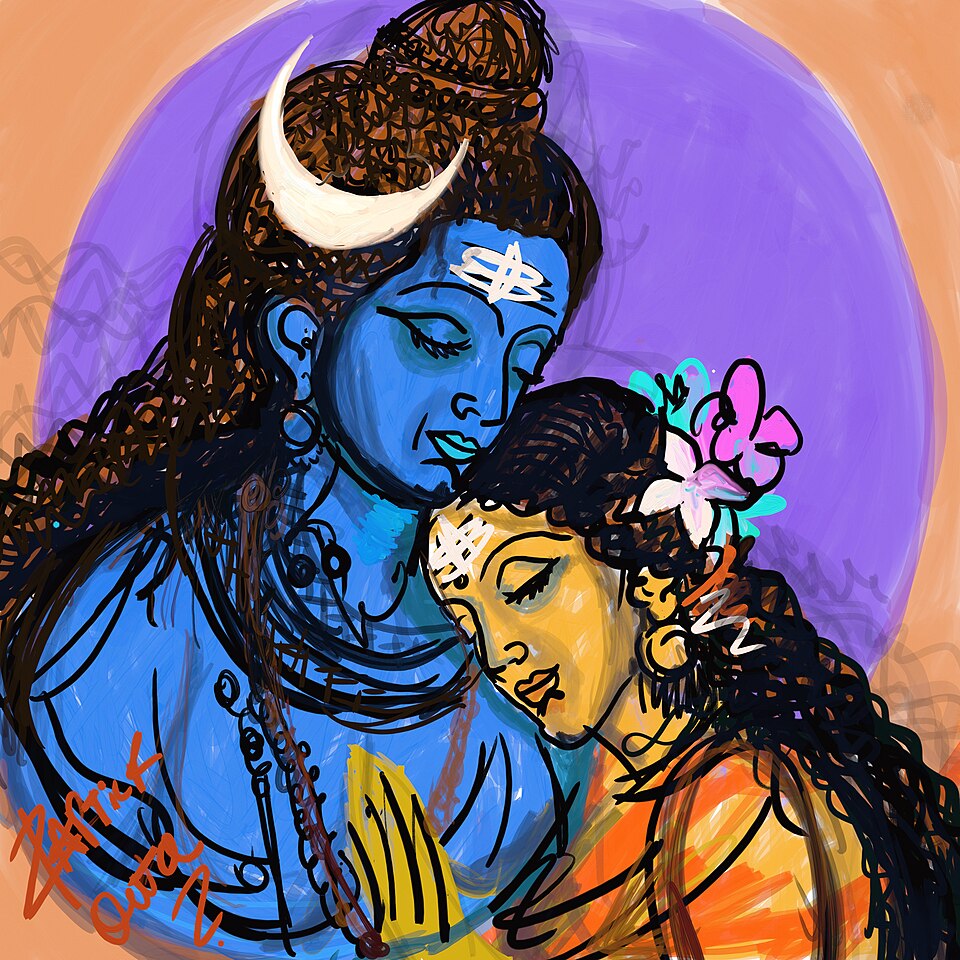
An ascetic form of Shiva can challenge attachment to appearance, possessions and status. What looks secure in daily life does not remain unchanged forever. That is a possible interpretive starting point, not a claim that every image or text gives exactly the same explanation.
Religious narratives and practices differ. A general article should avoid describing all Shaiva traditions as though they followed one cremation-ground ritual. Nor should it provide instructions for esoteric practices from a few fragments encountered online.
Impermanence is not contempt for life
Reflecting on death need not mean neglecting relationships or dismissing ordinary joy. It may instead sharpen attention to how time is spent and how people are treated. A reminder that life changes can support care rather than indifference.
The idea should never be used to hurry someone through grief. A bereaved person does not need a slogan about illusion in place of practical help or patient company. Philosophical reflection and emotional support have different roles.
Respect actual places of mourning
Do not photograph funerals or mourners without clear permission. A cremation ground is not a dramatic backdrop for a travel portrait. Follow local restrictions and keep a respectful distance from ceremonies.
If learning about a city’s funerary traditions, use a responsible guide and published sources. Avoid intrusive behaviour justified by curiosity. The people present are not there to illustrate a visitor’s spiritual journey.
Bringing the reflection home
One modest exercise is to identify a conversation or responsibility you have been postponing. Consider whether attention to impermanence changes the priority. There is no need for a dramatic vow or an attempt to imitate an ascetic life.
Shiva’s imagery can be approached through humility about what is temporary and care for what is present. It loses depth when reduced to shock, mystery or claims that contact with a particular place automatically destroys fear. A thoughtful account makes room for both religious meaning and human dignity.
Sources & further reading
www.metmuseum.org — reference and further reading. Interpretive reflections and practical reading suggestions in this article are the website’s own explanatory material. Check current official arrangements before travelling.