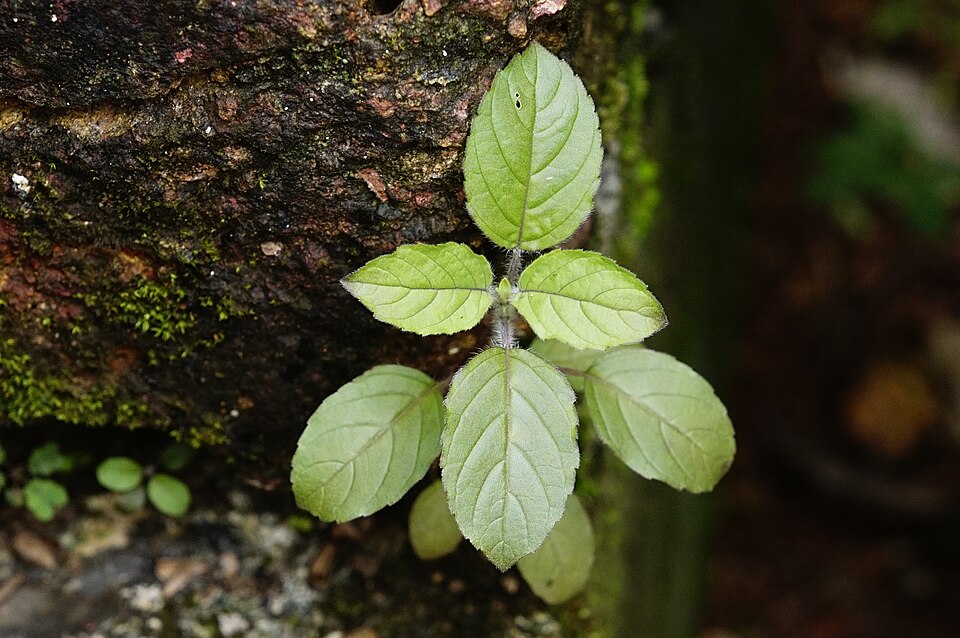
A tulsi plant can be a familiar part of a Hindu home, linking daily care with prayer and family custom. Its significance is not limited to a list of possible medicinal uses. Watering the plant, keeping the surrounding space clean and noticing its growth can make devotion part of an ordinary routine.
A living plant within a tradition
Tulsi is especially associated with Vaishnava devotion. Customs vary by household and region, including how leaves are offered and how particular observances are celebrated. A general article should leave room for those differences rather than prescribe one rule for every family.
The plant’s botanical identity and its religious meaning are related but distinct subjects. If buying one for cultivation, ask a dependable nursery about the variety and care conditions. A label on a decorative pot is not always enough to establish the species.
Care begins with observation
Choose a suitable place with appropriate light and drainage. Notice whether the soil remains wet for too long or dries excessively, and adjust care to the actual conditions. A fixed instruction to water the same amount every day can be unhelpful across different climates and containers.
Keep the plant away from contamination and identify any product used on it. If leaves will be used in food or drink, do not assume that an ornamental nursery treatment is suitable for that purpose. Ask before using pesticides or other preparations.
Religious importance is not medical proof
Tulsi has a place in traditional health practices, but that does not establish every claim made for it online. A home plant should not be presented as a cure for infections, diabetes or other illnesses. Evidence, dose, preparation and individual circumstances all matter.
Herbal products can have risks and interactions. Seek appropriate professional advice before using supplements for a health purpose, particularly alongside medication or during pregnancy. Do not stop necessary treatment because a cultural article describes a plant as sacred.
Keep the everyday meaning visible
A child helping to care for tulsi can learn the difference between attentive care and mechanical routine. Ask them to notice a new leaf or a change in the soil. The observation need not be turned into a lesson about miraculous powers.
The courtyard tradition is meaningful through its relationship with home, memory and worship. Describing that relationship clearly gives tulsi more room than a catalogue of unverified benefits. A plant can be cherished without being asked to solve every problem.
Sources & further reading
www.nccih.nih.gov — reference and further reading. Interpretive reflections and practical reading suggestions in this article are the website’s own explanatory material. Check current official arrangements before travelling.