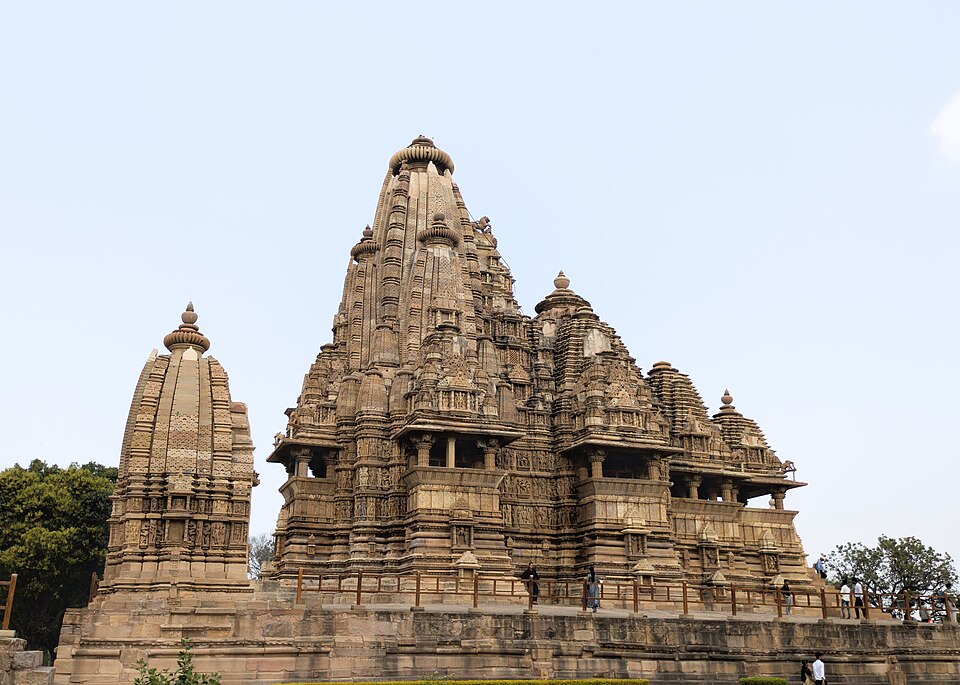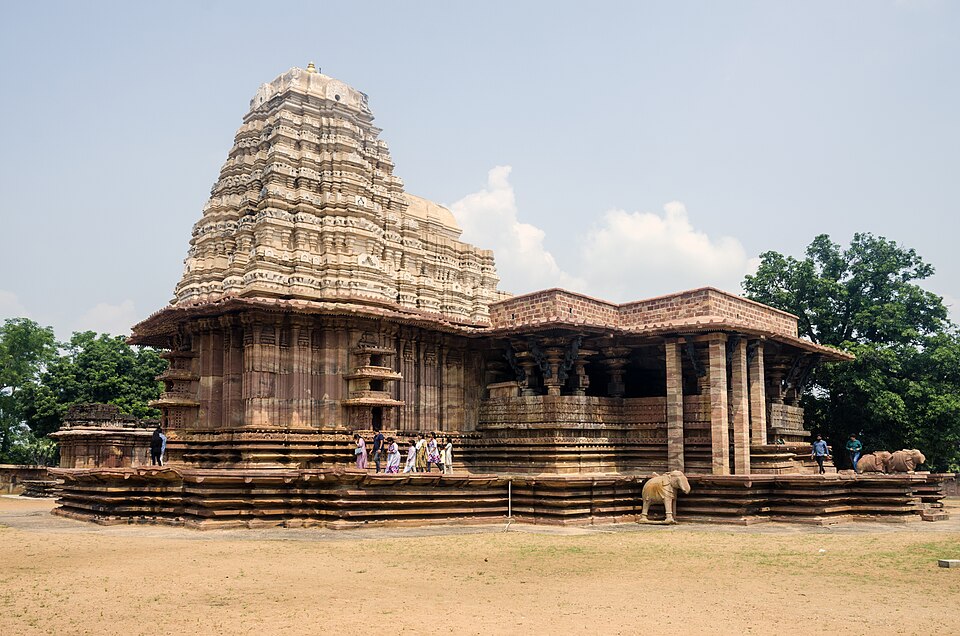
Fatehpur Sikri can feel like a sequence of impressive but puzzling courtyards. The names on signs may suggest functions, yet a visitor still needs to understand how one space leads to another. Following thresholds, changes in level and lines of sight provides a practical way into the architecture of this Mughal imperial complex.
Keep the different areas distinct
The site is associated with Akbar’s sixteenth-century capital and includes palatial and religious buildings. These areas should not be treated as interchangeable rooms in one house. Their purposes, users and current visitor expectations can differ.
Orient yourself with a plan before moving between major sections. Mark the entrances and identify where a large public space narrows into a more controlled approach. Architecture can organise access even when the people who once managed it are absent.
Ask what an opening does
Stand at a doorway without blocking it and look in both directions. Does it frame a building, conceal the next space or lead into an open court? That small exercise makes the experience of movement visible.
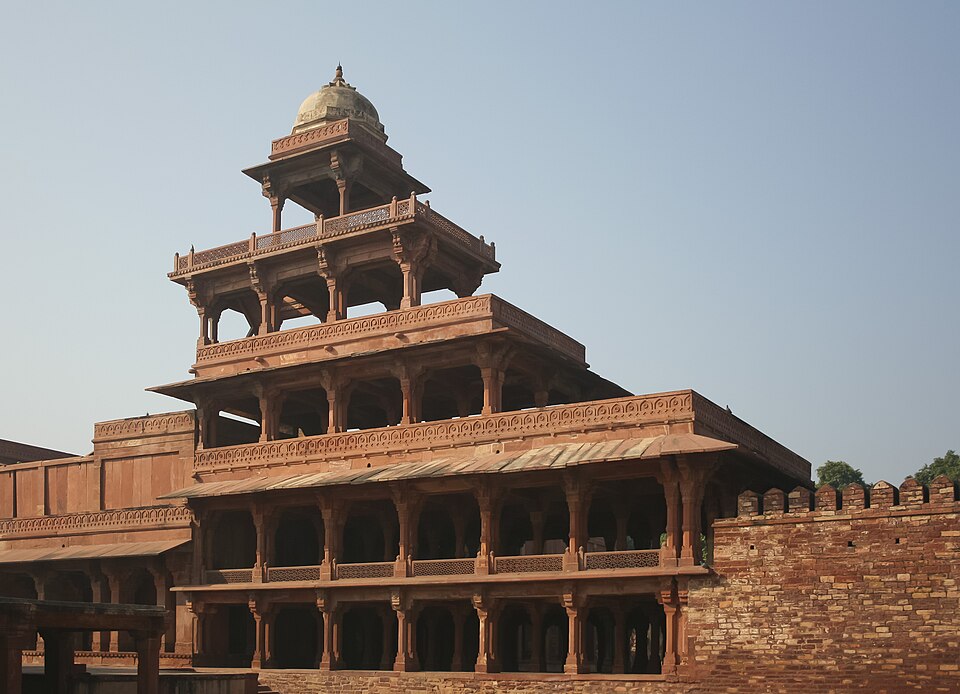
The Panch Mahal’s open, tiered appearance offers a useful contrast with more enclosed buildings. Describe what you can see about the arrangement before adopting a confident story about every activity that supposedly took place there.
Treat familiar names carefully
Some names and popular explanations attached to historic rooms are more secure than others. Ask whether a function is supported by contemporary records, archaeological evidence or later tradition. A guide who explains that distinction is giving you valuable information, not an incomplete tour.
The same care applies to reasons offered for the capital’s changing fortunes. A single dramatic sentence may be easy to remember, but political and environmental histories are often more complicated. Leave space in your notes for that complexity.
Build a route around contrasts
Select an open pavilion, an enclosed chamber and a large courtyard. Compare how each controls light, movement and the relationship between a central figure and a group. These observations can help you imagine courtly space without inventing an exact performance from the architecture alone.
In active religious areas, follow local practice and instructions. Elsewhere, respect barriers even if an empty platform would make an appealing photograph. A thoughtful visit needs neither unrestricted access nor a story for every corner. It needs enough time to see how a few well-chosen spaces differ and how the routes between them create an experience of scale and authority.
Sources & further reading
UNESCO World Heritage Centre — site history and significance