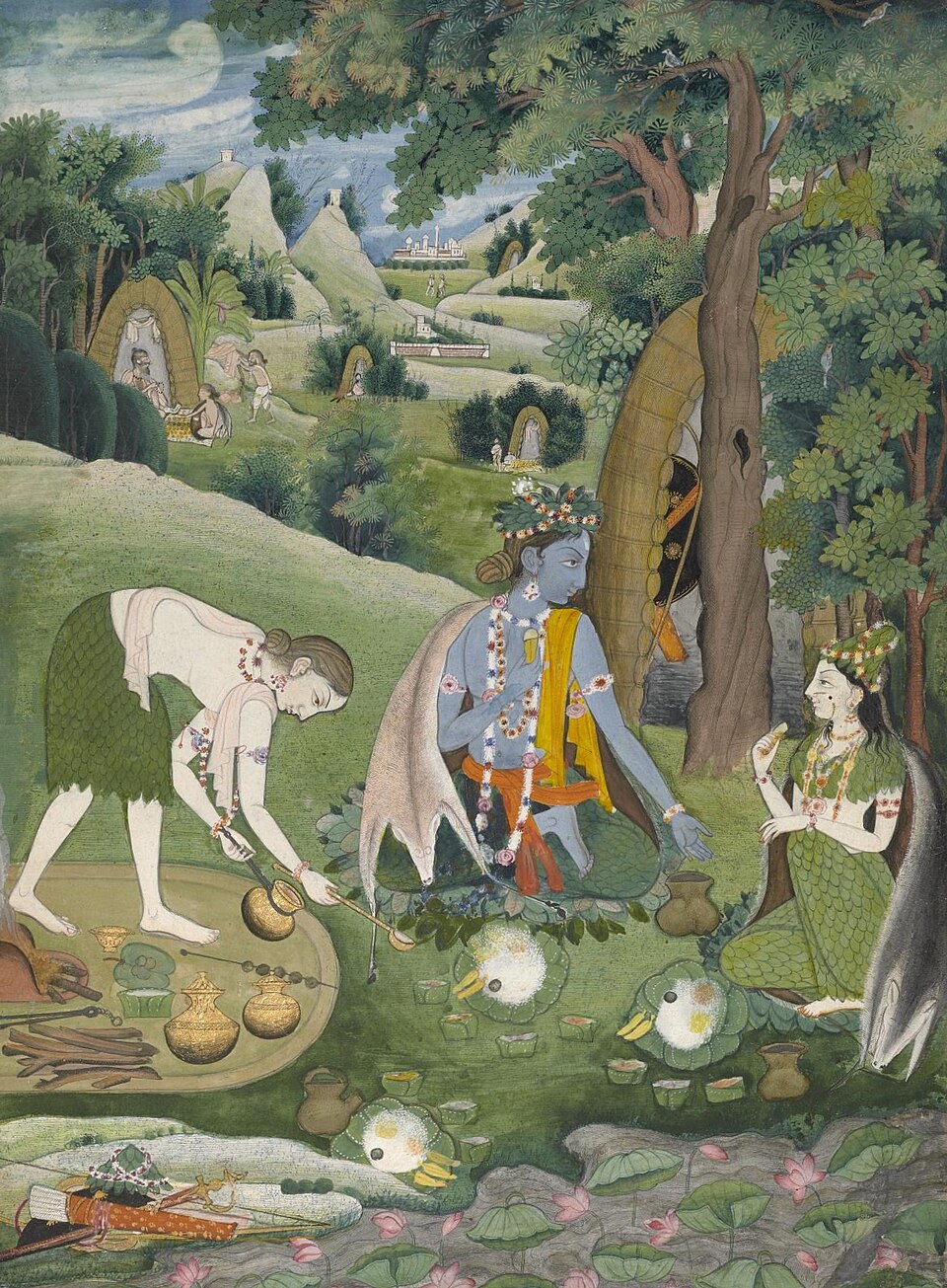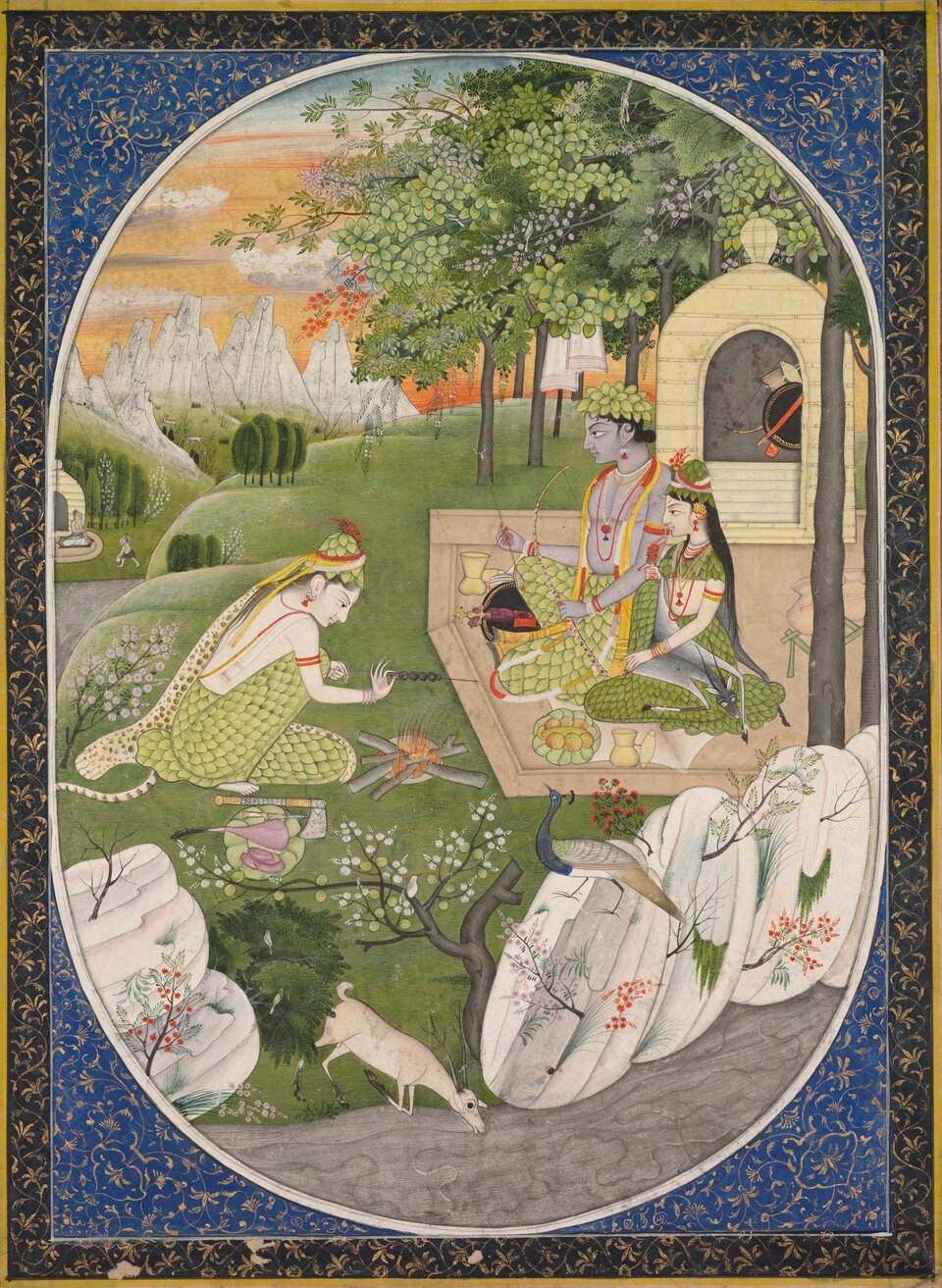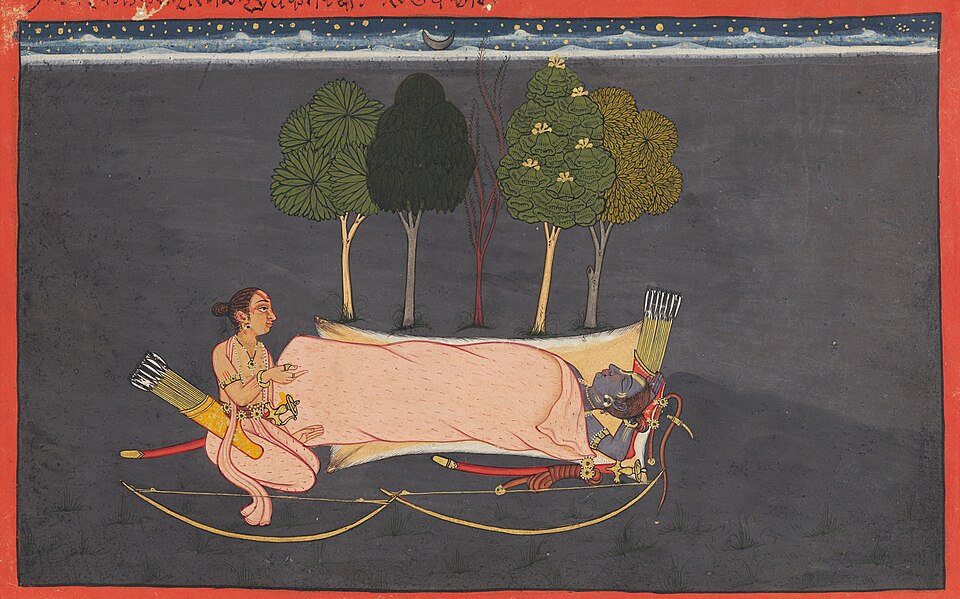
Bharata's meeting with Rama is one of the most searching episodes in the exile narrative. He comes hoping Rama will return, yet the brothers do not resolve the crisis simply by wishing the same thing. Rama remains committed to the period of exile, and Bharata must decide how to act within that refusal.
A meeting that does not end with agreement
The conversation at Chitrakuta concerns kingship, family obligation and the promise behind the exile. Bharata's rejection of an easy claim to power is central. He does not treat Rama's absence as a convenient personal opportunity.
At the same time, the kingdom cannot be left without administration. The story moves from an argument about who should rule towards an arrangement for holding responsibility during another person's absence.
Why the sandals matter
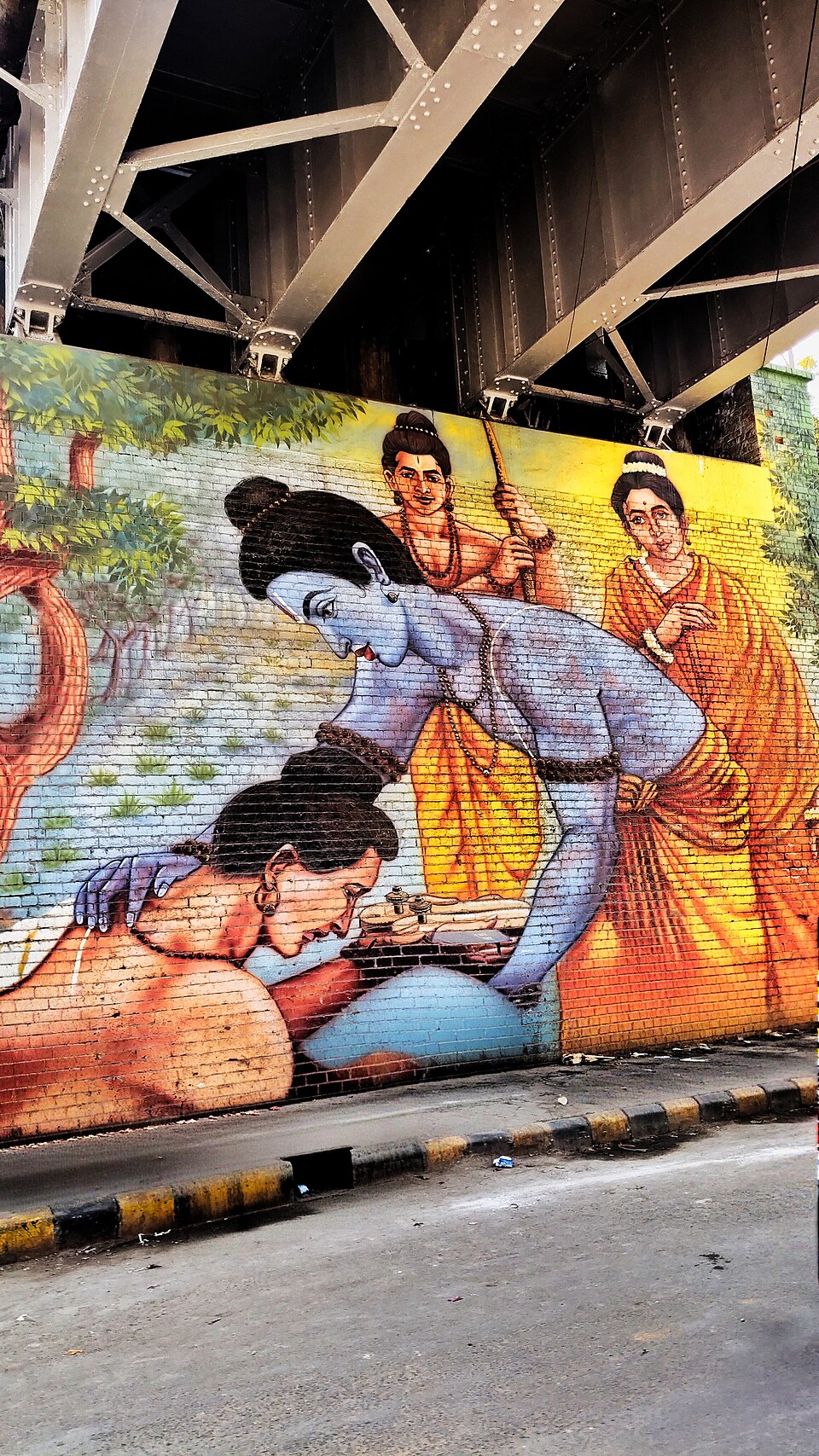
In Ayodhyakanda 112, Rama gives Bharata his sandals. Bharata receives them as the sign under which he will govern while awaiting Rama's return. An ordinary personal object becomes a visible reminder that authority is held on behalf of someone else.
The symbol has force because it limits Bharata's claim rather than enlarging it. The sandals keep the absent Rama at the centre of the arrangement and give public form to Bharata's intention.
Trust requires conduct
A contemporary reader might connect the episode with stewardship: caring for something without treating it as private possession. That connection is an interpretation, not a statement that the epic describes a modern constitutional system.
If someone holds a role temporarily, what actions show that they understand its limits? Keeping records, avoiding personal misuse and preparing to hand responsibility back are possible modern examples. The question becomes more useful when it concerns conduct rather than a flattering comparison with an epic character.
Look closely at representations
Paintings and devotional images often show Bharata receiving or carrying the sandals. Read the caption and examine the gestures before assuming every scene depicts the same moment. A later artwork expresses an interpretation; it is not a contemporary portrait of the event.
The story remains moving because affection and restraint appear together. Bharata honours Rama by accepting a demanding responsibility without making it an excuse for personal possession.