A temple visit can be devotional, architectural, historical or all three. The experience becomes clearer when a visitor knows which questions belong to which purpose. You do not need specialist training to look carefully, but a few habits can make a visit more rewarding and a later account more reliable.
Prepare one page of information
Write the site’s name, location, main religious association and a reliable source for current access. Add two or three questions you hope to explore. This is enough to give the visit direction without turning it into an examination.
Check whether the destination is an active place of worship, a protected monument or both. That affects expectations about entry, photography, clothing and movement. A general tourism image does not tell you the rules in every area.
Look before taking the first photograph
Spend a few minutes understanding the approach and the relationship between major spaces. Where do people enter? What draws attention? How does the building relate to a courtyard, water body or surrounding settlement? These observations create a framework for the details you will notice later.
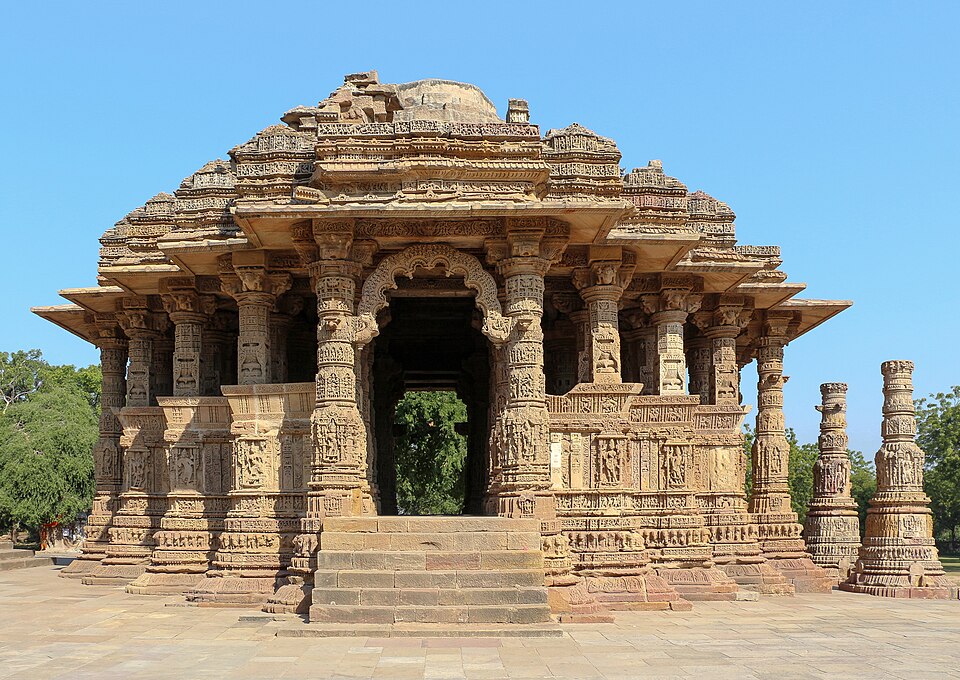
At a site such as Modhera, the relationship between built elements and the larger setting is part of the experience. A photograph of a single carved pillar cannot communicate the whole arrangement. Take a contextual view where permitted, then a few details with a clear purpose.
Ask a guide precise questions
Instead of asking for “all the secrets,” ask how a particular feature is identified or dated. Is the explanation based on an inscription, a published study or local tradition? A knowledgeable guide can often explain the distinction, and the question need not be confrontational.
If told an extraordinary claim, ask what evidence supports it. A story may be worth recording as a story even when it is not established history. The problem arises when the distinction is lost.
Keep worship and observation compatible
Do not interrupt prayer to ask an architectural question. Move aside from queues before taking notes. Ask permission before photographing people and accept a refusal without argument. The site is not arranged solely for a visitor’s curiosity.
Where access is restricted, describe the limit honestly. Do not use a photograph from elsewhere to imply that you saw inside. A clear account of a permitted exterior is better than an impressive but misleading image.
Record three kinds of notes
Separate direct observation, information from a source and personal reflection. “The hall has carved pillars” is an observation. “The guide dates this addition to a later period” is attributed information. “The space felt quiet” is a personal response. All can belong in a travel account when their status is clear.
Note the date of your visit as well. Practical details such as queues and opening arrangements can change. A dated experience is more useful than a timeless promise that everyone will encounter the same conditions.
Leave with care
Follow conservation barriers, avoid touching carved surfaces and take waste with you. If buying from local craftspeople, ask about the object and its making rather than assuming that every souvenir is locally produced.
When sharing the visit, choose accurate captions and include sources for historical claims. You may end with fewer photographs and fewer superlatives, but a clearer understanding of the place. That makes the account more useful to the next visitor and more respectful of the people who care for the site.
Sources & further reading
www.gujarattourism.com — reference and further reading. Interpretive reflections and practical reading suggestions in this article are the website’s own explanatory material. Check current official arrangements before travelling.