The Dnyaneshwari is a Marathi exposition of the Bhagavad Gita associated with Sant Dnyaneshwar. It is also known as the Bhavarthadipika. Calling it simply a word-for-word translation misses the way an exposition explains, develops and illustrates a source text for its listeners and readers.
Keep two texts in view
The Bhagavad Gita presents the dialogue between Krishna and Arjuna within the Mahabharata. The Dnyaneshwari reflects on that teaching in Marathi. When reading, identify which words belong to the Sanskrit Gita and which belong to Dnyaneshwar's explanation.
This distinction does not diminish the commentary. It helps the reader appreciate what it contributes: a way of unfolding the meaning, making connections and giving an audience a language for difficult ideas.
Start with a manageable passage
Choose a section short enough to read slowly. Read the corresponding Gita verse, then the Marathi passage and a clear explanation if needed. Trying to finish a large number of pages can make the experience less useful than understanding one sustained comparison.
Keep three kinds of notes: unfamiliar vocabulary, the main question being discussed and an example that helps you follow the explanation. Do not worry if a philosophical term remains unsettled after one reading. Returning to a passage is part of studying it.
Why Nevasa matters
Ahilyanagar district's heritage account associates the composition of the Dnyaneshwari with Nevasa and the memorial known as Pais Khamb. This local connection is distinct from Alandi's association with Dnyaneshwar's samadhi. A literary work can have several places in its remembered history, each connected with a different event.
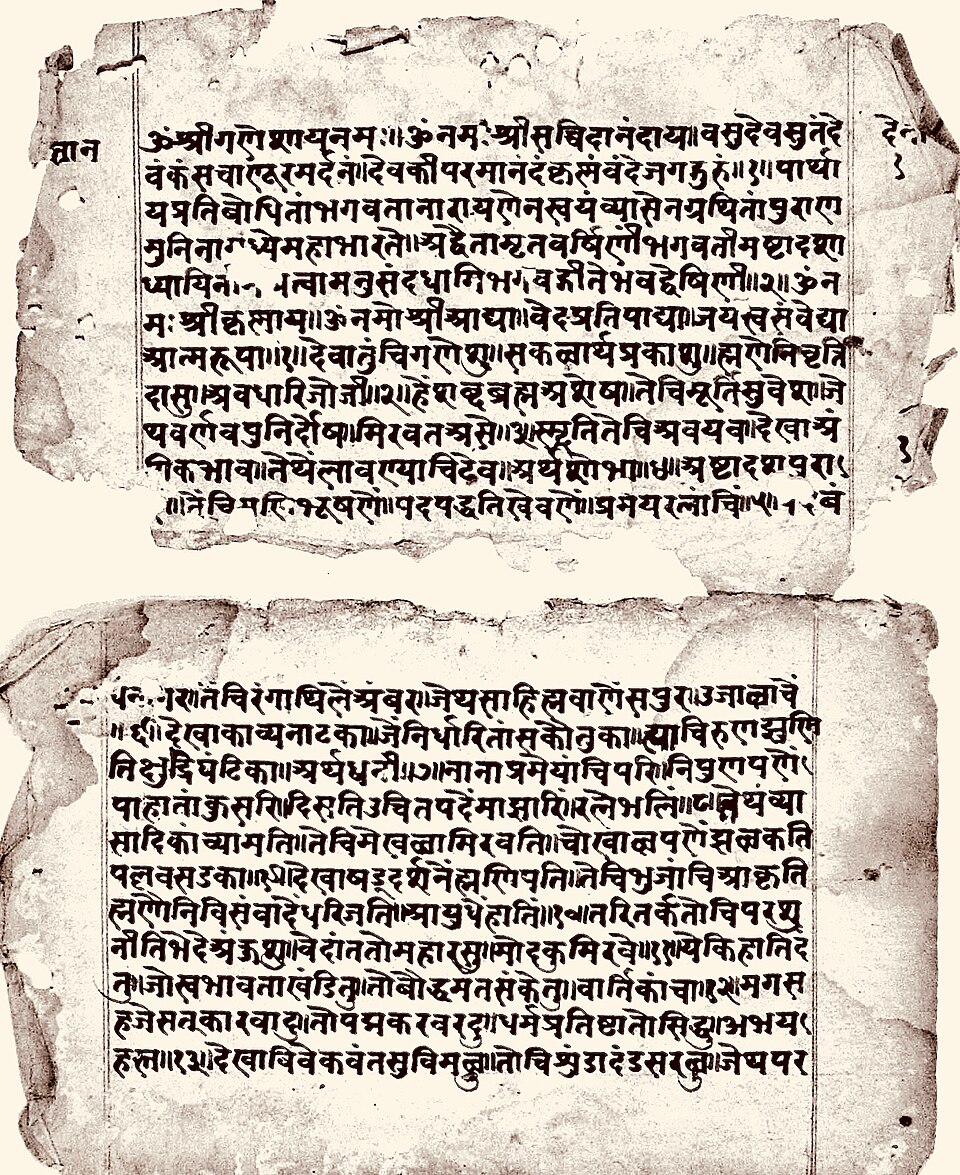
Visiting a memorial can add context, but the visit does not replace reading. Likewise, a photograph of a manuscript is evidence of that particular manuscript, not automatically of the author's own handwriting.
Choosing an edition
Look for an edition that clearly identifies its text, explanatory notes and any modern translation. Page numbers may differ between editions; chapter and verse or ovi references make a passage easier to locate again.
If reading with children or beginners, paraphrase a small passage after reading it rather than replacing the whole work with motivational sayings. The pleasure of the Dnyaneshwari lies partly in staying with its language long enough to notice how an explanation develops.