Hinglaj Mata is a revered Goddess shrine in Balochistan, Pakistan. Its association with the Shakti Peetha tradition places it within a devotional geography that crosses present national borders. A responsible guide must respect that sacred connection while remaining precise about the practical realities of travel.
A place within several kinds of geography
The shrine belongs to a physical landscape, to local community life and to a sacred narrative. These layers should not be collapsed into one. A statement about Sati’s body in a Peetha list explains a devotional association; it does not establish a modern route or a border-entry arrangement.
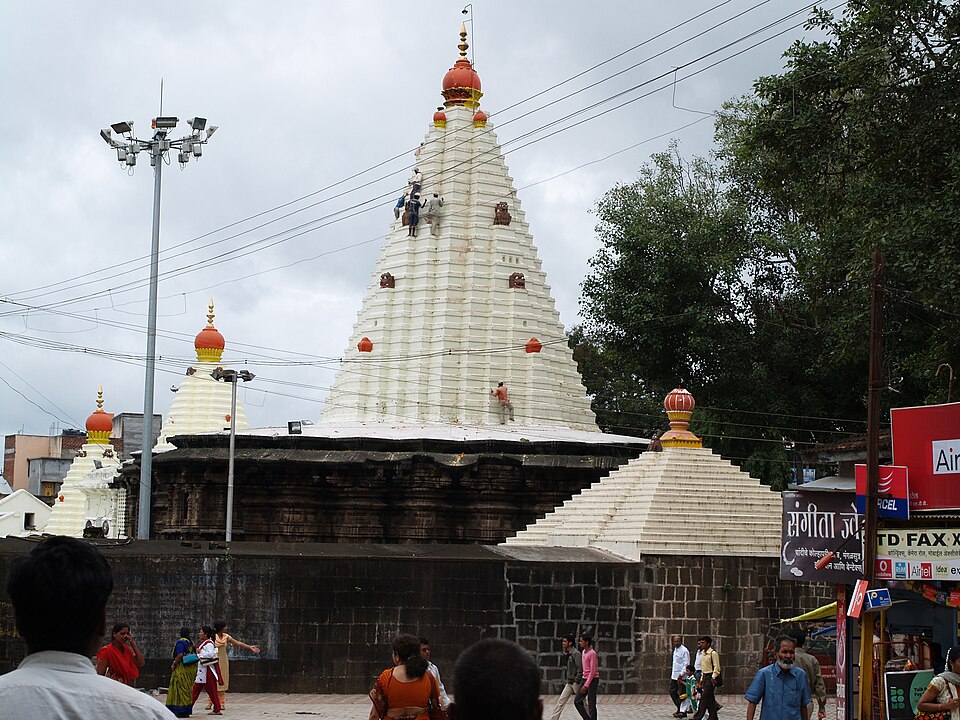
Names and spellings can vary in English. When looking for practical information, confirm that the source concerns the actual shrine and not another temple named after Hinglaj Mata elsewhere. A similar name is not enough to identify a photograph or destination.
Approach local tradition with care
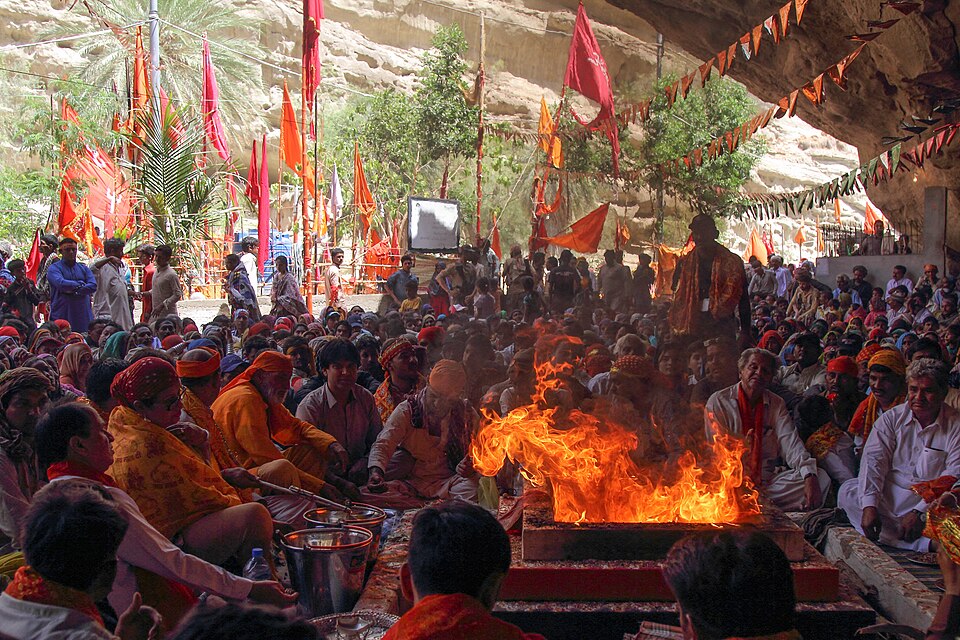
Ask how worshippers describe the Goddess and the journey. Avoid presenting the place only as remote, dangerous or exotic. Such language can hide the people who maintain the shrine and the ordinary work that supports a pilgrimage.
At the same time, admiration should not become an assurance that a journey is straightforward. The author of a general cultural article cannot promise current access, security or permission to travel. Those questions require up-to-date official guidance suited to the traveller’s nationality and circumstances.
Separate preparation from devotion
Before considering a visit, check entry requirements and relevant travel advice with the responsible authorities. Confirm transport, accommodation and local arrangements through dependable contacts. Do not rely on a devotional map as though it were a complete travel plan.
Avoid publishing a fixed itinerary that sends readers into unfamiliar areas without acknowledging current conditions. A guide is most useful when it clearly states what it knows and where a fresh check is necessary.
The value of learning at a distance
Not every connection with a sacred place requires immediate travel. Reading a carefully attributed account, listening to community histories and studying the wider Peetha tradition can be worthwhile in themselves. A person unable to undertake a journey should not be made to feel that their interest or devotion is incomplete.
Hinglaj’s significance invites attention to the way sacred relationships continue across distance. Describing that relationship honestly is more valuable than filling an article with unverified distances, invented nearby attractions or a photograph of an unrelated temple.
Sources & further reading
www.britannica.com — reference and further reading. Interpretive reflections and practical reading suggestions in this article are the website’s own explanatory material. Check current official arrangements before travelling.