A yoga class involves more than instructions about movement. It also involves decisions about touch, privacy and how much choice a participant feels able to exercise. Discussing those decisions openly makes the learning relationship clearer, particularly for people who are new or hesitant to speak in a group.
Permission is specific
A person may welcome a verbal explanation but decline touch. They may accept an adjustment on one occasion and decline it later. A general statement at the beginning of a term should not be treated as permanent permission for every action. Preferences can change without requiring a personal explanation.
Ask the teacher how consent is handled. Is permission requested before each adjustment? Is there a simple way to decline? Can the same point be explained verbally or demonstrated without moving a student's body? These are practical questions about teaching, not accusations.
Choice includes stopping
An instruction is not an obligation to continue through pain or distress. Participants should be able to rest or leave an activity out without public criticism. The teacher can explain the purpose of a practice while still allowing a person to choose an alternative.
This matters when a class includes breath holding, chanting or a religious observance as well as physical movement. Some people may wish to participate fully; others may prefer to listen. Clear information beforehand helps avoid a pressured decision in the middle of a session.
Photographs need their own agreement
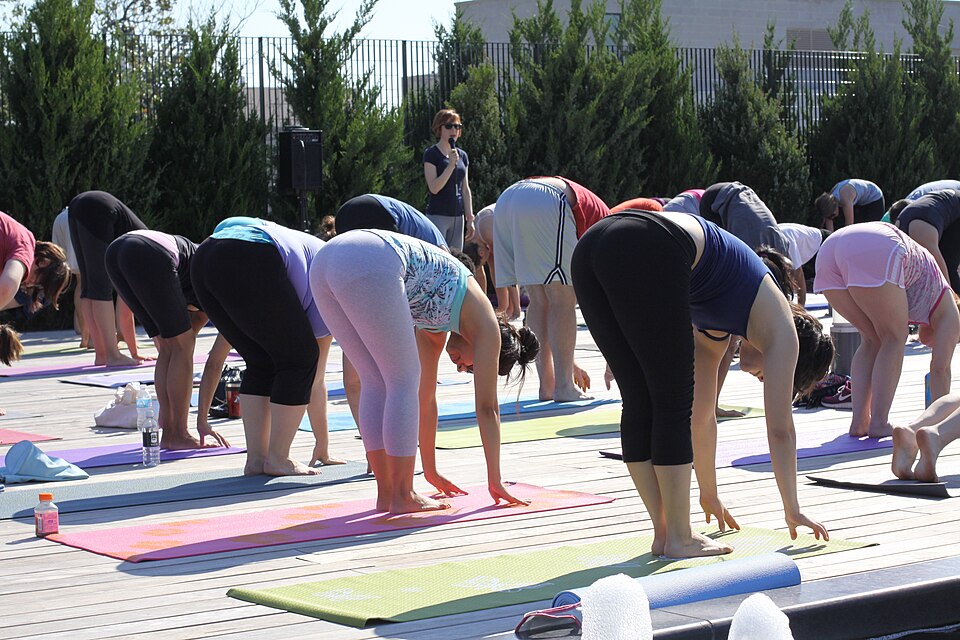
Agreeing to attend a class is not the same as agreeing to appear in its promotional photographs. Ask whether images will be taken, where they will be posted and how to stay out of the frame. Permission for an internal group image need not include public advertising.
If you organise a session, explain photography arrangements before people arrive and again on the day. Give participants a usable alternative rather than expecting someone to object in front of everyone. Do not publish names or personal health details alongside a photograph without clear agreement.
Evaluate the response
A constructive teacher can answer these questions without dismissing them as lack of trust. If a boundary is ignored, you can repeat it, leave or raise the issue with the organiser. You do not need to demonstrate advanced knowledge of yoga to decide who may touch or photograph you.
This is a practical account of respectful participation, not a statement of legal requirements. It asks a simple question of the learning environment: can a person make an informed choice and expect that choice to be respected?