A Vastu Purusha Mandala is a way of organising space through a grid and a set of symbolic relationships. It is important to the study of Indian architectural traditions, but it should not be treated as a photograph of every temple's plan. A diagram and a built complex answer different kinds of question.
Begin with the grid you have
Count the divisions and look for names, directions and a marked centre. Sixty-four- and eighty-one-part grids are familiar examples, but an actual image needs its own identification. A reproduction without a source, date or explanation may combine features from several accounts.
The Purusha figure and the assignment of deities belong to a religious understanding of space. Describing them as symbolic does not make them unimportant. It clarifies what kind of explanation is being offered, without claiming that a drawing measures a physical energy field.
Compare carefully with a plan
A floor plan records relationships among walls, openings and spaces at a particular scale. To compare it with a mandala, first establish which building phase is represented. Temples can expand through successive additions, and the plan visible today may not correspond to a single moment of design.
Do not force an irregular complex into a perfect grid by ignoring the parts that do not fit. A useful comparison records both correspondences and differences. The source of a measured plan matters more than the neatness of a diagram redrawn for a social-media post.
The visitor experiences a sequence
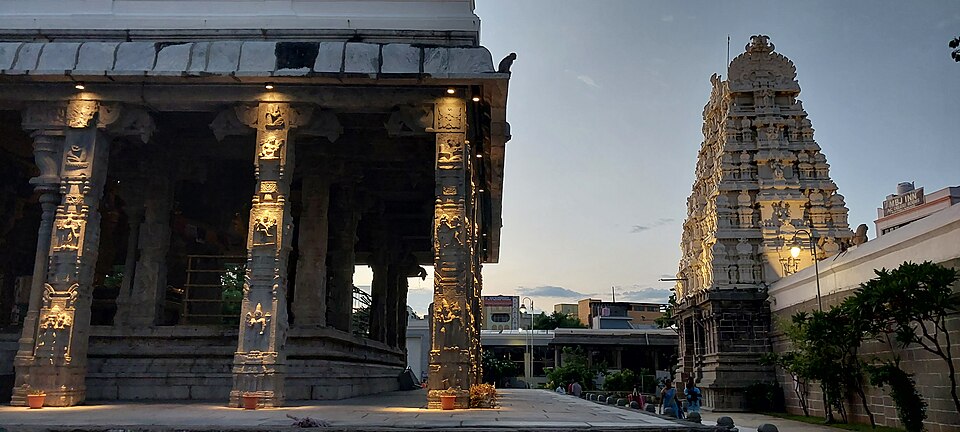
An entrance, courtyard, hall and sanctum can organise movement and attention, but their arrangement varies. Light, crowding, sound and restrictions also change the experience. An architectural interpretation should not claim that every person entering a dark room will automatically reach the same mental state.
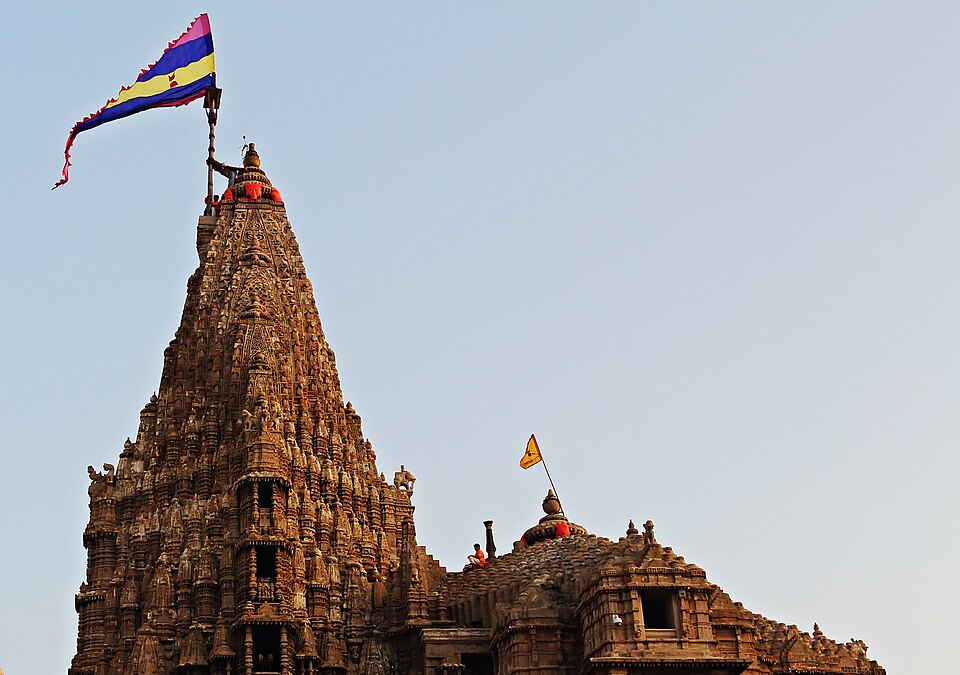
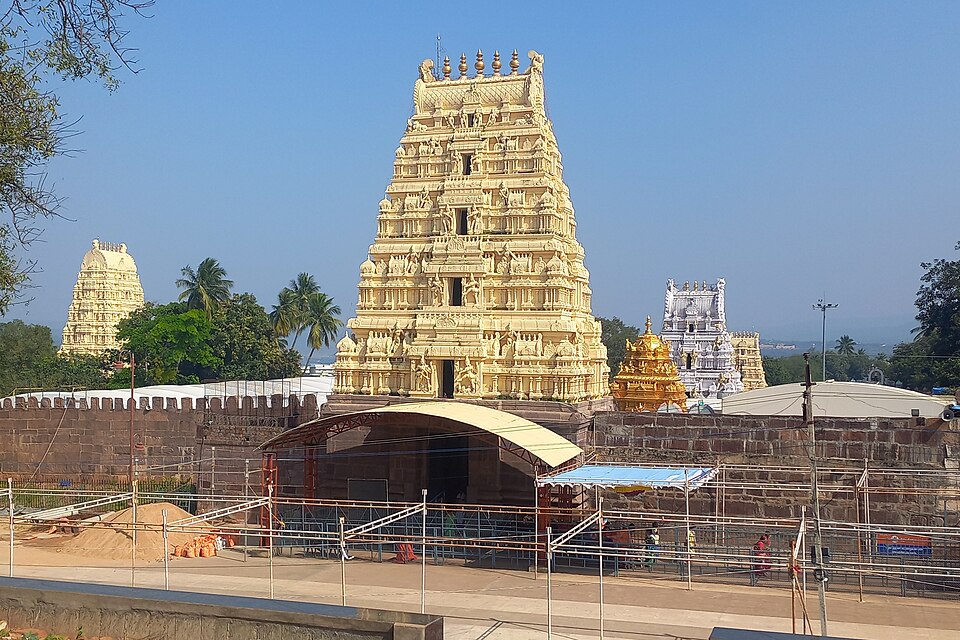
Similarly, terms for towers and their elements need to be used in relation to the building concerned. Not every temple has the same crowning forms. Looking closely at a particular example is more informative than assembling all familiar Sanskrit terms into one supposedly universal description.
Keep observation and interpretation together
During a permitted visit, sketch the route you take and note where the plan is unclear. Compare the sketch with an official plan or a well-documented architectural study later. Record symbolic explanations as explanations, with their sources beside them.
The earlier page described temples as physically drawing celestial energy into stone. That unsupported physical claim has been removed. Sacred geometry can be studied through texts, drawings, ritual and buildings without requiring an unmeasured engineering promise. The distinction makes it easier to appreciate both the cultural meaning of a mandala and the particular decisions embodied in a real monument.