A Jyotirlinga is understood in Shiva devotion as a manifestation associated with divine light. The familiar network of twelve shrines gives this idea a geographical form. Understanding the tradition means keeping its sacred narrative, its philosophical interpretations and the history of individual temples in view.
The pillar of light narrative
In the widely told account, Brahma and Vishnu encounter a column whose limits they cannot discover. Shiva’s manifestation reveals the limits of their attempt to measure or claim supremacy over it. The story can be read as a reflection on humility before the divine.
This is a religious narrative, not a description of an experimentally observed beam or a modern cosmological event. Describing it as ‘energy’ may be meaningful in devotional speech, but it does not establish a claim about physics.
One tradition, different places
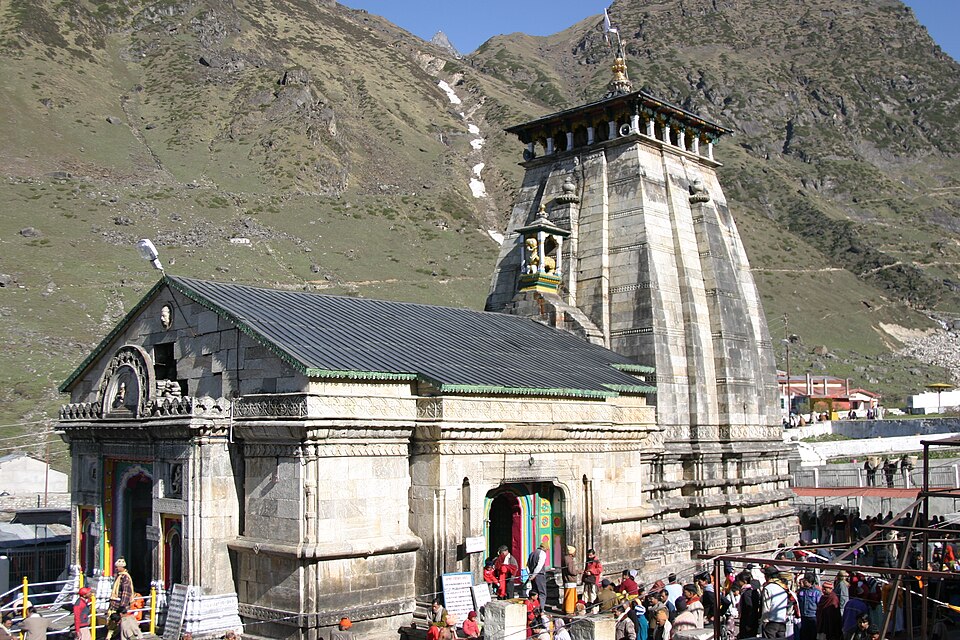
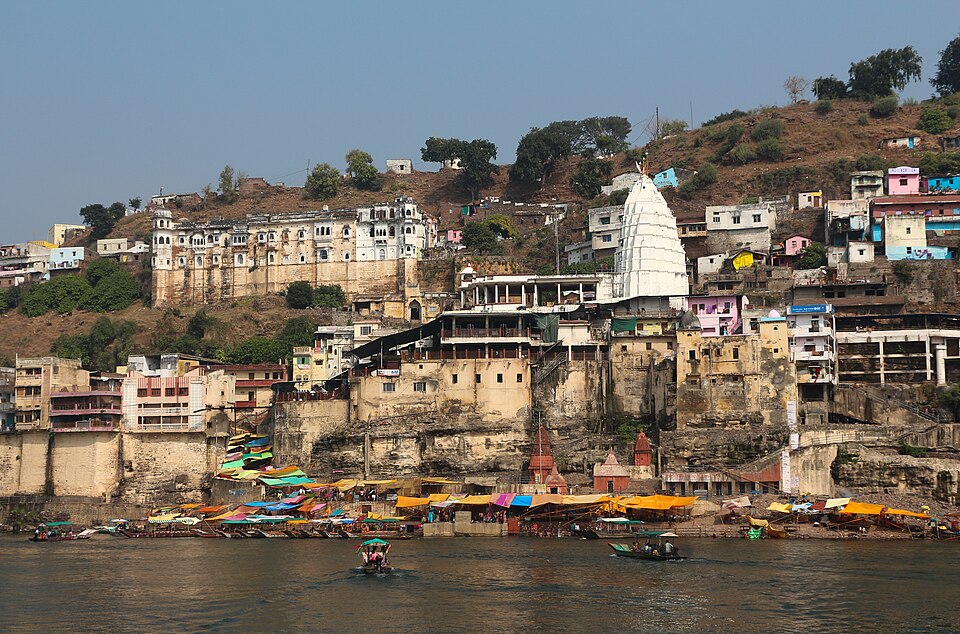
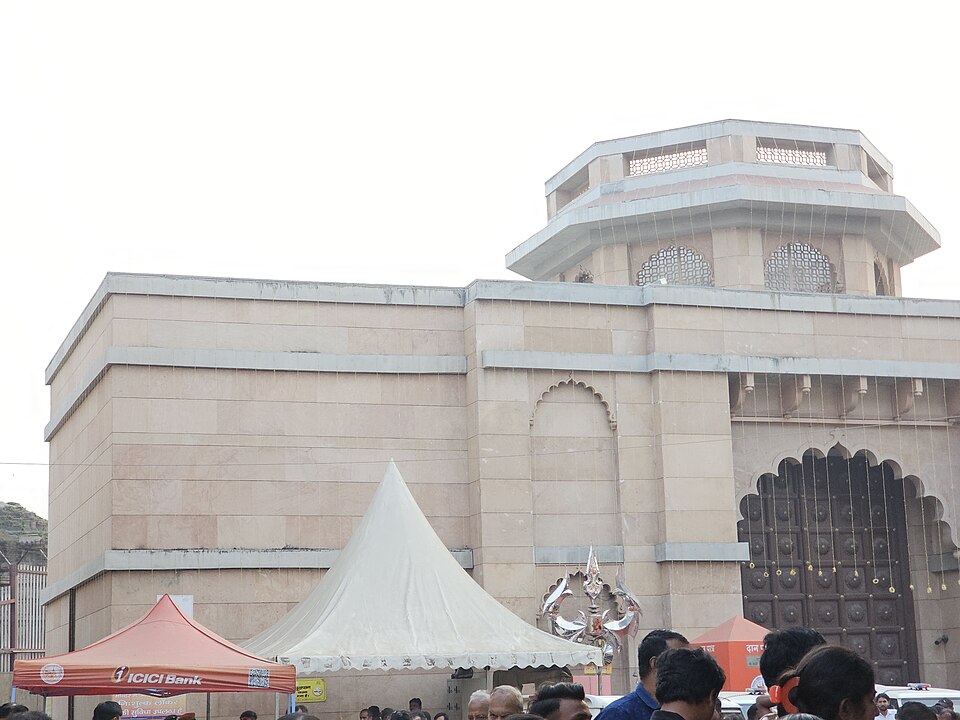
Somnath, Srisailam, Ujjain and the other destinations have their own local histories and forms of worship. Gujarat Tourism’s account of Somnath offers one starting point; Madhya Pradesh Tourism separately discusses the Jyotirlinga destinations at Omkareshwar and Ujjain.
A shared position in the list does not mean that every shrine has the same architecture, opening calendar or ritual arrangements. Some identifications, including those discussed under Vaidyanath and Nagesh, also have competing regional claims. A modern travel list should make its chosen locations explicit.
How to read a temple history
Ask which statement concerns the sacred site and which concerns a surviving building. A shrine can be revered as ancient while its visible structure includes rebuilding from later periods. A photograph cannot settle that chronology without inscriptions, records or appropriate historical research.
Prepare for the particular shrine
Use the temple’s current announcements for opening dates, access and permitted offerings. Mountain and coastal destinations pose different practical questions, and one general dress or weather rule cannot cover all twelve. A paid ritual, ordinary darshan and entry to a sanctum may also involve different arrangements.
A thoughtful visit need not be a race to finish a list. Time spent learning the local name, reading an inscription or understanding a ceremony can make one destination more meaningful. Keep notes of what you actually observed and distinguish them from explanations you read or heard.
Further reading
Gujarat Tourism — Somnath; Madhya Pradesh Tourism — Jyotirlinga destinations.