A festival may be internationally recognised and still belong most closely to the people who organise it in a particular place. Ramman is a useful reminder of that distinction. Recognition invites wider interest, but it does not turn a community’s religious calendar into an attraction available whenever an outside visitor happens to arrive.
Start with the local setting
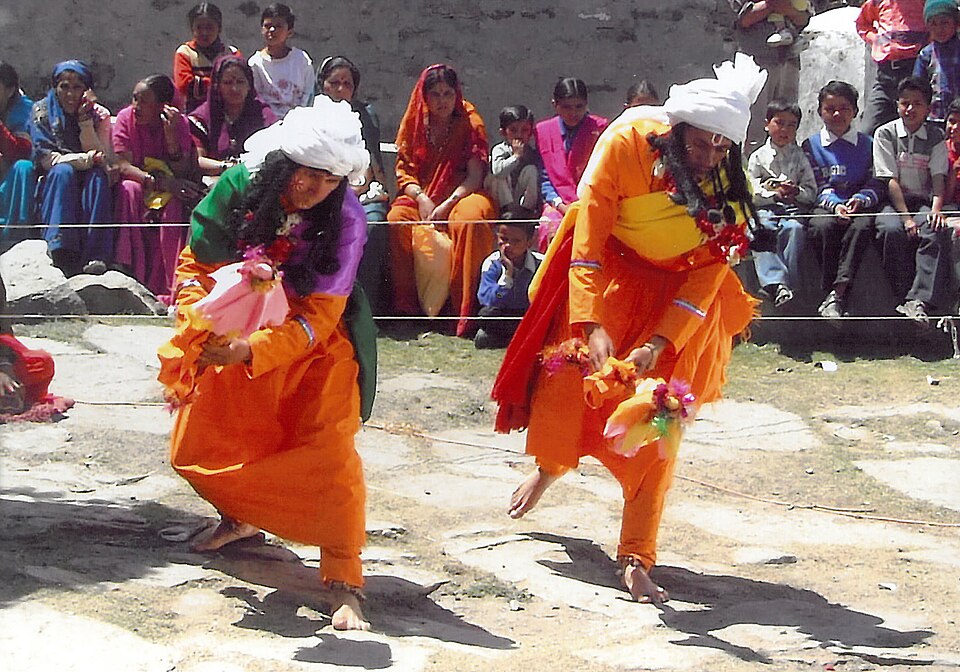
Ramman is associated with the twin villages of Saloor-Dungra in the Garhwal Himalayas of Uttarakhand. Its combination of religious observance and ritual theatre is rooted in a specific community setting. The place-name matters; it should not be replaced by the broad label of a generic Himalayan festival.
Read an authoritative introduction before planning a visit, then seek current local information about whether and how visitors can attend. A heritage listing explains significance, not the current programme, transport or permission arrangements.
Look for shared responsibilities
A community event depends on preparation, musicians, performers, organisers and people whose work may remain outside the most visible scene. Ask how participation is organised if an appropriate public explanation is offered.
Avoid assuming that everyone has the same role or that a visitor may join any activity. Boundaries can be part of the observance. Understanding them is more respectful than treating them as an inconvenience to overcome for a better view.
Let performance and ritual remain connected
An isolated mask or dance image can circulate far from its setting. During an encounter with Ramman, pay attention to where an action occurs and what comes before and after it. The sequence may explain more than a close-up of a costume.
If a detail is unfamiliar, describe what you saw before proposing a meaning. A performer’s identity, the narrative role and the ritual purpose are separate questions, and they may require different sources to answer well.
Share a modest, accurate account
Use the correct name and location when publishing a permitted photograph. Give credit to performers or organisers when they have agreed to be identified, and do not publish restricted ritual material merely because a phone could record it.
It is reasonable to leave a festival with unanswered questions. A good visitor account can explain what was publicly shared, what was observed and what remains outside the writer’s understanding. That kind of precision helps preserve the connection between Ramman and the people for whom it is a recurring responsibility, not a single unusual evening in a travel itinerary.
Sources & further reading
UNESCO Intangible Cultural Heritage — tradition and community context