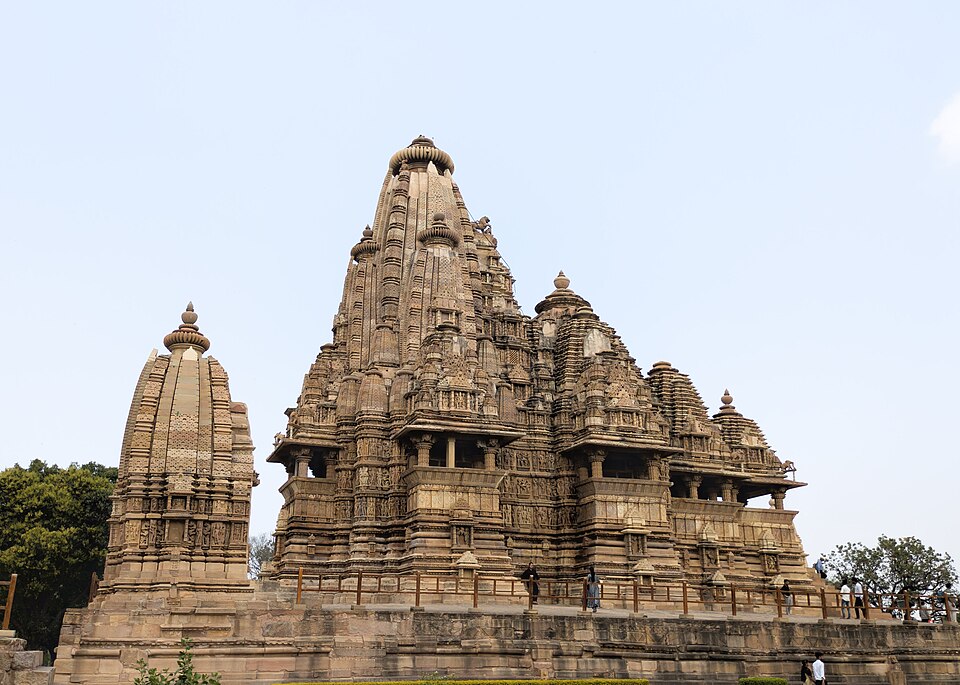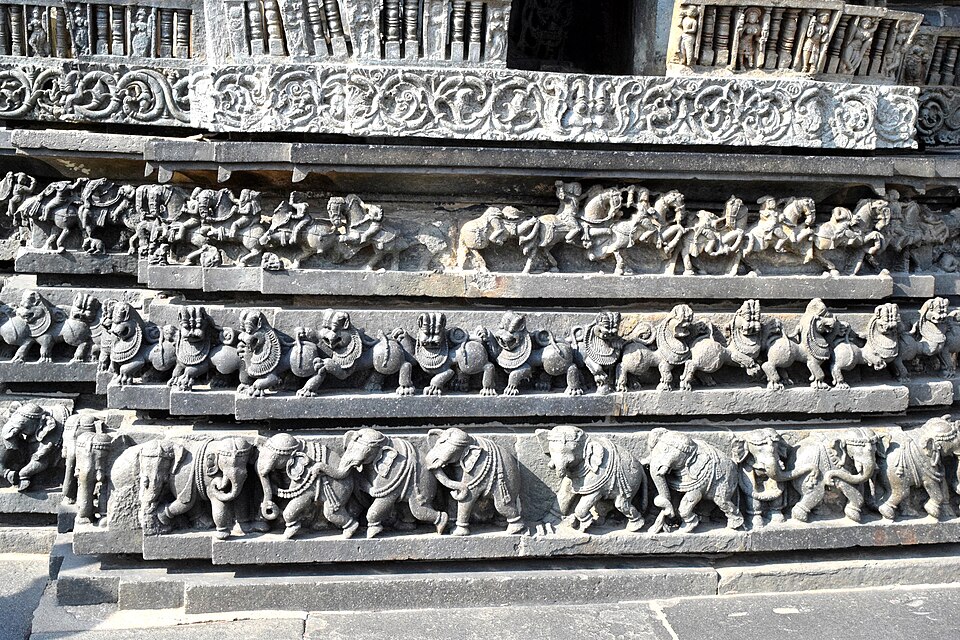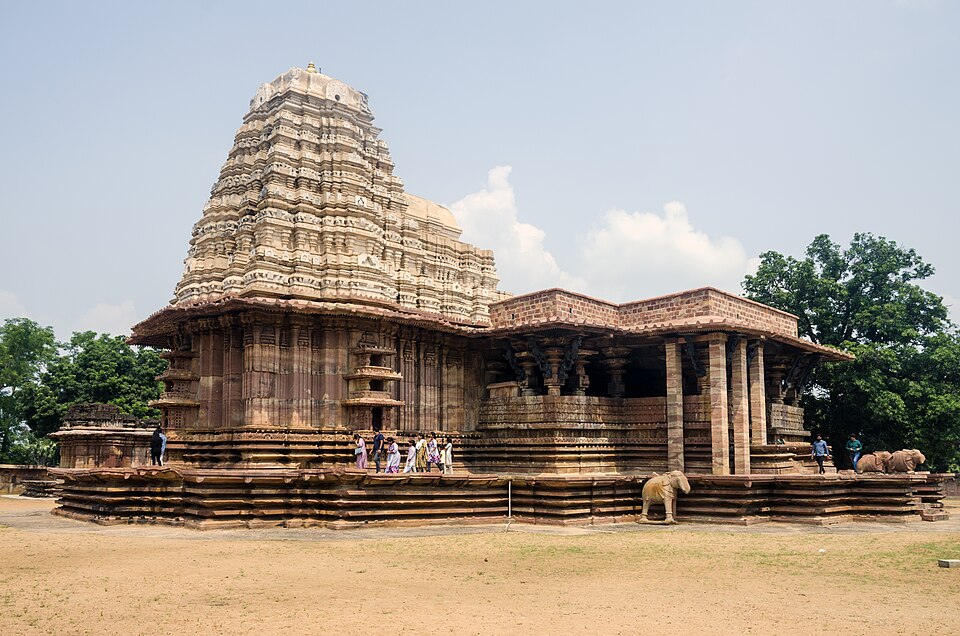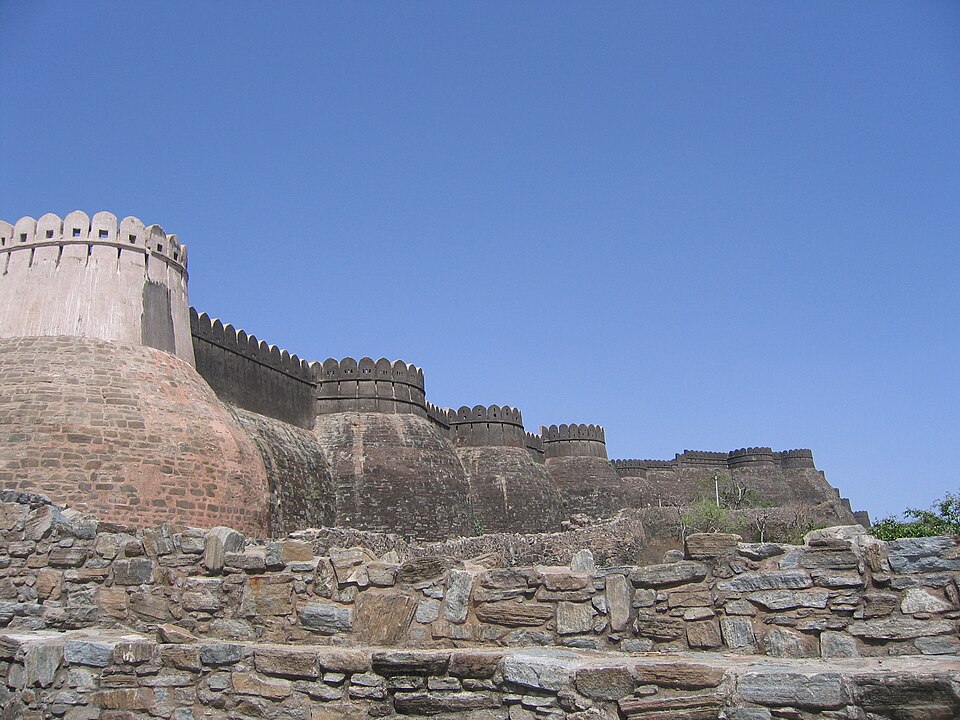
Kumbhalgarh’s wall is striking because it follows a landscape rather than ignoring it. A photograph may emphasise its length, but the more interesting question is how the fort uses the hills. Curves, slopes and changes in visibility explain why a defensive boundary is more than a line measured in kilometres.
Read the approach
Before concentrating on the highest viewpoint, notice the route into the fort. Where does it turn? When does an entrance become visible? How much of the area beyond can be seen from each stage? An approach can be designed to slow, channel or expose movement.
You do not need a military reconstruction to begin noticing those effects. Describe the sequence you experience and compare it with a reliable plan. A personal impression becomes more useful when the route can be located accurately.
Look beyond a record-breaking claim
Kumbhalgarh belongs to the UNESCO Hill Forts of Rajasthan ensemble. Popular descriptions often concentrate on superlatives about its walls. Such claims may depend on definitions and measurements, and they do little to explain the visitor’s experience.
Instead, choose a short visible section. See how it rises and falls with the ground and how openings or changes in form relate to the terrain. One carefully described section can teach more about the fort than repeating a global ranking without a source.
Consider life inside the boundary
A fortified area can include religious buildings and spaces serving daily life as well as defensive works. Ask how people would move between them. The wall protected a place with activities and meanings, not merely an empty summit.
Check the identity of a building before calling it a palace, shrine or store. The fact that a structure stands within a fort does not establish its function. Labels and local interpretation help prevent a convincing-looking mistake.
Keep the walk proportionate
Steep routes and exposed viewpoints require sensible pacing. Check current access, weather and any restrictions through local official information. A historic wall is not an invitation to climb beyond the visitor path for a dramatic view.
When you return to your photographs, pair a close view of the wall with a wider view showing the slope. That combination preserves the relationship that makes Kumbhalgarh distinctive. The fort’s achievement becomes clearer when the hill remains part of the explanation, rather than being cropped away as background scenery.
Sources & further reading
UNESCO World Heritage Centre — site history and significance