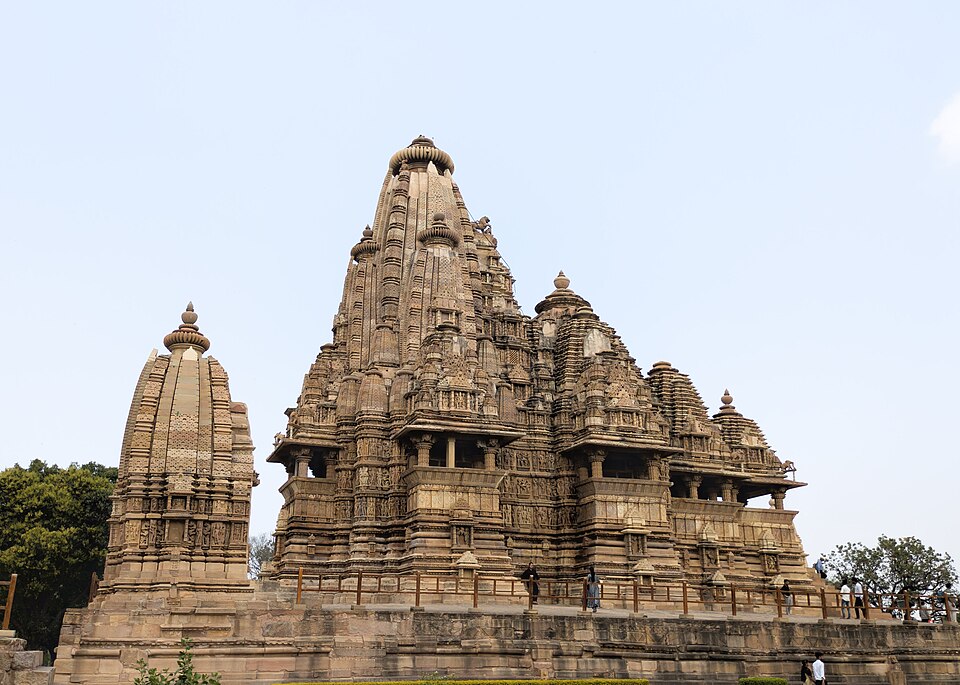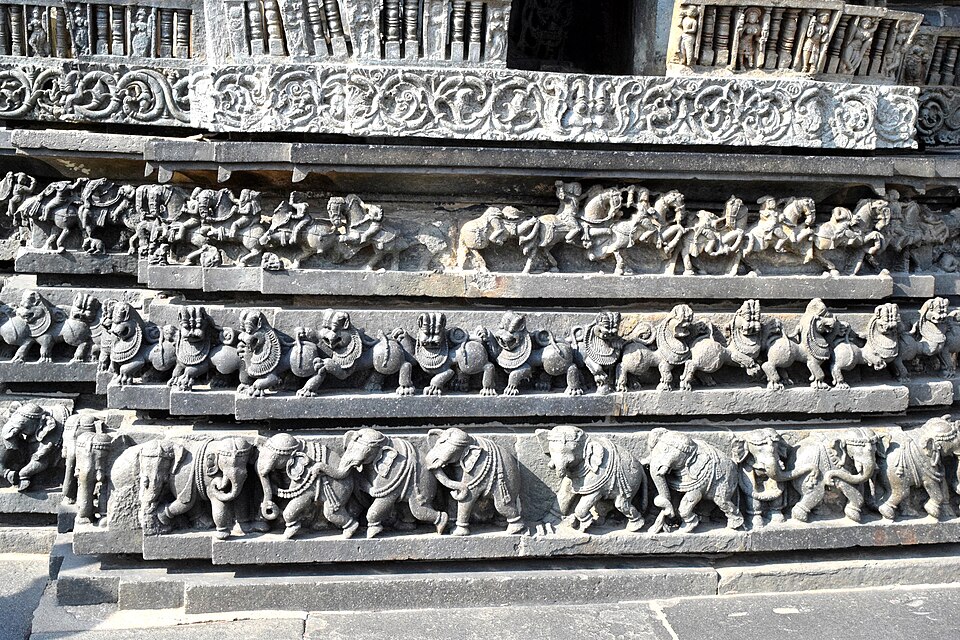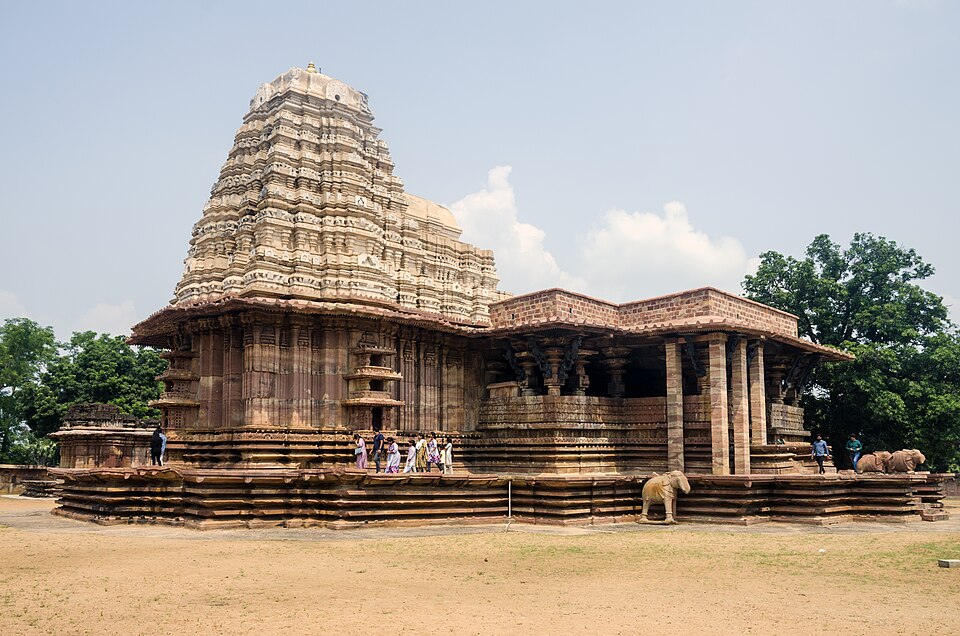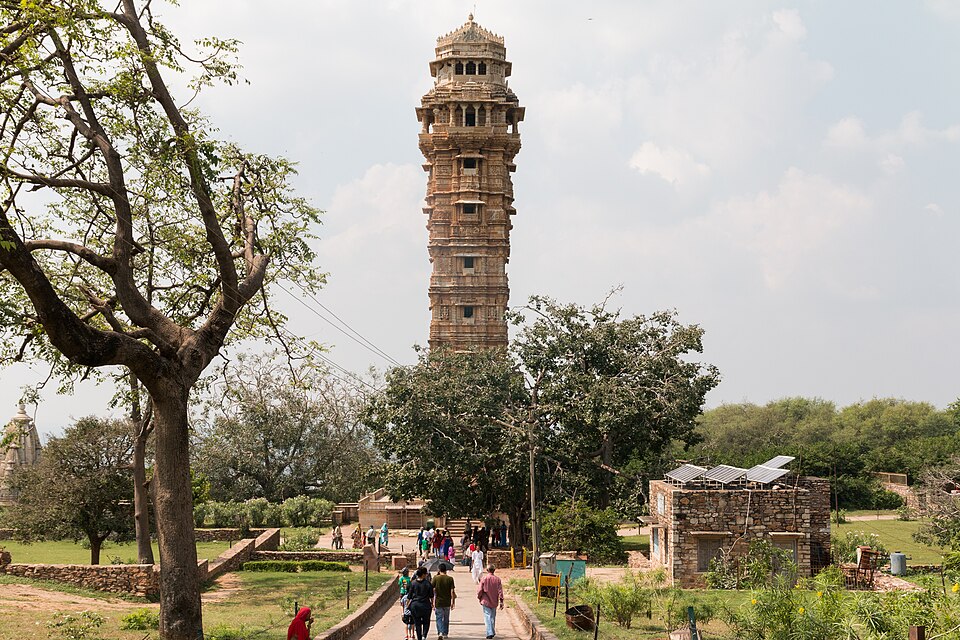
Chittorgarh’s stories can be emotionally powerful, but the fort is also a large and varied physical place. Towers, temples, reservoirs and routes deserve attention alongside accounts of siege and heroism. Keeping narrative and material evidence in conversation produces a richer visit than allowing either one to replace the other.
Distinguish kinds of historical account
Chittorgarh forms part of the UNESCO-listed Hill Forts of Rajasthan. Its surviving fabric can be studied through construction, inscriptions and documented events. Literary and oral traditions add another layer, sometimes developing long after the events they describe.
When hearing a story, ask gently what kind of source supports it. “A later literary account” is meaningful information. It does not have to be presented as an eyewitness report for the story to matter culturally.
Give the towers their own identities
The Vijay Stambha and Kirti Stambha should not be confused simply because both are towers within the fort. Check the name and context of the monument in front of you. A caption that says only “Chittor tower” loses useful historical information.
Look at a tower’s position in the wider space before focusing on carved surfaces. How is it approached? Which other buildings stand nearby? These questions help connect vertical monuments with movement through the fort.
Remember water and residence
A fortified settlement needed more than a dramatic gateway. Notice how the landscape accommodated ordinary survival and religious life. Water structures and routes can redirect attention from a single battle towards the longer experience of inhabiting a defended place.
Do not assign a function to every hollow or enclosure without checking. Archaeological landscapes contain features from different periods, and a modern-looking repair can coexist with much older material.
Discuss violence without romanticising suffering
Accounts of siege may include extreme suffering and the deaths of women, men and children. They can be discussed with seriousness without presenting death as something visitors should admire or imitate. Clear attribution also helps distinguish historical evidence from later ideals of honour.
If visiting with children, explain the difference between a story remembered by a community and a fact established by a particular source. Then return to an observable feature: a gate, a reservoir or a temple. The movement between story and stone can make history more thoughtful, and more memorable, than a sequence of dramatic claims delivered without context.
Sources & further reading
UNESCO World Heritage Centre — site history and significance