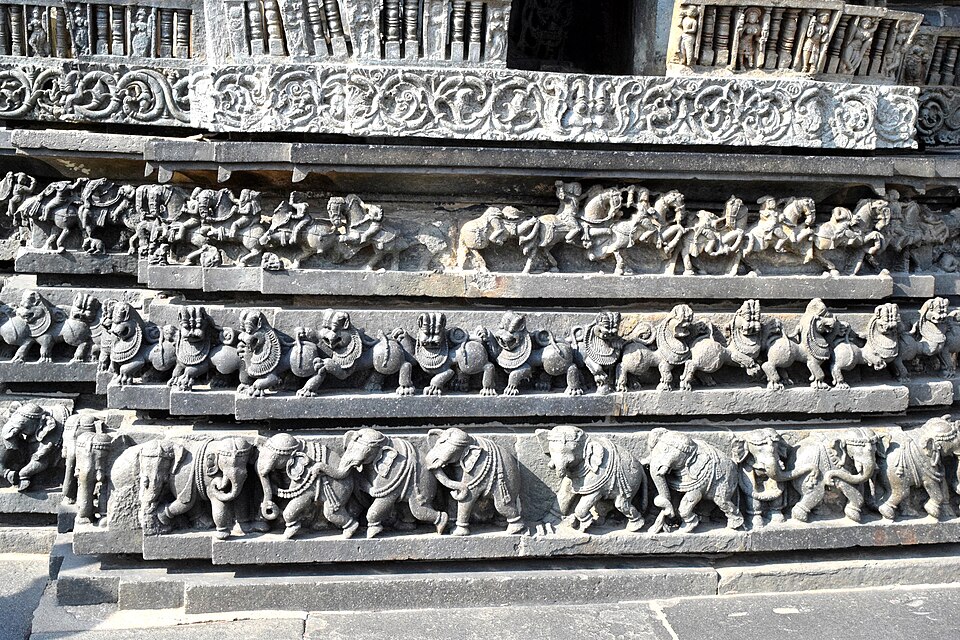
At a Hoysala temple, the eye can become overwhelmed before it has settled anywhere. Small figures, decorative bands, projections and polished-looking pillars compete for attention. The solution is not to look faster. Change scale deliberately: take in the plan, follow a horizontal band, and only then choose a single carved scene.
Know which ensemble you are visiting
The UNESCO-listed Sacred Ensembles of the Hoysalas comprise temples at Belur, Halebidu and Somanathapura in Karnataka. Their relationship is useful to study, but they should not be treated as three identical stops. Record the name of the temple as well as the town.
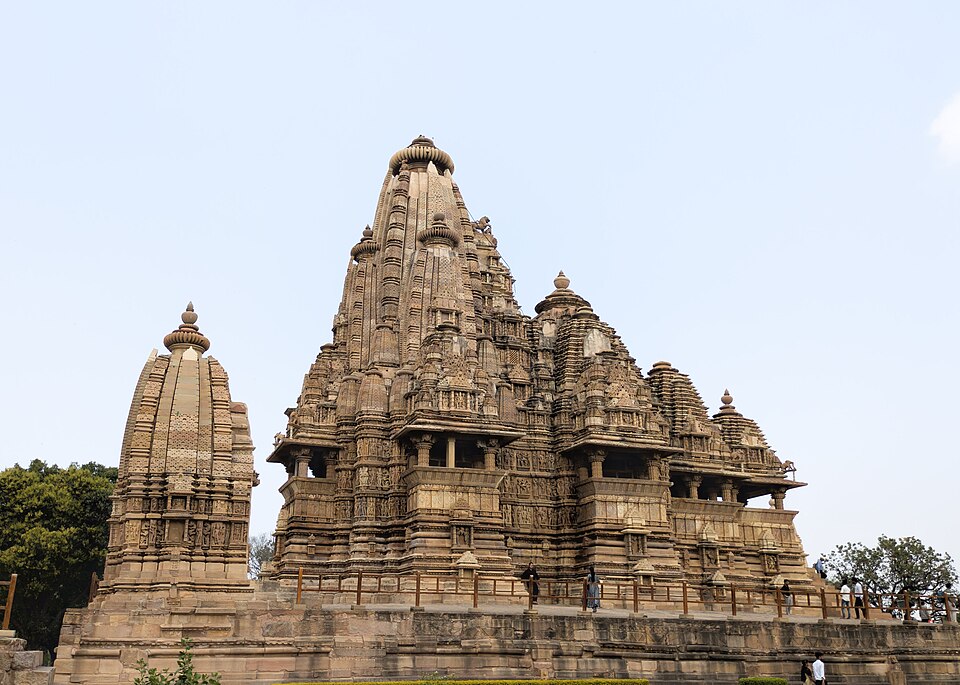
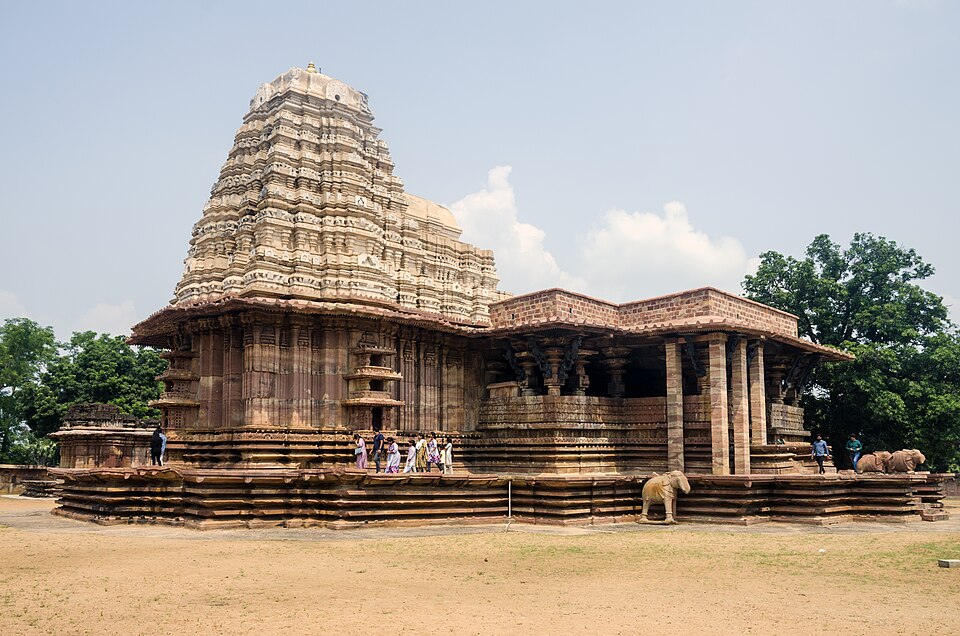
Start with the outline at platform level. Changes in direction create surfaces that meet light differently. A photograph taken squarely in front of one projection will not show the full effect of moving around the building.
Follow a band before naming figures
Look for a continuous horizontal sequence and trace how it turns a corner. Ask whether the figures repeat, vary or form a narrative. You can first describe the visual rhythm without attempting to name every story from memory.
Then select a scene for closer interpretation. A reliable guide can connect attributes and actions with a subject. If a name is uncertain, record the visible features and the proposed identification separately. This is more useful than collecting confident but contradictory labels.
Let the interior change your pace
Compare the busy exterior with the organisation of columns and space inside, where access permits. Notice how light falls on carved or finished surfaces. Brightening every shadow with a phone can erase part of the experience you are trying to remember.
Do not test a pillar or carving by touching, striking or pushing it. Claims about a stone’s finish or a sculptor’s skill can be investigated through responsible sources. Historic material does not need a physical demonstration for every visitor.
Build a small vocabulary from observation
Choose three terms to learn during the visit: perhaps platform, frieze and bracket figure. Connect each word to a specific example you saw. A few accurately understood terms are more valuable than a paragraph of impressive language detached from the building.
Keep enough time for one unhurried circuit. Returning to a feature from another angle can reveal how closely decoration and plan work together. What first seemed like an excess of ornament may begin to look like a carefully structured sequence of surfaces, stories and changes in light.
Sources & further reading
UNESCO World Heritage Centre — site history and significance
.jpg)