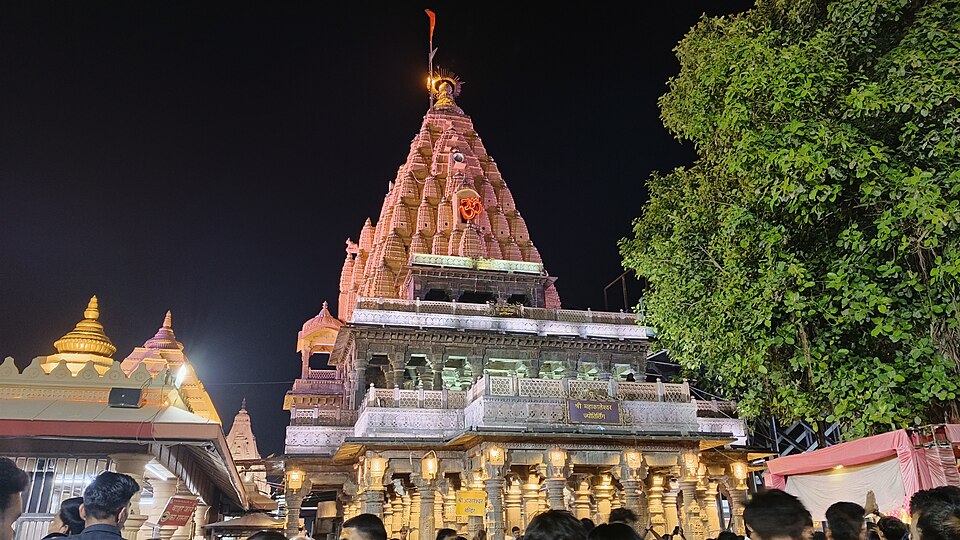
The Bhasma Aarti at Mahakaleshwar in Ujjain is widely associated with the ritual use of sacred ash in Shiva worship. Many visitors plan their journey around it. Understanding its meaning and checking its current arrangements are separate tasks, and both deserve attention before a visit.
Ash in the language of Shiva worship
Ash can bring the transience of embodied life into view. In devotional interpretation, status, possessions and outward appearance do not provide a permanent identity. The ritual gives that idea a visible form within worship of Mahakala, a name associated with time and Shiva.
This symbolism should not be turned into a promise that attending one ceremony will remove every fear. Different people respond to worship differently. A quiet visit can be meaningful without producing the dramatic transformation sometimes promised in promotional descriptions.
Avoid sensational accounts
Descriptions of the source and preparation of ritual ash circulate widely, and some repeat old or unverified stories as though they describe present practice. A visitor should rely on the temple’s current explanations for current procedures. Sacred symbolism is not a reason to repeat a striking claim without checking it.
The ceremony also belongs to a living temple, rather than a performance arranged primarily for tourists. Restrictions on movement, dress, photography and entry are part of how the temple manages worship and visitors. These details may change, so they should not be copied indefinitely from an old travel article.
Arrange the visit through official channels
Use the temple’s official information to confirm registration, identity requirements, reporting arrangements and the type of access available. Do not infer that a general darshan booking includes a particular aarti. If any instruction is unclear, contact the temple before paying an intermediary.
Plan the preceding evening sensibly. A very early visit can be harder for children, older relatives and anyone already tired from travel. Agree on how the group will reach the temple and where it will meet afterwards. Keep luggage and transport arrangements separate from assumptions about what may be carried inside.
During the ceremony
Follow staff directions, keep the phone away where required, and avoid pushing for a better view. A person standing behind you has also come for worship. If the view is limited, participation need not become a contest for the closest position.
Leave time afterwards to rest and to visit Ujjain at a comfortable pace. The city’s religious life is larger than a single ceremony. Reflecting on the meaning of time, impermanence and humility may be a more lasting part of the visit than collecting a hurried sequence of temple photographs.
Sources & further reading
shrimahakaleshwar.com — reference and further reading. Interpretive reflections and practical reading suggestions in this article are the website’s own explanatory material. Check current official arrangements before travelling.