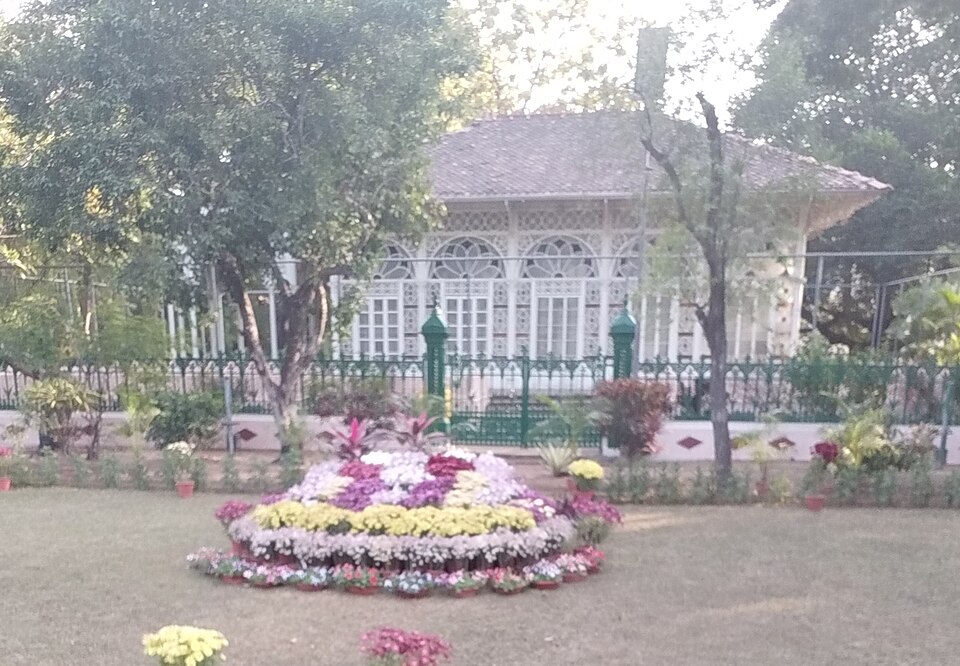
Santiniketan invites a different kind of heritage walk. Instead of following a defensive wall or circling a monumental shrine, the visitor considers the relationship between learning, art and everyday surroundings. Open space becomes part of the subject. So do the buildings and creative work that connect an educational experiment with a living institution.
Begin with Tagore’s educational setting
Santiniketan is closely associated with Rabindranath Tagore and the development of an educational and artistic community in Bengal. UNESCO’s account places its buildings and landscapes within a wider exchange of ideas. That history is richer than the idea of a picturesque campus created by one famous person alone.
Ask how a space was used for teaching, gathering or making art. The answer can help connect its appearance with a purpose, while leaving room for changes in use over time.
Look between buildings
A campus is experienced through routes, pauses and distances as much as through individual facades. Notice where a path widens, where trees shape a gathering place and how a building faces its surroundings. Such observations make educational architecture easier to discuss in concrete terms.
Avoid turning “learning in nature” into a vague claim that all lessons happened outdoors or that every present space preserves its original use. Historical educational ideas and current institutional arrangements need separate descriptions.
Give artworks their authors
When looking at a mural, sculpture or designed surface, seek its title and maker where these are recorded. A well-known institution can overshadow the individual artists who worked within it. Attribution brings their choices and careers back into the story.
Do not assume that an artwork is available for touching or close access because it stands outdoors. Follow the relevant campus and conservation guidance, and remember that students and staff may be using the surrounding area for ordinary work.
Visit a working place considerately
Check which areas are open to visitors and which require permission. A classroom, studio or residence should not be entered simply because it appears on a tourist route. Avoid interrupting a lesson for a photograph or treating a person at work as part of a display.
Afterwards, choose one spatial detail and one artwork to investigate further. That gives the visit a manageable continuation. Santiniketan can then become more than a name associated with Tagore: it becomes an invitation to think about what the surroundings of education encourage people to notice, make and share.
Sources & further reading
UNESCO World Heritage Centre — site history and significance