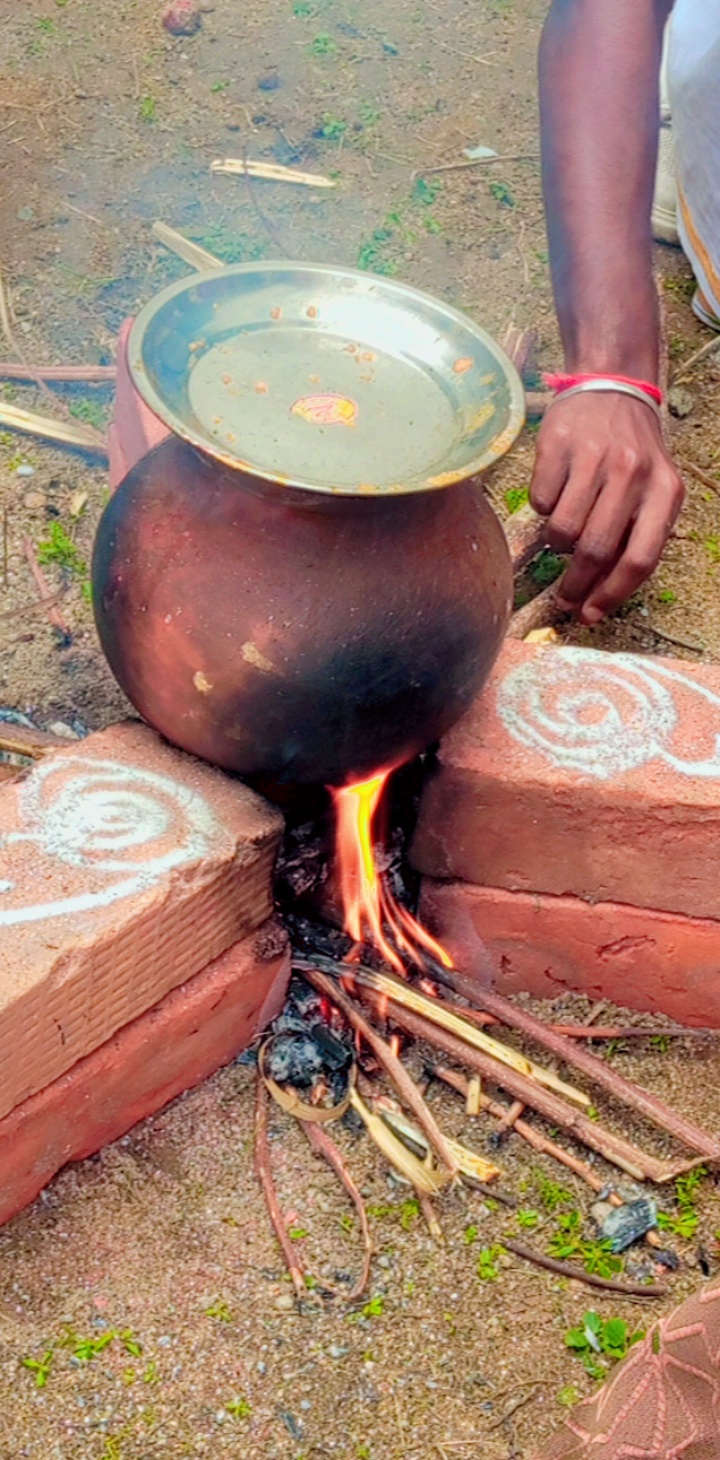
At the centre of many Pongal celebrations is a pot, a hearth and the expectation of the contents rising. The harvest festival is closely associated with Tamil communities and the beginning of the month of Thai. Following its household objects is a useful way to understand the celebration without reducing it to a list of dates.
Begin with the pot
Pongal names both the festival and a preparation associated with it. Rice and other ingredients connect the celebration with food and agricultural abundance. The moment of boiling over is welcomed in familiar observances, making an ordinary cooking process part of a shared festive event.
Recipes and arrangements vary. Ask a host which preparation is being made, who taught it and how the household marks the moment. Record the answer as that family's practice rather than presenting one recipe as the required form for every Tamil home.
Look from hearth to courtyard
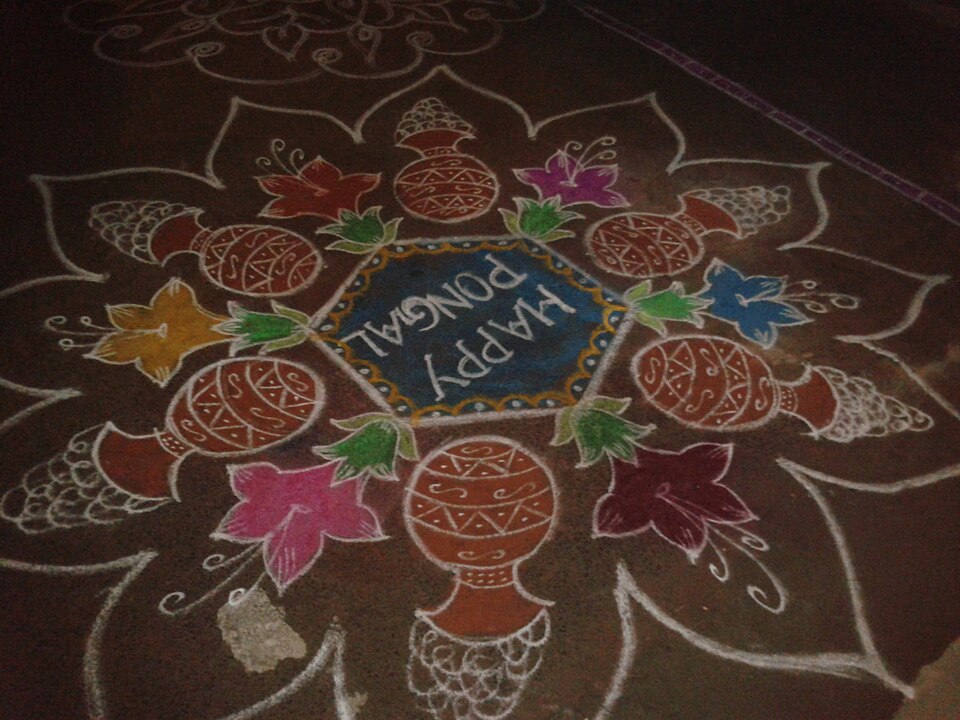
Kolam designs can make the entrance or courtyard part of the celebration. Their patterns deserve attention as work: a surface is prepared, lines are placed and a design is maintained in a space people use. A photograph of the finished pattern often leaves out the knowledge and time involved in making it.
If you are a visitor, avoid stepping over or rearranging a design to improve a photograph. Ask whether the maker would like to be credited. Learning the name of a pattern or the material used can make the picture's caption more informative than simply calling it colourful decoration.
A festival with several days
Bhogi, Thai Pongal, Mattu Pongal and Kaanum Pongal are familiar names in descriptions of the wider celebration. Their emphasis can differ by household and locality. Cattle, visiting relatives and shared food may receive attention at different points.
Keep current programmes separate from general cultural background. A description of a previous year's public celebration does not establish the next event's location or arrangements. When planning a visit, check the organiser's current information rather than relying on an undated festival summary.
Notice the labour behind abundance
Harvest language invites a practical question: who grew, transported, prepared and served the food? A thoughtful celebration can acknowledge those relationships without pretending every participant has the same connection to farming.
For a family record, document one recipe, one design and one person's explanation of the day. That creates a grounded account of how Pongal is lived in a particular home. The pot remains central, but the people around it give the festival its texture.




