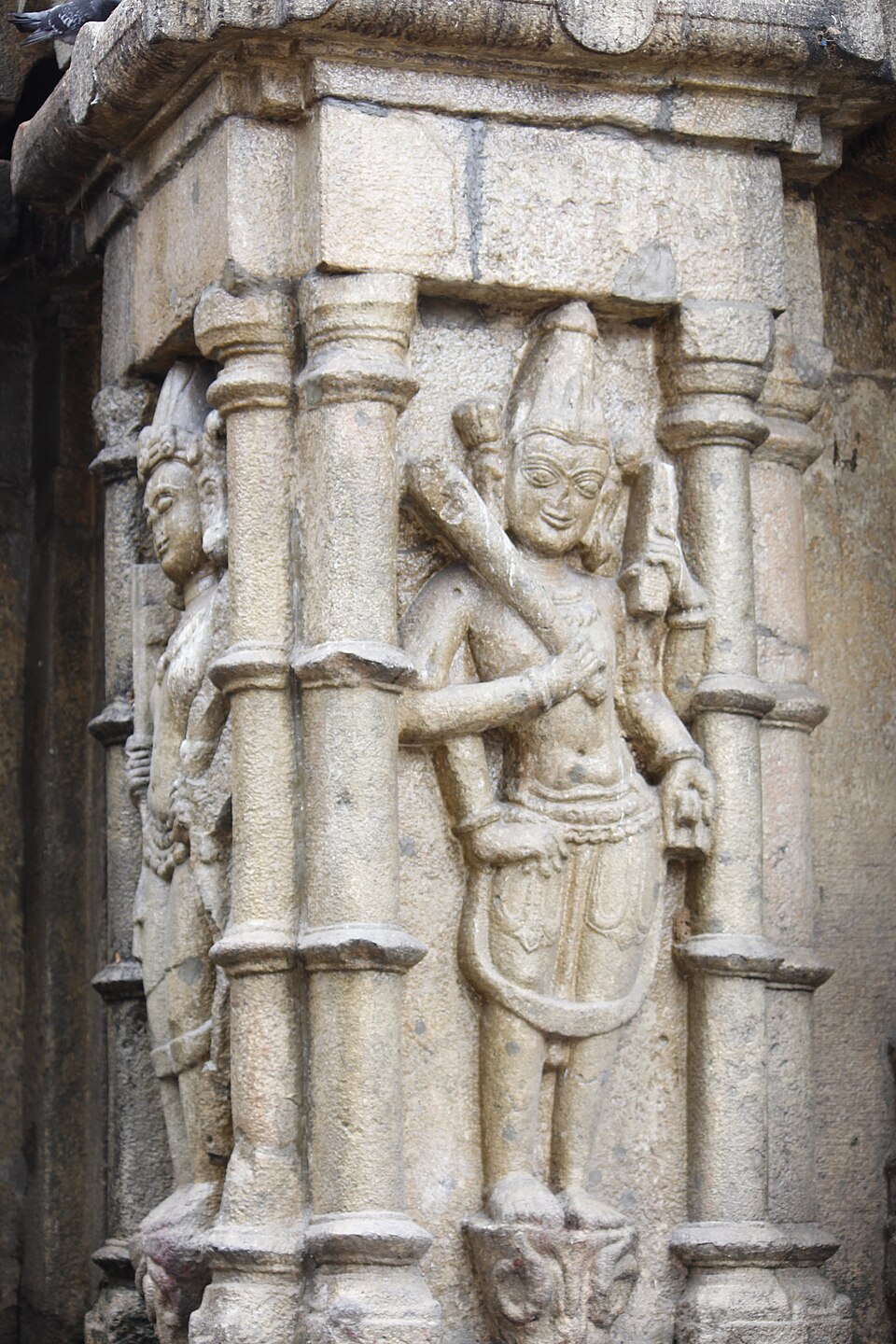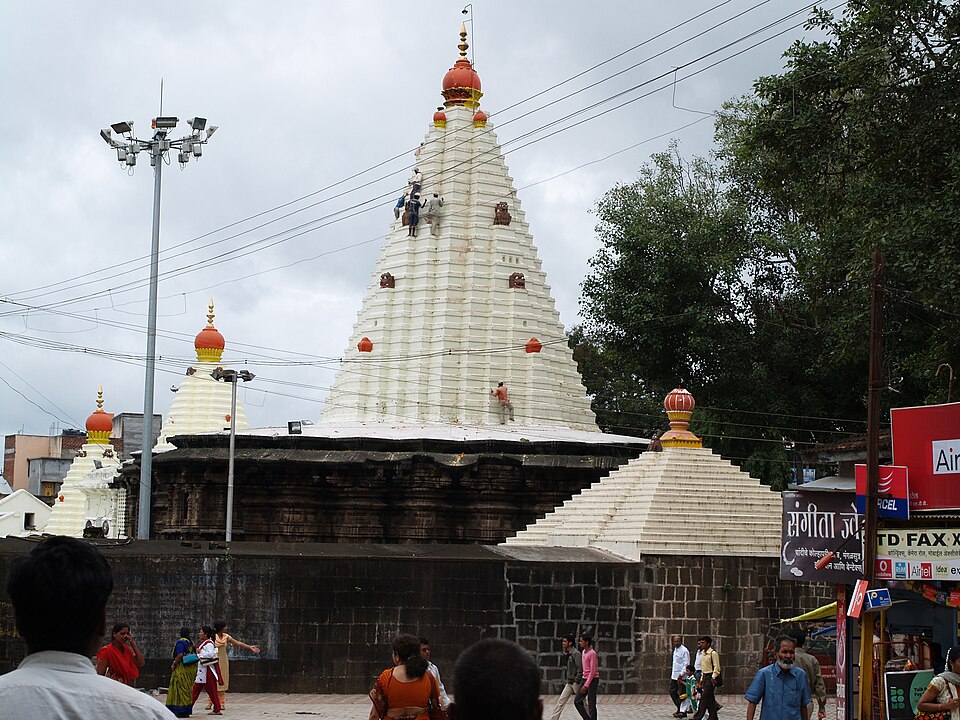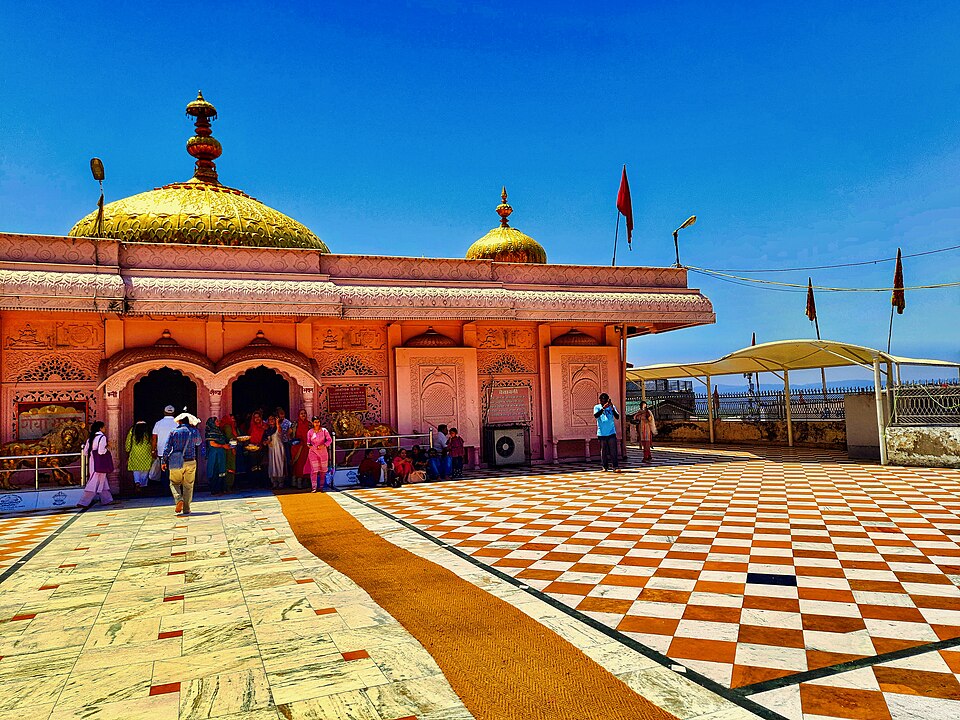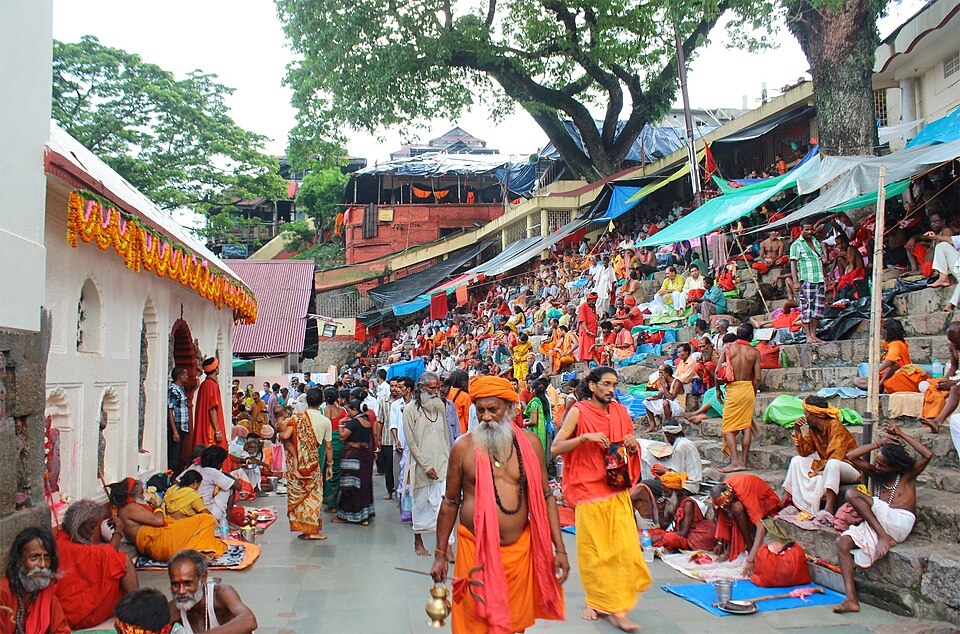
Kamakhya Temple, on Nilachal Hill in Guwahati, is a major centre of Goddess worship. Its reputation is closely connected with Shakta traditions and the annual Ambubachi observance. A useful introduction should make room for the temple’s distinctive sacred form, its local setting and the practical realities of visiting a heavily attended place.
The meaning of Ambubachi
The observance is associated with the Goddess’s menstruation and the generative power of the earth. These are religious meanings within the tradition. Describing them respectfully does not require inventing a medical or geological explanation, nor does it justify sensational language about secrecy and supernatural powers.
Accounts of the observance include a period of temple closure followed by reopening. The exact arrangements for a particular year should be checked through current temple and local authority information. A date copied from a previous year can mislead a visitor even when the broader description of the festival is correct.
Do not expect a generic shrine
Kamakhya is not best understood by pasting a description of a conventional statue into its sanctum. The form of worship is distinctive, and visitors should consult the temple’s explanation rather than assume that every Goddess shrine looks the same inside.
The Peetha association is commonly connected with Sati’s yoni. It belongs to a sacred narrative and should be identified as such. The symbolism concerns generative power and divine presence; reducing the temple to a provocative detail strips away much of its religious context.
Visiting during a major gathering
Allow for slow movement, queues and changing access arrangements. Agree on a meeting point with companions and keep essential contact details available. Visitors who find large crowds difficult may prefer another time, while still learning about Ambubachi through reliable accounts.
Ask before photographing people, especially those engaged in religious practice. A person’s distinctive clothing does not make them an exhibit. Do not pay for a ritual or a supposed special access arrangement without understanding what is offered and who is authorised to provide it.
Read beyond the “mystery” headlines
Useful questions include how local people describe the Goddess, how the temple relates to surrounding shrines, and how the gathering changes everyday life in Guwahati. These questions treat the tradition as part of a living community.
If a source promises instant spiritual powers or claims that every visitor has the same experience, look for a more careful account. Kamakhya’s significance can be described through worship, place and history without making unverifiable promises. Attentive reading gives the tradition more room than sensational language does.
Sources & further reading
www.incredibleindia.gov.in — reference and further reading. Interpretive reflections and practical reading suggestions in this article are the website’s own explanatory material. Check current official arrangements before travelling.