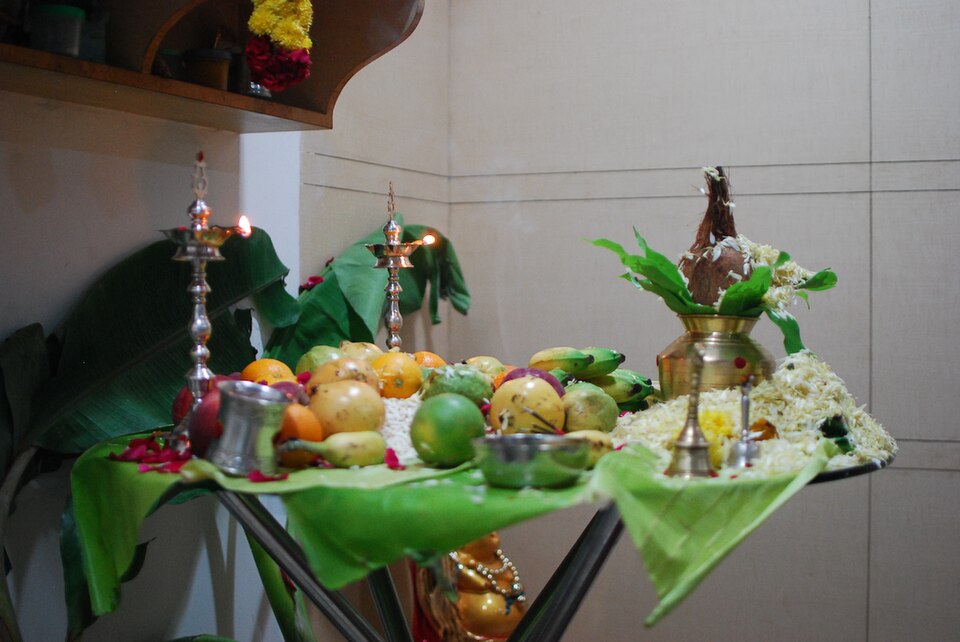
Ayudha Puja brings the objects of work into a space of gratitude. Tools, instruments and other implements are cleaned and honoured in several Navratri traditions. The observance offers a way to notice things that are usually valued only when they are needed or blamed when they fail.
What counts as a tool
A tool may be a craftsperson's implement, a musical instrument, a vehicle or an object used in study and work. The selection depends on the household, workplace and regional practice. The point is not that every participant must display the same collection.
Thinking about a tool also draws attention to the knowledge required to use it. A veena does not make music by itself, and a craft implement does not replace training. Respect for the object can include respect for the skill developed around it.
Cleaning as careful attention
Preparing an object for worship can reveal what needs ordinary maintenance: a loose part, a worn strap or a missing protective cover. Attend to such matters using the maker's guidance and appropriate professional help where needed.
Keep water, powders, flowers and flame away from equipment that could be damaged by them. A symbolic offering placed nearby may suit the setting better than applying materials directly. The form of an observance should not make the object unsafe or unusable afterwards.
Remember the people behind the work
The day can also prompt acknowledgement of teachers, technicians, cleaners and colleagues whose contributions are easy to overlook. A workplace's success depends on more than the person who receives public credit.
A simple thank-you, a properly maintained shared tool or a fair division of cleanup duties gives practical expression to that recognition. These are suggestions for contemporary reflection, not claims that every tradition prescribes the same workplace activity.
Return to work thoughtfully
In Kerala's Navratri context, the worship of tools and instruments appears alongside Saraswati worship and the beginning of learning. The following return to practice can carry renewed attention rather than merely ending a pause.
Choose one useful change: label a shared item, repair a storage space or set aside regular practice time. The ritual's significance becomes easier to see when gratitude affects how an object and its users are treated on an ordinary day.



