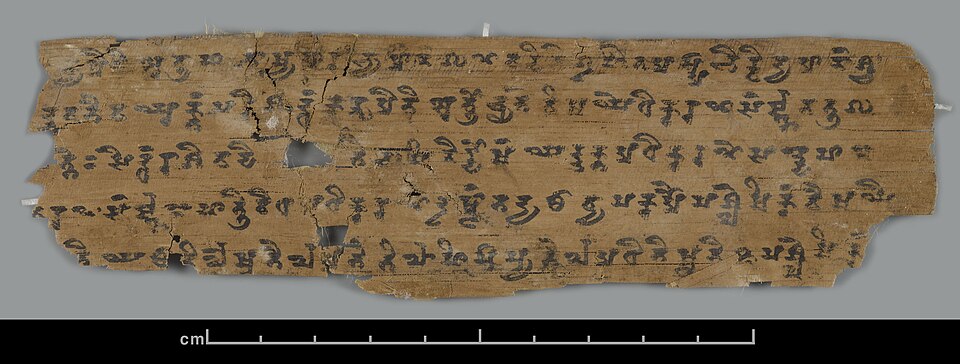
The Gayatri mantra is among the best-known Vedic verses. Its familiar core is associated with Rigveda 3.62.10 and an invocation of Savitr. A beginner’s introduction should begin with meaning and context, rather than promises that a particular hour or number of repetitions guarantees a result.
A prayer concerning understanding
Translations differ in how they express the invocation and its request concerning the intellect. Read a version that names its translator. A short English paraphrase can be useful, but it should not be presented as the only exact meaning of every Sanskrit word.
The name Gayatri also refers to a metre. In everyday usage, it often identifies this particular mantra. Knowing that distinction helps explain why the term may appear differently in discussions of poetry, ritual and devotion.
The surrounding words matter
Recited forms may include introductory sacred syllables and other elements according to tradition. Do not assume that a printed version with fewer or more words is necessarily an accidental mistake. First ask what ritual or teaching context it belongs to.
Instruction can also differ concerning eligibility and practice. A general website should describe these differences respectfully rather than pretending to settle every lineage’s rules. A trusted teacher can explain the custom a learner wishes to follow.
What about brahmamuhurta?
Early morning is valued in several traditions as a period for study or practice. That does not establish a universal clock time independent of sunrise or prove that the mantra is ineffective at another hour. Avoid turning a meaningful preference into a source of anxiety.
Regularity may be more useful for a beginner than chasing an elaborate schedule. Understanding the words, learning comfortable pronunciation and setting aside attentive time are practical starting points. This is not an instruction in advanced breathing techniques.
Recitation without exaggerated claims
Do not strain the voice or hold the breath to imitate a dramatic recording. A quiet, manageable practice can be approached with respect. Claims that the mantra cures a disease, changes a measurable cosmic frequency or guarantees academic success require evidence and should not be treated as established fact.
Keep a note of the source you use and the questions you want to ask. Returning to the meaning after learning the sound can deepen the experience. A familiar mantra remains worthy of study even when it is described in plain language rather than surrounded by promises.
Sources & further reading
www.wisdomlib.org — reference and further reading. Interpretive reflections and practical reading suggestions in this article are the website’s own explanatory material. Check current official arrangements before travelling.