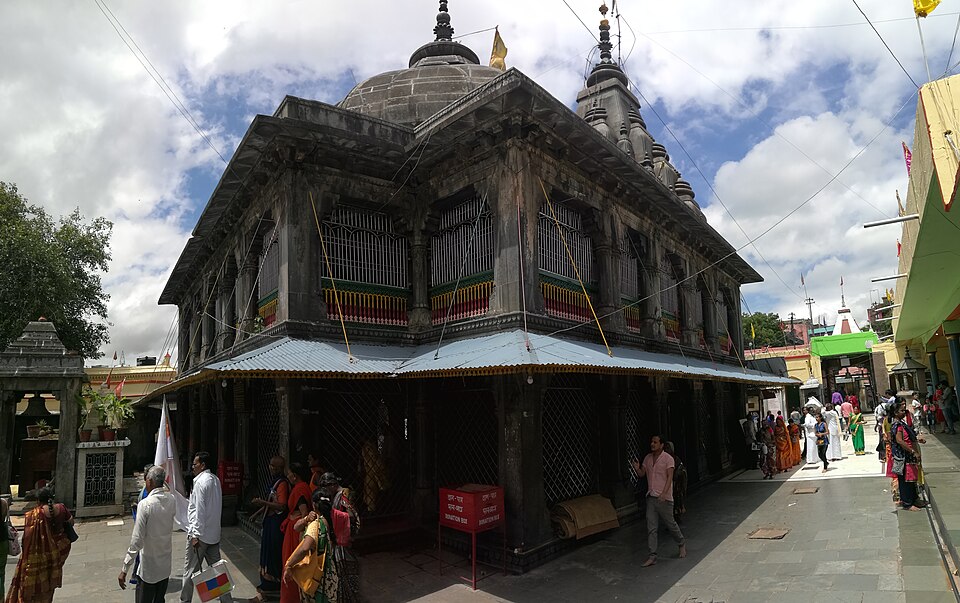
Gaya is an important destination for ancestral rites, especially during Pitru Paksha. The town's significance is connected with several sacred places rather than one interchangeable riverside stop. A little preparation helps visitors understand the pilgrimage and keep the experience manageable for the family.
Know the names of the places
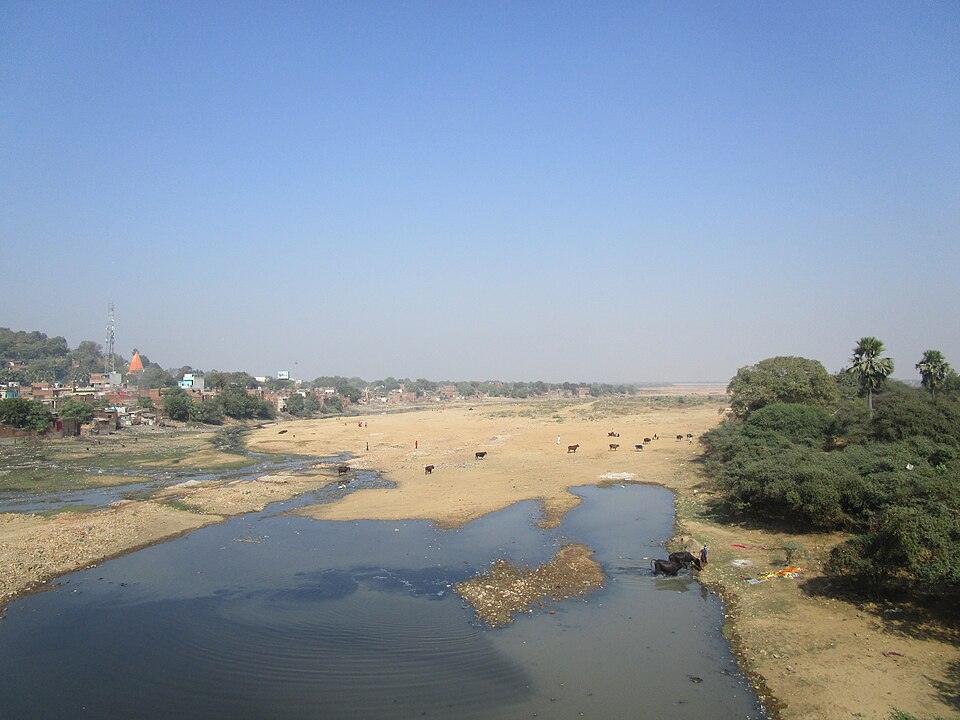
Bihar Tourism identifies the Falgu, Vishnupad Temple and other ritual locations in its accounts of ancestral observance. Ramshila, Pretshila and Akshayavat also appear in discussions of the pilgrimage. They should not be treated as different names for the same site.
Before setting out, ask which places are included in your arrangement. A written list is useful when relatives have heard different versions of what a Gaya visit involves. It also helps distinguish a short visit from a longer programme of rites.
Understand what has been arranged
Confirm the meeting point, the guide or priest's name, the expected sequence and the total agreed charges. Ask what is included in the price and what, if anything, is optional. A clear conversation beforehand can prevent an emotionally important day from becoming stressful.
Do not feel obliged to accept an unexplained additional service merely because it is presented urgently. Take time to understand the proposal and discuss it with the family member coordinating the visit.
Make room for ordinary needs
Temple visits and ritual stops can involve waiting, walking and standing. Plan rest breaks and a realistic return journey. Keep the contact information of the accommodation and the group coordinator available to everyone, including someone whose phone may run out of charge.
Treat photographs sensitively. A person performing a rite may be grieving or seeking privacy. Ask before photographing another family, and follow the rules of each sacred place rather than assuming that a public street permits photography inside a temple.
Gaya and Bodh Gaya are distinct destinations
A travel package may include both, but their principal religious associations and places of worship are different. If visiting Bodh Gaya as well, allow it its own time and context. Combining locations on one route does not make their traditions identical.
Check current local arrangements before travelling during the mela. This guide explains the setting and the questions to ask; a previous year's transport or festival notice should not be used as the current schedule.




