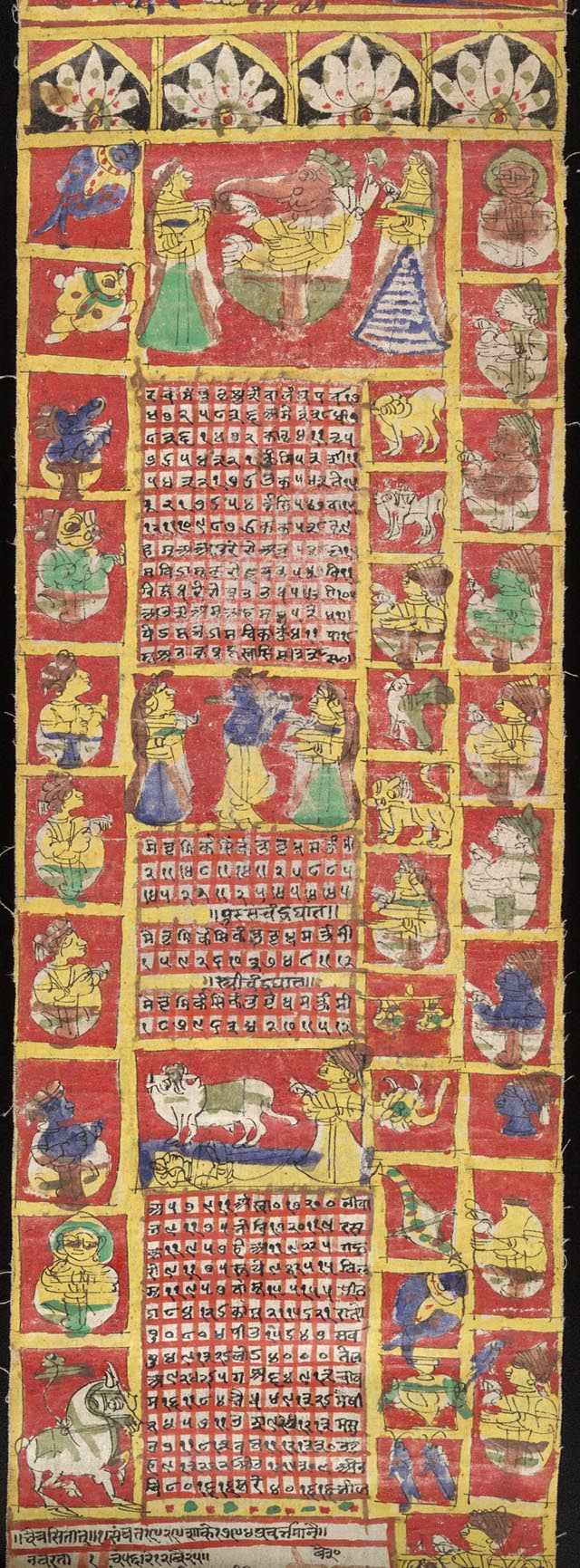
A family may remember a death on its calendar anniversary and also observe shraddha on a lunar tithi. These dates do not necessarily fall on the same civil day each year. The difference is not a mistake: the two calendars measure time in different ways.
What a tithi means
A tithi is a lunar day defined by the changing angular relationship between the Moon and the Sun. It is not simply a fixed twenty-four-hour block beginning at midnight. A tithi can begin or end during a civil day, which is one reason ritual calendars need more than a date copied from last year.
For the family, the practical question is not to perform astronomical calculations independently. It is to identify the relevant tithi accurately and use a panchang and guidance appropriate to the location and tradition.
Start with the information the family has
Older notebooks, a previous year's observance record or information kept by a family priest may be more useful than a general internet search. Record the person's name, the remembered lunar details and the civil date separately. If relatives remember different dates, preserve both accounts until they can be checked.
Avoid silently converting an uncertain family memory into a confident published claim. It is perfectly reasonable to say that a detail is being verified. This is particularly important when a family is reconstructing records after many years.
The fortnight and its concluding day
Pitru Paksha provides a broader period of remembrance, and the concluding new-moon observance is important in many traditions. What a household should do when the precise tithi is unknown is a question for its own practice; a short article should not turn one customary answer into a universal instruction.
Regional month names can also differ between calendars. When two sources appear to disagree, compare the actual lunar phase and convention before concluding that one is wrong.
Keep a record for next year
After the observance, note which panchang or adviser was consulted and the location for which the timing was determined. Add practical details that helped the family, such as the items actually needed and the names of relatives who hold further information.
This small record reduces confusion without turning remembrance into paperwork. The aim is to spend less time untangling dates and more time understanding the people and relationships the day honours.



