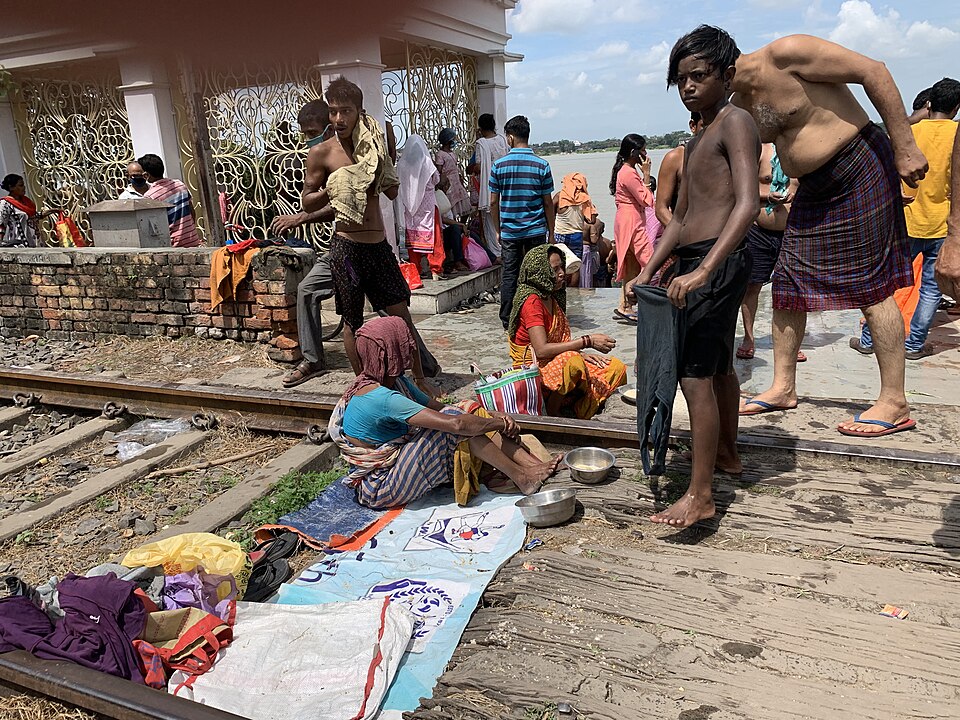
Shraddha, tarpana and pinda daan are often mentioned together during Pitru Paksha. They are connected, but they are not three interchangeable names for exactly the same action. Understanding the vocabulary helps a family ask clearer questions when preparing a remembrance or arranging a pilgrimage.
Shraddha: the wider observance
Shraddha commonly names the ancestral rite or observance carried out with faith and attention. Depending on the tradition, it may include several actions rather than a single offering. A discussion about 'doing shraddha' therefore needs context: for whom, on which occasion and according to which family practice?
An introductory explanation cannot replace the instructions of the particular tradition being followed. It can, however, prevent confusion when a short online list presents one household's sequence as a rule for everyone.
Tarpana: an offering with water
Tarpana refers to an offering intended to honour or satisfy its recipients. In ancestral observances, water is central; particular traditions also specify other materials and recitations. Bihar Tourism's account of Gaya describes water with sesame and kusa in its discussion of the practice.
The important distinction is between recognising the action and attempting to reproduce a complete ritual from a photograph. The direction of the hands, the words spoken and the named recipients need context. If learning within a family, ask for those meanings as well as the physical sequence.
Pinda daan: a different offering
Pinda daan involves the offering of pindas, often described as prepared balls of food, within ancestral rites. Gaya is especially associated with this practice. The materials and sequence should be confirmed with the person guiding the rite rather than inferred from a generic shopping list.
The word daan can also appear in other contexts of giving. A charitable donation and a particular pinda offering may both belong to a day's observance, but one term does not automatically explain the other.
Questions that make arrangements clearer
Before agreeing to a service, ask which rites are included, what the family should bring, how long the arrangement is expected to take and what charges apply. Write down the names of the places to be visited. This is especially helpful when several relatives are coordinating the journey.
Explaining the vocabulary need not make the ceremony technical or distant. It allows participants to understand what they are doing and why, while leaving space for the devotion and family memory that give the observance its purpose.



