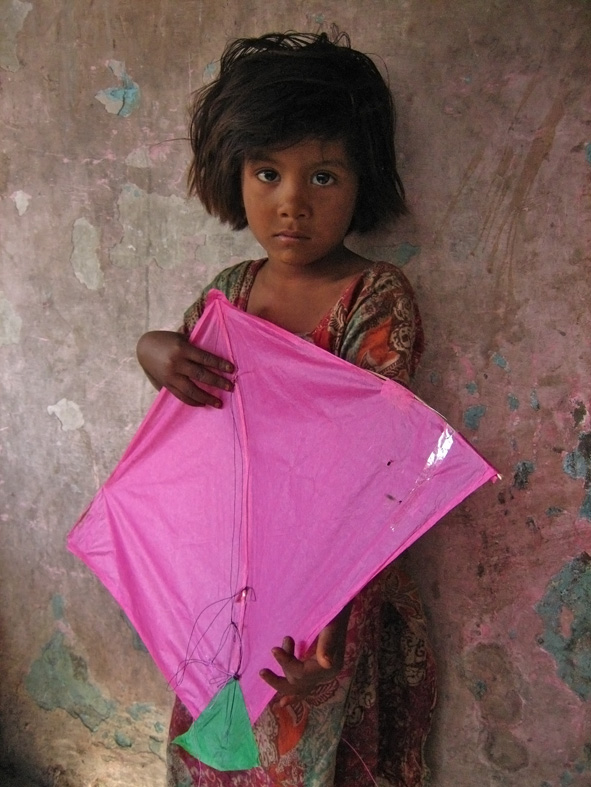
Makar Sankranti is associated with the Sun's entry into Makara in the traditional zodiac. Across different regions, the season is marked through food, giving, bathing, harvest customs and kite flying. The shared seasonal reference does not make every local celebration identical.
A solar reference in a varied calendar
Many familiar Hindu festivals follow lunar dates, while Sankranti names a solar transition. This helps explain why its Gregorian timing is relatively stable, though a current calendar should still be checked. Popular language often links Makar Sankranti with Uttarayan; the traditional calendrical observance should not be confused with claiming that the astronomical winter solstice occurs in mid-January.
When writing a festival date, name the year and place. A general cultural page and a current programme serve different purposes. Keeping them separate avoids making last year's schedule look like a fresh announcement.
Follow one regional practice closely
In Gujarat, kite flying is a highly visible part of Uttarayan. Makers, sellers and flyers contribute different skills. A kite is not only a bright shape in the sky: its frame, paper and balance reflect decisions that can be explored with someone who makes or repairs it.
Ask before photographing a workshop or handling unfinished work. A caption that identifies the maker and material is more informative than calling every kite a traditional masterpiece. The official international festival is also a particular organised event, distinct from all household celebrations across the state.
Food carries its own local meanings
Sesame, jaggery and seasonal preparations appear in several regional observances, but names, recipes and sayings differ. Record the term used by the people sharing the food rather than replacing it with the name most familiar from your own region.
A comparison between two households can be illuminating if it preserves the differences. Ask what is exchanged, who receives it and what greeting accompanies it. Those details reveal how a seasonal occasion becomes a relationship between people.
Enjoy the sky with care
Use appropriate permitted kite string and follow local guidance. Keep clear of roads, power lines and unsafe roof edges, and consider birds and other people sharing the space. Public-event information should be checked with the organiser before travelling.
An account that combines the calendar, a maker's work and a household custom gives readers more than a sky full of colour. It shows how a common seasonal turning can be expressed in several distinct local ways.



